
Samsung mobile could see loss in a bleak smartphone market
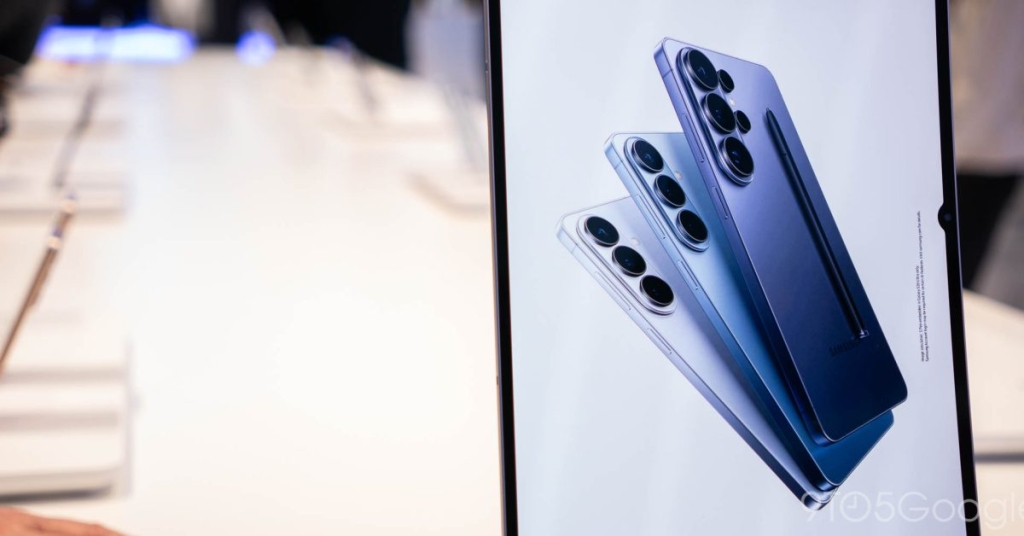
Samsung’s Mobile Division Faces Historic First-Ever Operating Loss as Smartphone Market Crisis Deepens
In a stunning revelation that has sent shockwaves through the tech industry, Samsung’s mobile division is reportedly on the brink of posting its first-ever operating loss, marking a historic turning point for the world’s largest smartphone manufacturer. This unprecedented development comes as the global smartphone market faces what experts are calling its most severe crisis in decades, with cascading effects that could reshape the entire mobile landscape.
The Korean tech giant, which has long dominated the smartphone market with its Galaxy series, is now implementing drastic cost-cutting measures that underscore the severity of the situation. According to reports from Korean publication HankYung, Samsung has begun restricting executive travel to economy class, eliminating the previously standard business-class flights for company leadership. This seemingly minor change represents a significant cultural shift within the organization and signals that the company is preparing for a prolonged period of financial pressure.
The potential operating loss would be particularly shocking given Samsung’s historical performance. The company’s mobile division (Samsung MX) has consistently generated profits year after year, even during challenging economic periods. This consistent profitability has been a cornerstone of Samsung’s business model, funding research and development for future innovations and supporting the company’s broader ecosystem of products and services.
The crisis facing Samsung is not occurring in isolation but is part of a much larger industry-wide catastrophe. The global smartphone market is experiencing unprecedented challenges, including severe memory chip shortages, skyrocketing component prices, and collapsing consumer demand. Industry analysts are now predicting market contractions that could exceed those seen during the COVID-19 pandemic, when supply chain disruptions initially created similar chaos.
The memory shortage crisis has been particularly devastating for manufacturers. The prices of DRAM and NAND flash memory have surged dramatically, with some components seeing price increases of over 200% in the past year alone. For a company like Samsung, which produces both smartphones and memory chips, this creates a unique dilemma: while the company benefits from higher memory prices in its semiconductor division, it suffers from increased costs in its mobile division.
Adding to the complexity is the fact that Samsung’s flagship Galaxy S26 series, which was expected to be a potential savior for the company’s mobile division, is reportedly performing better than initially feared. However, even strong sales performance may not be sufficient to offset the dramatic increases in component costs and the overall market contraction. This suggests that the challenges facing Samsung are structural rather than simply cyclical.
The potential operating loss raises serious questions about Samsung’s strategic positioning in an increasingly competitive market. While the company has maintained its position as the world’s largest smartphone manufacturer by volume for years, it has consistently trailed Apple in terms of profitability and premium market share. The current crisis could force Samsung to reevaluate its business model and potentially make dramatic changes to its product strategy, pricing, or even its presence in certain markets.
Industry observers note that this crisis could accelerate existing trends in the smartphone market. The premium segment, where Apple dominates, may actually prove more resilient than the mid-range and budget segments where Samsung has traditionally been strongest. This could lead to a further polarization of the market, with high-end devices maintaining profitability while mid-range offerings become increasingly difficult to sustain.
The implications extend beyond Samsung itself. As the largest Android manufacturer, Samsung’s struggles could have ripple effects throughout the Android ecosystem. Other manufacturers may face similar pressures, potentially leading to market consolidation or the exit of weaker players. This could ultimately benefit remaining companies by reducing competition, but the transition period is likely to be painful for the entire industry.
Samsung’s response to this crisis will be closely watched by investors, competitors, and consumers alike. The company has historically demonstrated remarkable resilience and adaptability, having successfully navigated previous industry challenges. However, the current situation appears to be of a different magnitude, potentially requiring more fundamental changes to Samsung’s mobile strategy.
The company’s cost-cutting measures, while necessary, may also have unintended consequences. Restricting executive travel could impact Samsung’s ability to maintain crucial business relationships and explore new opportunities. More broadly, a period of financial constraint could slow Samsung’s innovation cycle, potentially allowing competitors to gain ground in emerging technologies and features.
Looking ahead, the smartphone industry appears to be entering a period of significant transformation. The current crisis may accelerate trends toward more sustainable business models, increased focus on services and software, and potentially even new form factors or use cases for mobile devices. Samsung’s response to this challenge could determine not just its own future, but also the shape of the entire mobile industry in the coming years.
As the situation continues to develop, one thing is clear: the smartphone market that emerges from this crisis will likely look very different from the one that entered it. For Samsung, a company that has defined the modern smartphone era, this represents both an existential threat and an opportunity to reinvent itself for the next phase of mobile technology.
#Samsung #GalaxyS26 #SmartphoneCrisis #TechIndustry #MobileMarket #OperatingLoss #SamsungMX #MemoryShortage #TechNews #MarketContraction #AndroidEcosystem #InnovationCrisis #BusinessStrategy #TechTrends #MarketTransformation
viral tags and phrases:
– “Samsung’s darkest hour”
– “Smartphone apocalypse now”
– “The end of an era for Samsung”
– “Mobile market meltdown”
– “Tech giant in crisis”
– “Industry-wide catastrophe”
– “Memory shortage madness”
– “Premium vs budget battleground”
– “Android ecosystem under threat”
– “Innovation on life support”
– “Cost-cutting chaos”
– “Executive travel restrictions”
– “Business-class to economy”
– “First-ever operating loss”
– “Market consolidation coming”
– “Samsung’s survival strategy”
– “The new mobile reality”
– “Tech industry transformation”
– “Competitive landscape shift”
– “Future of smartphones uncertain”
– “Samsung’s reinvention moment”
– “Mobile market reset”
– “Component cost crisis”
– “Consumer demand collapse”
– “Supply chain meltdown”
– “Tech bubble bursting”
– “Market polarization accelerates”
– “Samsung’s strategic dilemma”
– “Industry adaptation or extinction”
– “The great smartphone contraction”,

Leave a Reply
Want to join the discussion?Feel free to contribute!