
iPhone 17e vs. Google Pixel 10a: Two affordable flagships, one tough decision
Here’s the rewritten news article with a detailed, tech-focused, and viral tone, followed by a list of tags and viral phrases at the end:
iPhone 17e vs. Google Pixel 10a: The Ultimate Mid-Range Showdown of 2026
In the ever-evolving world of smartphones, the mid-range segment has become a battleground for tech giants looking to capture the hearts (and wallets) of budget-conscious consumers. This year, Apple and Google have thrown their hats into the ring with the iPhone 17e and Pixel 10a, respectively. Both devices promise to deliver a premium experience without the flagship price tag, but which one truly stands out? Let’s dive into the details and find out.
Pricing, Colors, and Availability
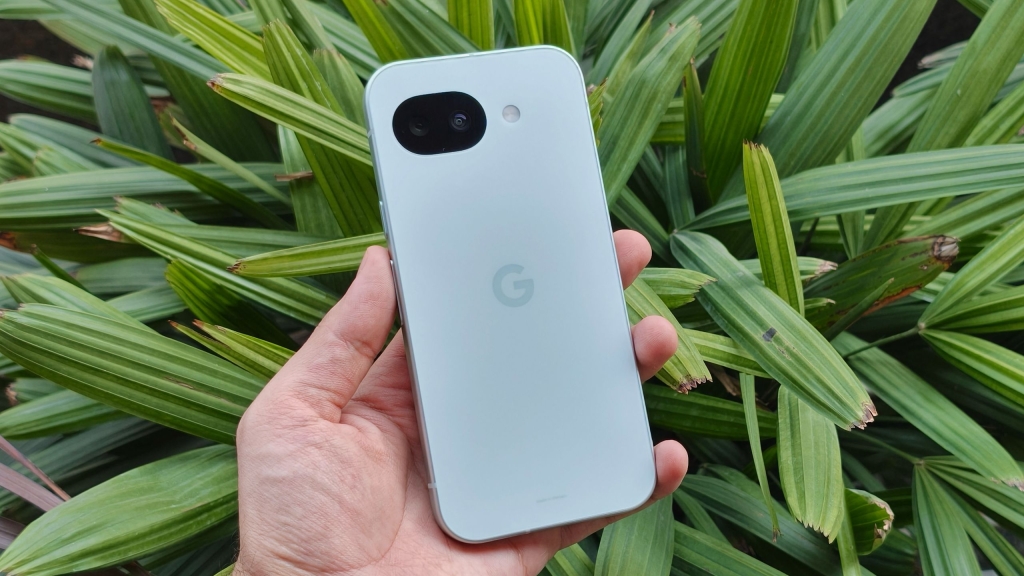
The Google Pixel 10a officially launched on February 18, 2026, with a starting price of $499. It comes in four vibrant colors: Obsidian (black), Fog (a pale green), Berry (a vibrant red-pink), and Lavender (blue-purple). However, the base model starts with 128GB of storage, and if you want the 256GB version, you’ll need to shell out $599.
On the other hand, Apple introduced the iPhone 17e on March 2, 2026, alongside its MacBook Neo. The iPhone 17e starts at $599, but it comes with a generous 256GB of base storage. Apple also offers a 512GB variant for $799, priced at $799. The iPhone 17e is available in three colors: Soft Pink, White, and Black.
Design and Display: A Tale of Two Approaches
Google has opted for a familiar design with the Pixel 10a, continuing the same aesthetic introduced with the Pixel 9a. The phone features a flat back, a small dual-camera island in the top left corner, flat edges, and rounded corners. The back panel is made of plastic, while the frame is aluminum. One notable improvement is that the Pixel 10a is now 0.1mm thicker than its predecessor, making it sit completely flush on a table—a feature rarely seen in modern smartphones.
The iPhone 17e, however, sticks to Apple’s classic design language. It features a notch on the front, a glass back, and an aluminum frame. While the materials feel more premium than the Pixel 10a, the iPhone 17e is lighter at 169g compared to the Pixel 10a’s 183g. Both devices offer IP68 dust and water resistance, but the iPhone 17e uses Apple’s Ceramic Shield 2 for added durability, while the Pixel 10a relies on Corning Gorilla Glass 7i.
When it comes to displays, the Pixel 10a boasts a 6.3-inch pOLED panel with a resolution of 1080 x 2424 pixels and a smooth 120Hz refresh rate. It can reach brightness levels of up to 2000 nits in high brightness mode. The iPhone 17e, on the other hand, features a smaller 6.1-inch Super Retina XDR OLED display with a resolution of 1170 x 2532 pixels. However, it’s limited to a 60Hz refresh rate, which feels dated in 2026. Its peak brightness is also lower at around 1200 nits.
Performance: A19 vs. Tensor G4
Apple has traditionally held the edge over Android phones when it comes to raw performance, and the iPhone 17e is no exception. It’s powered by the same A19 chipset found in the base iPhone 17, built on a 3nm process. This chip delivers impressive performance for a mid-range device and easily handles demanding tasks.
The Pixel 10a, however, runs on the Tensor G4 processor, the same chip used in last year’s Pixel 9a. While it’s not the most powerful chip available, Google has optimized it well for everyday use. The Pixel 10a also comes with some Pixel 10 features, including Magic Cue and support for the Pixel Screenshots app.
Both phones ship with 8GB of RAM, but storage options differ. The Pixel 10a starts at 128GB, while the iPhone 17e begins with 256GB on the base model. Apple also offers higher storage tiers, whereas the Pixel 10a does not have a 512GB option.
Battery Life and Charging
The Pixel 10a carries the same 5,100mAh battery as last year’s Pixel 9a, but Google has increased the wired charging speed to 30W and bumped wireless charging up to 10W. However, it still doesn’t support Qi2, meaning you’ll need a third-party case if you want magnetic charging accessories.
The iPhone 17e uses a smaller 4,005mAh battery, but its more efficient A19 chipset and 60Hz display should help it deliver battery life that’s not drastically different from the Pixel 10a. The iPhone 17e also supports fast wired charging and has added Qi2-based MagSafe support, making it compatible with the full range of MagSafe chargers and accessories.
Cameras: A Clear Winner?
The cameras are where one of the biggest differences between the two phones is most apparent. The Pixel 10a has a hardware advantage over the iPhone 17e in this department. It features a dual-camera setup with a 48MP primary sensor and a 13MP ultra-wide lens. The iPhone 17e, on the other hand, comes with only a single 48MP rear camera. Neither phone includes a dedicated telephoto lens, but both can achieve 2x zoom by cropping into the main sensor.
Pixel phones are known for their natural-looking image processing, and the Pixel 10a continues that trend. The iPhone 17e, while capable, lacks the versatility of an ultra-wide camera. For video recording, the Pixel 10a does not support 4K at 60fps, offering only 4K at 30fps. The iPhone 17e, however, can record 4K video at 24, 25, 30, and 60fps.
Software: iOS vs. Android
The biggest difference between the two phones is still the software. The Pixel 10a runs Google’s latest Android 16, while the iPhone 17e runs iOS 26. Each platform offers its own design, features, and ecosystem advantages. The Pixel 10a comes with up to seven years of OS updates, while the iPhone 17e benefits from Apple’s long-term software support.
Which Should You Buy?
So, which smartphone should you buy, the iPhone 17e or the Pixel 10a? The Pixel 10a may not look very different from last year’s Pixel 9a, but that doesn’t make it a bad mid-range phone. At $500, it’s still one of the best mid-range smartphones you can buy. With faster wired charging, a completely flat design, a large battery, and up to seven years of OS updates, the Pixel 10a remains a great option for Android users who want timely software updates and Google’s clean Android experience.
The iPhone 17e, on the other hand, is purely for those who want the iPhone experience at a lower price. Sure, the notch in 2026 doesn’t look particularly modern, and the lack of a dual-camera setup may disappoint some people. But aside from that, it’s still a capable mid-range smartphone with strong performance, solid battery life, and long-term iOS updates.
In the end, the decision mostly comes down to which operating system you prefer. Both phones are expected to receive software updates for several years, so whichever one you choose should remain supported for a long time.
Tags: iPhone 17e, Google Pixel 10a, mid-range smartphones, A19 chip, Tensor G4, 120Hz display, 60Hz display, MagSafe, Qi2, dual-camera, single-camera, iOS 26, Android 16, battery life, charging speed, software updates, premium design, budget-friendly, tech showdown, 2026 smartphones.
Viral Phrases: “The ultimate mid-range showdown,” “Budget-friendly powerhouse,” “Is the notch dead in 2026?” “120Hz vs. 60Hz: Does it really matter?” “MagSafe vs. Qi2: The charging war,” “Pixel’s camera magic vs. iPhone’s simplicity,” “Seven years of updates: A game-changer,” “The flat design revolution,” “Performance that punches above its weight,” “Which one will dominate your pocket?”
,

Leave a Reply
Want to join the discussion?Feel free to contribute!