
Stryker attack wiped tens of thousands of devices, no malware needed
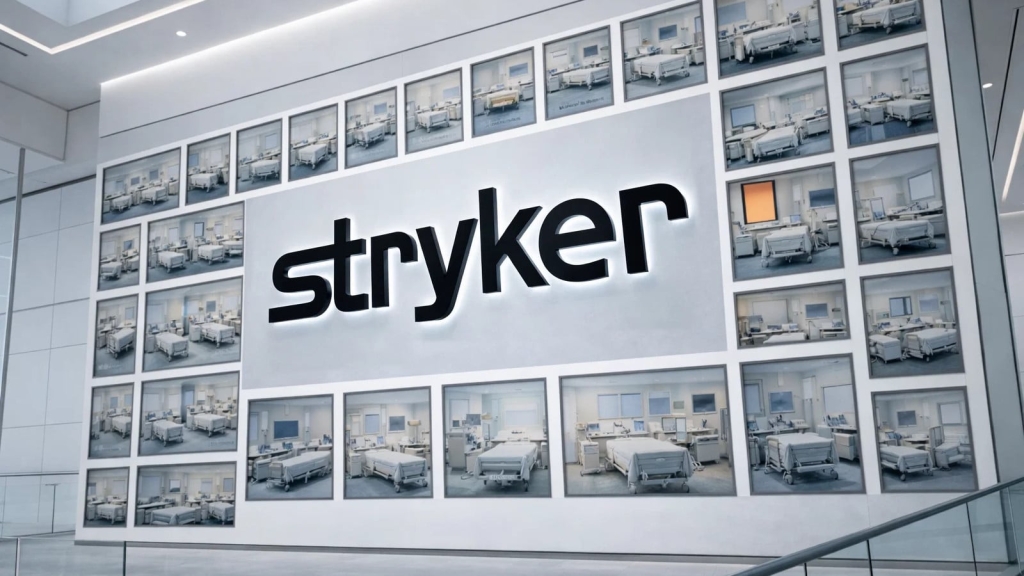
Stryker Cyberattack: Tens of Thousands of Devices Wiped in Sophisticated Breach
In a shocking turn of events that has sent ripples through the medical technology industry, Stryker—one of the world’s leading medical device manufacturers—has confirmed it suffered a devastating cyberattack that remotely wiped tens of thousands of employee devices without deploying any traditional malware.
The incident, which occurred on March 11th, has been described by cybersecurity experts as one of the most sophisticated and destructive attacks of its kind, utilizing legitimate administrative tools in a manner that left investigators stunned by its effectiveness and scope.
The Attack: A New Breed of Cyber Warfare
Unlike conventional ransomware attacks that encrypt data for extortion, this breach employed a far more insidious approach. The attackers gained access to Stryker’s Microsoft corporate environment and leveraged legitimate administrative privileges to execute a mass device wipe across the company’s infrastructure.
According to sources familiar with the investigation, the threat actor compromised an administrator account and subsequently created a new Global Administrator account, granting them unprecedented access to the company’s endpoint management systems. Using Microsoft’s Intune service—a legitimate cloud-based endpoint management platform—the attackers executed wipe commands on approximately 80,000 devices between 5:00 and 8:00 a.m. UTC on March 11th.
What makes this attack particularly alarming is that it required no malware installation, no exploitation of zero-day vulnerabilities, and left no traditional forensic footprint that security teams typically rely upon for detection and attribution.
The Scope and Scale of Destruction
The numbers involved in this attack are staggering. While the hacker group Handala claimed to have wiped “over 200,000 systems, servers, and mobile devices” and stolen 50 terabytes of data, Stryker’s internal investigation suggests the actual device wipe affected approximately 80,000 endpoints.
The attack’s timing was meticulously planned, occurring during early morning hours when many employees would be offline or just beginning their workday. This strategic timing maximized the impact while minimizing the window for immediate human intervention.
Perhaps most disturbingly, the breach extended beyond corporate devices. Some employees had personal devices enrolled in the company network for convenience or productivity purposes, and these too were wiped clean, resulting in the loss of personal data alongside corporate information.
No Ransom, No Malware: A New Paradigm
Stryker has been emphatic in clarifying that this was not a ransomware attack. The company stated unequivocally that no malware was deployed on its systems, and there is currently no evidence that any data was exfiltrated from the network.
This distinction is crucial because it represents a fundamental shift in cyberattack methodology. Traditional ransomware operations follow a predictable pattern: breach, encrypt, demand payment. This attack followed a different playbook entirely—one focused purely on destruction and disruption.
The absence of ransom demands or data exfiltration suggests motivations beyond financial gain. Whether this was an act of cyber vandalism, corporate sabotage, or something more politically motivated remains under investigation.
Medical Devices Remain Safe
In a critical piece of reassurance, Stryker has confirmed that all its medical devices—including connected, digital, and life-saving technologies—remain completely safe to use. The attack was contained exclusively within the company’s internal Microsoft corporate environment and did not extend to production systems, manufacturing facilities, or the medical devices themselves.
This containment is particularly significant given the critical nature of Stryker’s products. The company manufactures everything from surgical equipment to joint replacement systems, and any compromise of these devices could have had life-threatening consequences.
Operational Impact and Recovery Efforts
The cyberattack has forced Stryker to implement manual workarounds for its electronic ordering systems. Customers must now place orders through sales representatives rather than through automated channels, representing a significant operational regression for a company that relies heavily on digital infrastructure.
Stryker’s update indicates that restoration efforts are well underway, with the primary focus on resuming shipping and transactional services. The company has assured customers that any orders placed before the cyberattack will be honored as systems are restored, while orders placed during the disruption will be processed once normal operations resume.
The company is also working closely with its global manufacturing sites to address any potential operational impacts. While specific details about manufacturing disruptions remain limited, the interconnected nature of modern supply chains means that even a corporate IT breach can have downstream effects on physical production capabilities.
The Investigation: Microsoft and Palo Alto Join Forces
The investigation into this sophisticated attack involves some of the cybersecurity industry’s most respected names. Microsoft’s Detection and Response Team (DART) is leading the forensic analysis, working in collaboration with experts from Palo Alto Networks’ Unit 42.
This partnership brings together Microsoft’s intimate knowledge of its own systems with Palo Alto’s extensive experience in threat intelligence and incident response. The investigation is likely examining not just what happened, but how the attackers achieved initial access, maintained persistence, and executed their destructive payload with such precision.
Attribution: The Handala Connection
The attack was claimed by the Handala hacktivist group, which is believed to have links to Iran. This attribution, if accurate, would place the incident within a broader context of geopolitical cyber operations that have increasingly targeted critical infrastructure and major corporations.
Hacktivist groups operating with nation-state support have become increasingly sophisticated, often blurring the lines between criminal activity, political activism, and state-sponsored operations. The choice of Stryker as a target—a major American medical technology company—suggests possible political motivations, though the company has not confirmed any specific threat actor attribution.
The Broader Implications
This attack represents a concerning evolution in cyber warfare tactics. By utilizing legitimate administrative tools rather than traditional malware, the attackers achieved their objectives while potentially evading many conventional security detection mechanisms.
The incident raises serious questions about the security of administrative privileges within corporate environments. If attackers can compromise a single administrator account and leverage it to cause this level of destruction, it suggests that current privilege management and multi-factor authentication practices may be insufficient.
Furthermore, the attack demonstrates the devastating potential of “living off the land” techniques—where attackers use legitimate tools and features for malicious purposes. This approach is becoming increasingly common as organizations improve their defenses against traditional malware.
Looking Forward: Lessons and Precautions
For the cybersecurity community, the Stryker attack serves as a stark reminder of the need for robust administrative privilege management, comprehensive monitoring of administrative account activity, and the importance of maintaining offline backups that cannot be accessed or wiped through network-based attacks.
Organizations across all sectors should review their endpoint management configurations, implement stricter controls on administrative privileges, and consider the potential consequences of granting network access to personal devices.
The incident also highlights the critical importance of incident response planning that accounts for scenarios beyond ransomware—including destructive attacks that aim to cause chaos rather than extract payment.
As Stryker continues its recovery efforts and the investigation progresses, the cybersecurity world watches closely, knowing that this attack may represent a template for future operations targeting critical infrastructure and major corporations.
The Stryker cyberattack stands as a watershed moment in cybersecurity history—a demonstration of how far attackers have evolved in their tactics, techniques, and procedures, and a warning that the next generation of cyber threats may look nothing like those that came before.
Tags: Stryker cyberattack, medical technology breach, device wipe attack, Handala hackers, Iran-linked cyber attack, Microsoft Intune compromise, no malware attack, endpoint management security, corporate sabotage, living off the land tactics, administrative privilege compromise, medical device security, cyberattack recovery, Palo Alto Unit 42 investigation, Microsoft DART team, geopolitical hacking, destructive cyber operations, corporate IT security, privilege escalation attack, zero-day alternative tactics
Viral Phrases: “Tens of thousands of devices wiped without a single line of malware,” “The attack that required no malware,” “When legitimate tools become weapons,” “The new face of cyber destruction,” “Beyond ransomware: A paradigm shift in cyber attacks,” “How one compromised account brought a giant to its knees,” “The silent wipe that shocked the industry,” “When administrative privileges become weapons of mass destruction,” “The attack that left no forensic footprint,” “A new breed of cyber warfare emerges”
,

Leave a Reply
Want to join the discussion?Feel free to contribute!