
Scientists Identified a New Blood Group After 50-Year Mystery : ScienceAlert
Scientists Finally Crack a 50-Year Mystery: The Discovery of the MAL Blood Group System
In a stunning breakthrough that bridges decades of medical detective work, researchers from the UK and Israel have officially described a new blood group system in humans—dubbed the MAL blood group—ending a scientific mystery that began with a single blood sample taken in 1972.
The story begins with a pregnant woman whose blood sample, collected over 50 years ago, was found to be missing a surface molecule present in all other known red blood cells at the time. For decades, this anomaly remained unexplained, baffling hematologists and immunologists alike. Now, thanks to cutting-edge genetic analysis and relentless scientific inquiry, the mystery has finally been solved.
A Discovery Decades in the Making
The newly identified MAL blood group is named after the myelin and lymphocyte protein (MAL) that carries the missing antigen, known as AnWj. According to the research team, more than 99.9% of people possess this antigen, making its absence extraordinarily rare. The discovery was published in the prestigious journal Blood in 2024, marking a major milestone in transfusion medicine.
“This represents a huge achievement, and the culmination of a long team effort, to finally establish this new blood group system and be able to offer the best care to rare, but important, patients,” said Louise Tilley, a hematologist from the UK National Health Service, who has dedicated nearly two decades to unraveling this blood quirk.
The Science Behind the Discovery
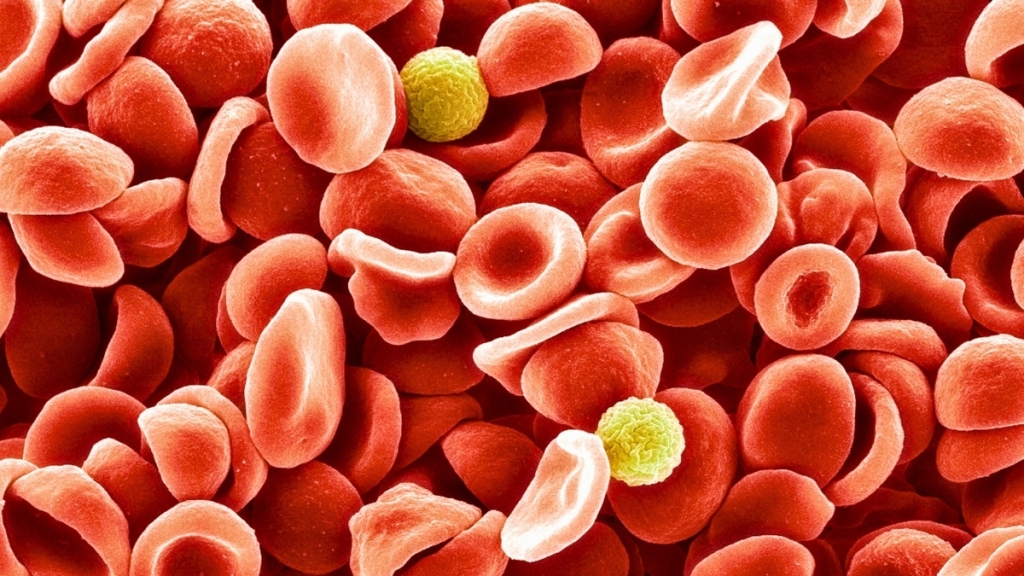
Blood types are determined by the presence or absence of specific antigens—molecules that act as biological “ID tags” on the surface of red blood cells. These antigens help the immune system distinguish between “self” and “non-self.” When a person receives a blood transfusion, their immune system can react violently if the donor’s blood contains unfamiliar antigens, sometimes with fatal consequences.
While most people are familiar with the ABO and Rh blood group systems, humans actually have many different blood group systems based on the wide variety of proteins and sugars that coat our blood cells. The MAL system is now the latest addition to this complex classification.
The research team found that when both copies of a person’s MAL gene are mutated, they end up with an AnWj-negative blood type—just like the 1972 patient. Interestingly, they also identified three AnWj-negative patients who did not have this mutation, suggesting that certain blood disorders can suppress the antigen.
The Challenges of Discovery
Identifying the MAL gene was no easy feat. “The work was difficult because the genetic cases are very rare,” explained Tilley. The MAL protein is a very small molecule with unique properties that made it challenging to study. Researchers had to pursue multiple investigative approaches to gather enough evidence to establish the new blood group system.
To confirm their findings, the team inserted the normal MAL gene into blood cells that were AnWj-negative. This effectively delivered the AnWj antigen to those cells, providing the final proof needed to validate the discovery.
Implications for Medicine and Patient Care
The MAL protein plays a vital role in maintaining cell membrane stability and aiding in cellular transport. Previous research has shown that the AnWj antigen is not present in newborns but appears soon after birth. All AnWj-negative patients in the study shared the same mutation, but no other cell abnormalities or diseases were linked to it.
With the genetic markers behind the MAL mutation now known, patients can be tested to determine if their negative MAL blood type is inherited or due to suppression—which could flag an underlying medical problem. This discovery has the potential to save lives, particularly for patients with rare blood types who require transfusions.
A Legacy of Scientific Persistence
The journey to discover the MAL blood group system is a testament to the power of scientific persistence. What began as a curious anomaly in a 1972 blood sample has now become a groundbreaking discovery that could transform transfusion medicine. As researchers continue to explore the complexities of the human blood system, this discovery serves as a reminder that even the smallest clues can lead to monumental breakthroughs.
Related: Scientists Identify New Blood Group, And It’s The World’s Rarest
Tags: blood group system, MAL blood group, AnWj antigen, rare blood type, transfusion medicine, genetic mutation, hematology, medical breakthrough, 1972 blood sample, Louise Tilley, Tim Satchwell, myelin and lymphocyte protein, cell membrane stability, cellular transport, inherited blood disorder, blood transfusion, immune system, antigen, red blood cells, scientific discovery, medical research, UK National Health Service, University of the West of England, Blood journal, rare medical condition, genetic testing, patient care, life-saving research, medical mystery, scientific persistence, groundbreaking discovery, transfusion reactions, fatal consequences, biological ID tags, self vs non-self, blood cell proteins, sugar coatings, biological markers, medical detective work, scientific inquiry, cutting-edge genetics, medical anomaly, blood quirk, medical classification, cellular biology, medical innovation, patient safety, medical history, scientific legacy, rare diseases, medical advancements, blood disorders, genetic markers, medical testing, underlying medical problems, scientific achievement, medical collaboration, international research, medical science, blood system complexity, scientific breakthrough, medical progress, patient outcomes, medical understanding, blood group classification, scientific exploration, medical knowledge, blood transfusion safety, medical diagnosis, genetic analysis, medical collaboration, scientific discovery, medical innovation, patient care, life-saving research, medical mystery, scientific persistence, groundbreaking discovery, transfusion reactions, fatal consequences, biological ID tags, self vs non-self, blood cell proteins, sugar coatings, biological markers, medical detective work, scientific inquiry, cutting-edge genetics, medical anomaly, blood quirk, medical classification, cellular biology, medical innovation, patient safety, medical history, scientific legacy, rare diseases, medical advancements, blood disorders, genetic markers, medical testing, underlying medical problems, scientific achievement, medical collaboration, international research, medical science, blood system complexity, scientific breakthrough, medical progress, patient outcomes, medical understanding, blood group classification, scientific exploration, medical knowledge, blood transfusion safety, medical diagnosis, genetic analysis.
,


Leave a Reply
Want to join the discussion?Feel free to contribute!