
Microsoft PowerToys Proposal Adds Linux-style UI to Windows
Microsoft’s New Command Palette Dock: A Nod to Linux Desktop Innovation
In a surprising move that has Linux enthusiasts nodding knowingly, Microsoft is exploring a new desktop enhancement for Windows users through its PowerToys utility suite. The tech giant is proposing a Command Palette Dock that would allow Windows users to add a second customizable panel to their desktop—a feature that Linux desktop environments have offered for decades.
What’s PowerToys and Why It Matters
PowerToys is Microsoft’s answer to the limitations of Windows’ default interface. This collection of utilities, maintained by Microsoft but requiring manual installation, offers advanced features that many Linux desktops include out-of-the-box. From color pickers to file preview tools, PowerToys bridges the gap between Windows’ rigid default experience and the flexibility power users crave.
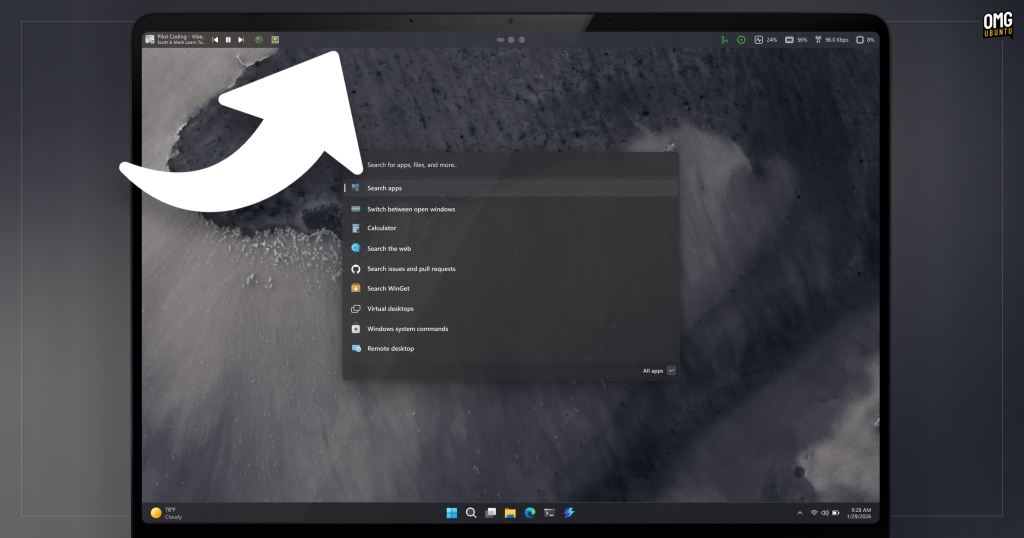
The new Command Palette Dock proposal, shared by Microsoft designer Niels Laute on GitHub, aims to complement PowerToys’ existing Command Palette feature. This keyboard-driven launcher already provides quick access to system tools and utilities, and the proposed dock would transform these extensions into accessible widgets that users can position anywhere on their screen.
Windows Finally Catches Up to Linux Innovation
The proposed dock design shows a panel along the top of the screen, reminiscent of GNOME Shell’s customizable interface. The dock’s “adaptable extensions” that can be relocated echo KDE Plasma’s widget system—features Linux users have enjoyed for years.
While Microsoft designers may not have intentionally drawn inspiration from Linux, they’ve certainly arrived at similar conclusions about user interface design. The fact that Windows needs a second taskbar because the first one is too inflexible speaks volumes about the operating system’s limitations.
The “Pixel Tax” Problem
Windows users are already pushing back on the proposal, with some describing the approach as a “pixel tax”—essentially requiring valuable screen real estate for what should be native functionality. Why introduce a separate dock when the main taskbar could simply be made more customizable?
This criticism highlights a fundamental issue: Windows users are increasingly aware that their operating system lags behind alternatives in basic usability features. The fact that Microsoft needs to create a separate utility just to offer desktop customization that Linux provides natively is telling.
Linux Users: We’ve Been Here Before
For Linux users, this development is both amusing and validating. The flexibility to move panels, add widgets, and customize layouts without waiting for “blessed” features or resorting to sketchy hacks is standard on most Linux distributions.
The contrast is stark: while Windows users must install PowerToys and enable experimental features, Linux users can configure their desktops exactly how they want them out-of-the-box. This difference in approach is becoming increasingly apparent as Windows 11 faces criticism for its ad integrations, telemetry, and AI-focused features that many users find intrusive.
The Bigger Picture: Windows Losing Ground
The Windows 10 end-of-life period saw millions of users exploring alternatives like Linux, unwilling to discard capable hardware to meet Windows 11’s demanding requirements. Windows 11 continues to face criticism even from its most loyal fans, who point to its bugs, privacy concerns, and departure from user-friendly design principles.
PowerToys represents Microsoft’s attempt to plug the gaps in Windows’ native functionality, but it also highlights the operating system’s fundamental limitations. As one observer noted, the fact that Windows users need a separate app to enjoy features that Linux offers by default is a compelling reason why many are making the switch.
The Future of Desktop Computing
Whether Microsoft’s Command Palette Dock proposal becomes an actual feature remains to be seen. However, the very existence of this proposal signals a growing recognition within Microsoft that Windows needs to evolve beyond its rigid, one-size-fits-all approach.
For now, Linux users can enjoy their highly customizable desktop environments while watching Windows play catch-up. The question isn’t whether Microsoft can innovate—it’s whether they can do so quickly enough to retain users who are increasingly discovering that alternatives have been offering these features for years.
Tags: #Microsoft #PowerToys #Windows11 #Linux #DesktopCustomization #CommandPalette #UIUX #OpenSource #TechNews #MicrosoftDesign #DesktopEnvironment #KDE #GNOME #WindowsCustomization #TechInnovation
Viral Sentences:
- “Microsoft finally learns from Linux: second taskbar incoming!”
- “Windows users discover what Linux has had for decades”
- “The ‘pixel tax’ Microsoft wants you to pay for basic customization”
- “Why install a separate app when Linux does it out-of-the-box?”
- “Windows 11’s inflexibility meets its match in PowerToys”
- “Microsoft plays catch-up as Linux users laugh knowingly”
- “The taskbar that moves? Revolutionary… if you’re on Windows”
- “Linux customization: not a feature, it’s the whole point”
- “Microsoft’s ‘new’ idea is Linux’s old standard”
- “When your operating system needs a utility to be usable”
,
Leave a Reply
Want to join the discussion?Feel free to contribute!