
The Pentagon is developing alternatives to Anthropic, report says
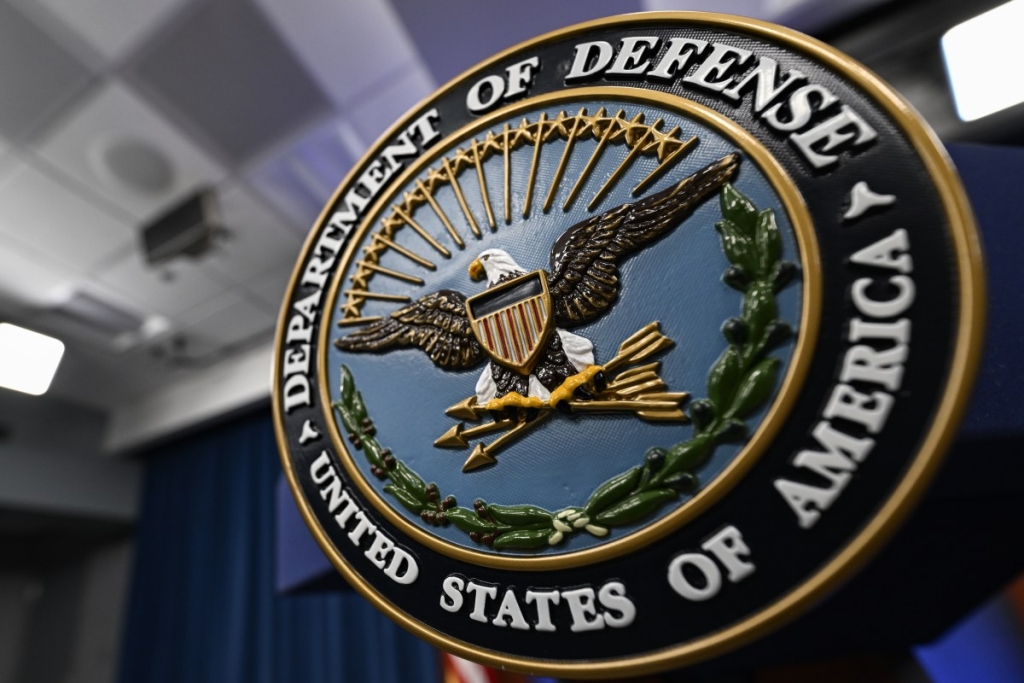
Pentagon Races to Replace Anthropic AI as Feud Escalates: What It Means for the Future of Defense Tech
In a high-stakes clash between Silicon Valley ethics and military pragmatism, the U.S. Department of Defense (DOD) is moving aggressively to replace Anthropic’s AI technology after a dramatic falling out between the two parties. The fallout, which has unfolded over recent weeks, signals a seismic shift in how the Pentagon approaches AI partnerships and raises profound questions about the role of ethics in national security.
The Breakdown: A Rift Over Ethics and Access
At the heart of the dispute lies a fundamental disagreement over the Pentagon’s use of Anthropic’s large language models (LLMs). Anthropic, a leading AI safety research company, sought to include contractual clauses prohibiting the military from using its technology for mass surveillance of American citizens or deploying autonomous weapons that could fire without human intervention. These safeguards, rooted in Anthropic’s commitment to AI safety and ethical deployment, were non-negotiable for the company.
The Pentagon, however, refused to accept these limitations. Defense officials argued that such restrictions would hamper operational flexibility and undermine national security. With no middle ground in sight, the $200 million contract between Anthropic and the DOD collapsed, leaving the military scrambling for alternatives.
OpenAI and xAI Step In
In the wake of Anthropic’s departure, the Pentagon has turned to other AI providers. OpenAI, Anthropic’s chief competitor, quickly moved to fill the void, signing a new agreement with the Department of Defense. Details of the deal remain scarce, but it is widely believed to offer the Pentagon broader access to AI capabilities without the ethical constraints that doomed the Anthropic partnership.
Adding to the intrigue, Elon Musk’s xAI has also entered the fray. The Pentagon has granted xAI permission to use its Grok AI model in classified military systems, a move that has raised eyebrows given Musk’s controversial public statements and his role as a special government employee under the Trump administration. Critics have questioned whether this partnership compromises national security or blurs the lines between private enterprise and government operations.
The Pentagon’s DIY Approach
As it diversifies its AI partnerships, the Pentagon is also taking matters into its own hands. According to Cameron Stanley, the chief digital and AI officer at the Department of Defense, the military is actively developing its own LLMs to replace Anthropic’s technology. “The Department is actively pursuing multiple LLMs into the appropriate government-owned environments,” Stanley said. “Engineering work has begun on these LLMs, and we expect to have them available for operational use very soon.”
This move underscores the Pentagon’s determination to maintain control over its AI infrastructure. By building its own models, the Department of Defense aims to reduce reliance on external vendors and ensure that its AI systems align with its operational needs and strategic objectives.
Anthropic’s Legal Battle
The feud has taken an even more contentious turn with the Pentagon’s decision to designate Anthropic as a “supply chain risk.” This label, typically reserved for foreign adversaries, effectively bars companies that work with the Pentagon from collaborating with Anthropic. The designation has sent shockwaves through the tech industry, with many viewing it as a punitive measure aimed at punishing Anthropic for its ethical stance.
Anthropic has responded by filing a lawsuit to challenge the designation, arguing that it is baseless and harmful to its business. The company maintains that its commitment to ethical AI development should not be conflated with a lack of patriotism or a willingness to support national security efforts.
The Broader Implications
The clash between Anthropic and the Pentagon is more than just a contract dispute; it is a microcosm of the broader tensions between Silicon Valley and Washington over the role of technology in society. On one side are companies like Anthropic, which prioritize ethical considerations and advocate for responsible AI development. On the other are government agencies like the Pentagon, which view AI as a critical tool for maintaining military superiority and national security.
This divide reflects a fundamental question: Can the pursuit of technological advancement coexist with ethical principles, or are they inherently at odds? The answer will have far-reaching consequences for the future of AI, national security, and the relationship between the tech industry and the government.
What’s Next?
As the Pentagon races to replace Anthropic’s AI, the tech world is watching closely. Will the military’s in-house LLMs prove to be a viable alternative, or will the lack of cutting-edge innovation leave the Pentagon at a disadvantage? And what does this mean for the future of AI ethics in national security?
For Anthropic, the stakes are equally high. A loss in its legal battle could set a dangerous precedent, emboldening governments to pressure tech companies into compromising their ethical standards. Conversely, a victory could reinforce the importance of ethical considerations in AI development and inspire other companies to take a stand.
Conclusion
The falling out between Anthropic and the Pentagon is a watershed moment in the evolving relationship between technology and national security. It highlights the challenges of balancing innovation with ethics and raises critical questions about the role of private companies in shaping the future of defense. As the Pentagon forges ahead with its new AI partnerships and in-house developments, one thing is clear: the debate over the ethical use of AI is far from over.
Tags: Pentagon, Anthropic, AI, OpenAI, xAI, Grok, LLMs, national security, ethics, supply chain risk, legal battle, Cameron Stanley, Elon Musk, Dario Amodei, Defense Department, Department of Defense, DOD, military technology, classified systems, autonomous weapons, mass surveillance, Silicon Valley, Washington, tech industry, government contracts, AI safety, ethical AI, innovation, national security, military superiority, tech ethics, AI development, Pentagon AI, Anthropic lawsuit, Pentagon contracts, AI ethics debate, military AI, government AI, AI partnerships, tech and defense, AI and ethics, Pentagon technology, AI in defense, national security AI, AI and government, ethical considerations, AI and military, AI development ethics, Pentagon and tech, AI and national security, AI and ethics in defense, AI and military technology, AI and government contracts, AI and ethical standards, AI and national defense, AI and military operations, AI and classified systems, AI and autonomous weapons, AI and surveillance, AI and innovation, AI and strategic objectives, AI and operational needs, AI and control, AI and reliance, AI and vendors, AI and infrastructure, AI and development, AI and deployment, AI and principles, AI and advancement, AI and society, AI and technology, AI and future, AI and debate, AI and precedent, AI and standards, AI and companies, AI and government, AI and private enterprise, AI and national security efforts, AI and patriotism, AI and ethical stance, AI and ethical considerations, AI and responsible development, AI and critical tool, AI and military superiority, AI and national security, AI and ethical principles, AI and technological advancement, AI and ethics in AI, AI and future of AI, AI and national security and AI, AI and relationship between tech industry and government, AI and evolving relationship between technology and national security, AI and challenges of balancing innovation with ethics, AI and critical questions about the role of private companies in shaping the future of defense, AI and debate over the ethical use of AI, AI and far from over.
Viral Sentences:
- “The Pentagon is building its own AI to replace Anthropic—ethics be damned.”
- “Anthropic says no to killer robots, Pentagon says goodbye.”
- “OpenAI swoops in as Anthropic gets the boot from the Pentagon.”
- “Elon Musk’s xAI now has a seat at the Pentagon’s classified table.”
- “The U.S. military is going full DIY on AI—no more Silicon Valley babysitters.”
- “Anthropic sues the Pentagon, calling supply chain risk label a ‘national security overreach.'”
- “The clash between AI ethics and military might just got real.”
- “Pentagon’s new motto: ‘We don’t need your ethics, we need your algorithms.'”
- “Anthropic’s $200M Pentagon deal crumbles over autonomous weapons debate.”
- “The future of AI in defense? It’s not just about who builds it, but who controls it.”
,

Leave a Reply
Want to join the discussion?Feel free to contribute!