
Scientists Turn Bacteria Into Tiny Tumor Hunters That Kill Cancer
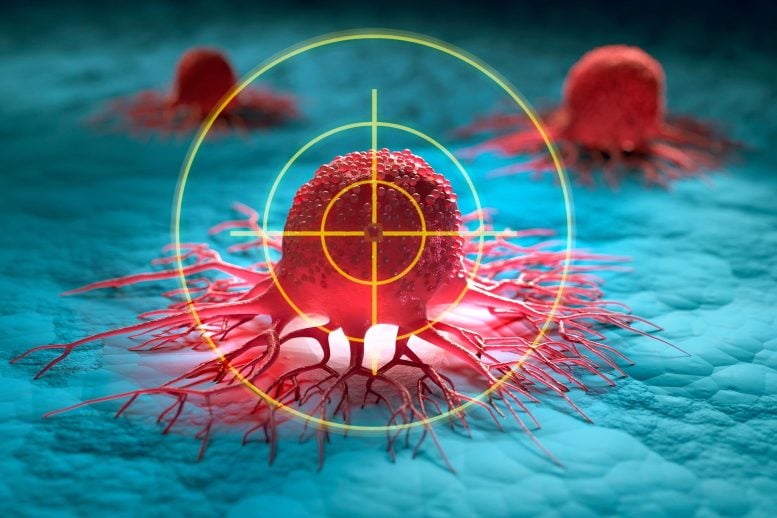
Scientists Turn Bacteria Into Tiny Tumor Hunters That Kill Cancer
In a groundbreaking leap for oncology, scientists have successfully reprogrammed bacteria to act as microscopic tumor hunters—essentially transforming these single-celled organisms into living drug factories that seek out and destroy cancer cells from within. This revolutionary approach, detailed in a new study published today (March 17) in the open-access journal PLOS Biology, could herald a bold new era in the fight against one of humanity’s deadliest diseases.
The research, led by Tianyu Jiang at Shandong University in Qingdao, China, addresses one of cancer’s most vexing challenges: its ability to evade conventional treatments. Traditional therapies like chemotherapy and radiation often damage healthy tissue alongside tumors, leading to severe side effects and limited efficacy. But what if we could harness nature’s own precision tools to target cancer more intelligently?
That’s precisely what Jiang and his team have done. By genetically engineering bacteria, they’ve created microscopic agents capable of navigating the body, detecting tumors, and delivering potent anti-cancer payloads directly to malignant cells. Think of it as turning bacteria into tiny, programmable assassins—each one trained to hunt down cancer while sparing healthy tissue.
How It Works: Bacteria as Living Drug Factories
The concept hinges on exploiting bacteria’s natural behaviors. Certain strains of bacteria thrive in low-oxygen environments—precisely the kind found inside solid tumors. Researchers took advantage of this trait, modifying the bacteria to produce specific therapeutic proteins once they reach their target.
Here’s the process in action:
- Engineered Entry: The modified bacteria are introduced into the bloodstream, where they circulate harmlessly until they encounter a tumor.
- Tumor Detection: Using built-in biological sensors, the bacteria identify the unique chemical signatures of cancer cells.
- Localized Attack: Upon reaching the tumor, the bacteria begin producing anti-cancer compounds directly at the site, minimizing collateral damage.
- Self-Destruction: To prevent the bacteria from lingering in the body, the researchers included a kill-switch mechanism, ensuring they die off after completing their mission.
This approach not only enhances precision but also reduces the systemic toxicity associated with traditional treatments. Early experiments in lab models showed remarkable success, with engineered bacteria shrinking tumors significantly without harming surrounding tissues.
Why This Matters: A Paradigm Shift in Cancer Treatment
Cancer affects millions globally each year, and while survival rates have improved thanks to advances in medicine, the disease remains notoriously difficult to treat. Its ability to mutate, spread, and resist therapies makes it a moving target for scientists.
The bacterial approach offers several advantages over existing methods:
- Targeted Delivery: Unlike chemotherapy, which floods the entire body with toxic chemicals, bacteria deliver drugs exactly where they’re needed.
- Adaptability: Bacteria can evolve alongside tumors, potentially overcoming resistance mechanisms that plague static drugs.
- Scalability: Once engineered, bacteria can replicate, amplifying their therapeutic effect without requiring repeated doses.
Moreover, this method opens the door to personalized medicine. By tailoring the bacteria’s programming to an individual’s specific tumor type, doctors could create highly customized treatments with unprecedented accuracy.
Challenges and Future Directions
While the results are promising, the technology is still in its infancy. Scaling up from lab models to human trials will require rigorous testing to ensure safety and efficacy. Researchers must also address potential risks, such as unintended bacterial spread or immune system reactions.
However, the implications are staggering. If successful, this strategy could complement or even replace current treatments, offering hope to patients with previously untreatable cancers. It also represents a broader shift toward leveraging biology itself as a tool for healing—a concept known as synthetic biology.
The Bigger Picture: Biology Meets Technology
This innovation sits at the intersection of biology, engineering, and medicine, embodying the spirit of interdisciplinary collaboration that defines modern science. By borrowing from nature’s playbook, researchers are rewriting the rules of disease treatment.
Imagine a future where cancer is no longer a death sentence but a manageable condition—or better yet, a preventable one. With advances like these, that future feels closer than ever.
As Tianyu Jiang and his team continue refining their bacterial warriors, the world watches with bated breath. If their work lives up to its promise, we may soon witness a seismic shift in how we understand and combat cancer.
For now, one thing is clear: the war on cancer just gained a powerful new ally—and it’s smaller than we ever imagined.
Tags & Viral Phrases:
- Bacteria turned into tumor-hunting drug factories
- Microscopic assassins targeting cancer cells
- Living drug delivery systems
- Precision oncology breakthrough
- Engineered bacteria seek and destroy tumors
- Cancer treatment revolution
- Synthetic biology meets medicine
- Low-oxygen environments fuel bacterial growth
- Self-destructing bacteria prevent side effects
- Personalized cancer therapies
- Lab models show remarkable tumor shrinkage
- Scaling up to human trials
- Immune system reactions and safety concerns
- Biology as a tool for healing
- Interdisciplinary collaboration in science
- Cancer no longer a death sentence
- Manageable and preventable cancer
- Seismic shift in cancer treatment
- Powerful new ally in the war on cancer
- Smaller than imagined: bacteria as warriors
- Groundbreaking leap for oncology
- Single-celled organisms as therapeutic agents
- Genetic engineering of bacteria
- Biological sensors detect cancer cells
- Kill-switch mechanism ensures safety
- Systemic toxicity reduced
- Adaptability to tumor mutations
- Scalability of bacterial replication
- Tailored treatments for individual patients
- Synthetic biology redefines disease treatment
- Nature’s playbook inspires innovation
- Bated breath: the world watches
- Promise of engineered bacteria
- Living factories produce anti-cancer compounds
- Harmless circulation until tumor detection
- Amplified therapeutic effect
- Rigorous testing for human trials
- Unintended bacterial spread risks
- Immune system reactions
- Complementary or replacement treatments
- Unprecedented accuracy in medicine
- Moving target: cancer’s resistance
- Hope for untreatable cancers
- Rewriting the rules of healing
- Manageable condition: cancer’s future
- Closer than ever: a hopeful future
- Powerful new ally: bacteria
- Smaller than imagined: microscopic warriors
,


Leave a Reply
Want to join the discussion?Feel free to contribute!