
State Farm Drone Leaves Homeowner With $20K Bill After Surprise Roof Inspection
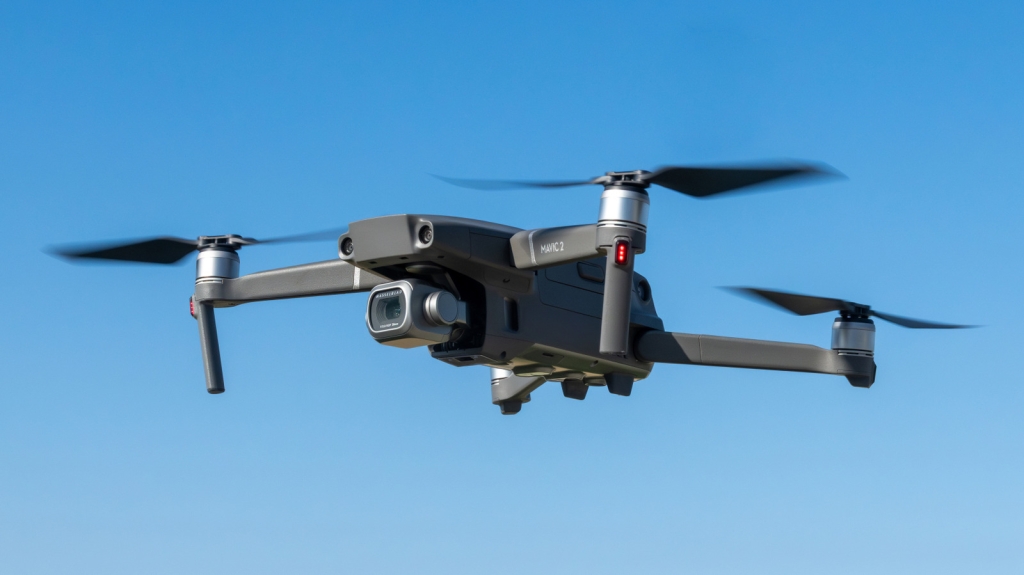
State Farm Drone Sparks $20,000 Insurance Nightmare for California Homeowner
In a shocking case that highlights the growing intersection of drone technology and insurance practices, a Santa Ana, California resident has been left facing a potential $20,000 bill after what she claims was an unannounced drone inspection of her property.
The Surprise Roof Inspection That Changed Everything
Linda Bennett, a longtime Santa Ana homeowner, received a letter from State Farm demanding immediate roof repairs or face cancellation of her insurance coverage. According to Bennett, the estimated cost to bring her roof up to the insurance company’s standards would be approximately $20,000—a staggering sum that she was given until May 1 to address.
The controversy centers on how State Farm obtained the information that led to this demand. Bennett alleges that the insurer conducted a covert drone inspection of her property without her knowledge or consent. This unannounced aerial survey allegedly revealed roof conditions that State Farm deemed unacceptable, triggering the costly ultimatum.
“I had no idea they were using drones to inspect my home,” Bennett told local media. “I never received any prior notification that they would be flying a drone over my property to take photographs.”
State Farm’s Defense: A “Natural Evolution” of Property Assessment
When confronted about the allegations, State Farm acknowledged that using drones for property inspections is indeed controversial, but defended the practice as part of the insurance industry’s natural evolution in assessing risk and property conditions.
Insurance companies argue that drone technology allows for more accurate and comprehensive property assessments than traditional methods. Drones can capture high-resolution imagery of roof conditions, structural elements, and potential hazards that might be difficult or dangerous for human inspectors to access.
However, critics argue that this technological advancement comes at the cost of homeowner privacy and the element of surprise that can leave property owners scrambling to address issues they didn’t know existed.
The Legal Gray Area: Can Insurers Legally Use Drone Imagery?
The legality of insurance companies using drone imagery to make policy decisions exists in a murky legal landscape that varies significantly by state. Currently, there are few comprehensive federal regulations governing this practice, leaving individual states to craft their own approaches.
Pennsylvania: Regulated but Permitted
In Pennsylvania, aerial imaging for insurance purposes is allowed under state law, though with important limitations. The state’s Unfair Insurance Practices Act requires insurers to prove risks, properly notify homeowners of nonrenewal decisions, and provide adequate time for repairs before canceling coverage.
This means that while Pennsylvania insurers can use drone imagery, they cannot rely solely on aerial photographs as definitive grounds for policy cancellation. They must follow a structured process that includes homeowner notification and opportunity for remediation.
Texas: The Wild West of AI and Aerial Imaging
Texas presents a stark contrast, where the use of artificial intelligence in conjunction with aerial imagery remains completely unregulated. Insurance companies operating in Texas face no specific legal restrictions on how they can use drone-captured data or AI analysis to make policy decisions.
This regulatory vacuum has led to concerns about potential abuse and the lack of recourse for homeowners who find themselves subject to sudden policy changes based on drone findings.
California: Taking Steps Toward Protection
California, where Bennett’s case occurred, is moving to address these concerns through legislative action. In 2025, the state introduced Assembly Bill 75, which seeks to establish guardrails and protections for homeowners subject to aerial photography by insurance companies.
If passed, this legislation would require insurance providers to formally notify homeowners before conducting aerial photography and provide them with access to any images taken. This transparency would allow homeowners to effectively dispute findings they believe are inaccurate or unfair.
The Broader Implications: Privacy in the Age of Aerial Surveillance
The Santa Ana case raises fundamental questions about privacy rights in an era where drone technology makes it increasingly easy to conduct surveillance from above. Unlike traditional property inspections that require scheduling and homeowner presence, drone inspections can be conducted covertly, often without the property owner’s knowledge.
This capability creates a power imbalance between insurers and homeowners. Insurance companies gain the ability to gather detailed information about properties without the traditional safeguards of in-person inspections, such as the opportunity for homeowners to explain issues or demonstrate repairs.
The Technology Factor: Drones Keep Getting Better
The controversy comes at a time when drone technology continues to advance rapidly. Recent innovations like the Antigravity A1 drone showcase the impressive capabilities of modern aerial vehicles, including enhanced stability, longer flight times, and superior image quality.
While these technological improvements benefit many legitimate applications—from search and rescue to agricultural monitoring—they also amplify the potential for privacy-invasive practices when used without proper oversight or homeowner consent.
What This Means for Homeowners Nationwide
For homeowners across America, the Bennett case serves as a wake-up call about the changing landscape of property insurance and the technologies insurers are deploying. Whether you live in a state with strict regulations or one with minimal oversight, the possibility exists that your insurance provider could be using drones to assess your property without your knowledge.
The key takeaway for homeowners is to proactively engage with their insurance providers about their inspection practices. Ask whether they use drones or aerial imagery, what criteria they use to evaluate properties, and what recourse exists if you disagree with their assessments.
The Path Forward: Balancing Innovation and Rights
As drone technology becomes increasingly integrated into various industries, including insurance, the challenge lies in balancing legitimate business needs with individual privacy rights and due process. The insurance industry argues that drones enable more accurate risk assessment and potentially lower premiums for well-maintained properties, while critics contend that the technology enables a form of surveillance that undermines traditional homeowner rights.
The resolution of this tension will likely come through a combination of legislative action, like California’s proposed bill, and industry self-regulation that establishes clear standards for transparency, notification, and homeowner recourse.
For Linda Bennett and potentially thousands of other homeowners facing similar situations, the outcome of this evolving legal and technological landscape could mean the difference between affordable insurance and financial hardship imposed by unexpected drone findings.
Viral Tags:
DroneInsuranceScandal #HomeownerRights #StateFarmControversy #AerialSurveillance #InsuranceTechnology #PrivacyRights #CaliforniaLegislation #DroneInspection #RoofRepairNightmare #InsuranceReform #HomeInsurance #TechEthics #AerialPhotography #InsuranceReformNow #HomeownerAlert #DronePrivacy #InsuranceControversy #TechGoneWrong #HomeProtection #InsuranceRights
Viral Phrases:
“Drone leaves homeowner with $20K bill after surprise inspection”
“Insurance company’s secret drone surveillance sparks outrage”
“Homeowners blindsided by aerial technology in insurance decisions”
“$20,000 surprise: When drones decide your insurance fate”
“The privacy cost of high-tech insurance assessments”
“California homeowner fights back against drone-based policy cancellation”
“Insurance tech advances faster than homeowner protections”
“From recreational to revolutionary: Drones transform property insurance”
“The $20,000 question: Can insurers use drones without consent?”
“Homeowners demand transparency as insurers go high-tech”
,


Leave a Reply
Want to join the discussion?Feel free to contribute!