
The AI Boom Will Increase US Carbon Emissions—but It Doesn’t Have To
AI’s Energy Surge: The Hidden Costs of Data Centers and the Grid’s Future
As artificial intelligence continues to revolutionize industries and reshape our digital landscape, an unexpected challenge is emerging: the enormous energy demands of AI data centers are threatening to strain the U.S. power grid and potentially drive up electricity costs for consumers nationwide.
“What’s so crazy about renewables is [that] both political arguments are true,” explains Pier LaFarge, cofounder at Sparkfund, a utility services company. “They are the cheapest power at the source of generation—but they are also raising rates because of downstream upgrades to the distribution grid.”
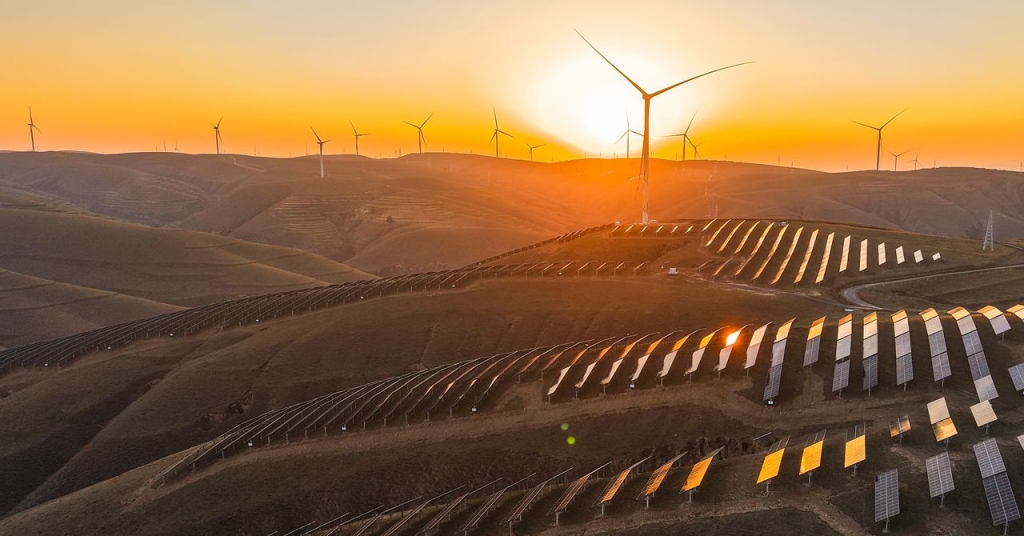
This paradox sits at the heart of America’s energy dilemma. While renewable energy sources like wind and solar have become the most cost-effective options for generating electricity, their integration into the existing power infrastructure requires substantial investments in grid modernization. These upgrades, necessary to handle the intermittent nature of renewables and the increasing demand from data centers, are ultimately passed on to consumers.
The scale of the challenge becomes clear when examining recent studies. Simply reintroducing tax credits for wind and solar wouldn’t be sufficient to combat the worst effects of climate change, especially given the surging electricity demand from AI operations. A comprehensive analysis by the Union of Concerned Scientists (UCS) modeled various scenarios for decarbonizing the U.S. grid as AI-driven demand continues to rise.
The most ambitious scenario examined by UCS included stringent power plant regulations and significant investments in transmission infrastructure necessary for renewable energy deployment. While this approach would increase wholesale electricity costs by approximately $412 billion through 2050—a 7 percent increase—the analysis found it would prevent up to $13 trillion in climate-related damages. These avoided costs include damages from floods, wildfires, droughts, and other extreme weather events worldwide, plus local health costs associated with fossil fuel power plants.
This calculation doesn’t even account for the recent decision by the Environmental Protection Agency to stop factoring in lives saved from pollution reduction when evaluating power plant policies—a move that could further complicate efforts to justify clean energy investments based on their health benefits.
The urgency of the situation is underscored by the current state of America’s power infrastructure. Much of the U.S. grid is in serious need of upgrades, and the challenge of the coming years will be ensuring that necessary improvements—whether driven by renewable integration or other factors—aren’t unfairly imposed on consumers who have little control over these systemic changes.
“There definitely needs to be much stronger guardrails in place for data centers themselves, as well as for making sure that we have enough electricity capacity and generation in place to power those data centers, and that it doesn’t take away from other customers,” notes energy expert Clemmer.
Despite the Trump administration’s aggressive stance against renewable energy and the staggering projections for AI’s energy consumption, there are reasons for cautious optimism. LaFarge believes that utilities’ increasing deployment of battery storage systems, combined with contractual arrangements that require data centers to bear the costs of infrastructure upgrades and other associated expenses, could help mitigate rate increases for regular consumers.
Battery storage represents a crucial piece of the puzzle. Unlike tax credits for wind and solar, which faced uncertainty during recent budget negotiations, tax incentives for energy storage largely survived the legislative process. This policy stability could accelerate the deployment of batteries that help balance the grid and reduce the need for expensive peaker plants.
The Texas model offers a glimpse of what might be possible. The Lone Star State has successfully integrated massive amounts of cheap wind and solar power into its grid, supplemented by natural gas plants and increasingly, battery storage systems. This diversified approach has helped keep electricity costs competitive while maintaining grid reliability.
“The good news is that, just like the Biden administration couldn’t control the fate of the universe, neither can the Trump administration,” LaFarge points out. Recent data supports this perspective: solar, wind, and storage made up more than 90 percent of new power capacity added to the U.S. grid last year. “We’re building more renewables more quickly in more places for purely economic reasons.”
This economic reality suggests that market forces may continue driving clean energy adoption regardless of political headwinds. The falling costs of renewable technologies, combined with their operational advantages and the increasing competitiveness of energy storage, create powerful incentives for utilities and developers to continue expanding clean energy capacity.
However, the rapid growth of AI and its associated energy demands adds a new layer of complexity to this transition. Data centers required for training large language models and running complex AI algorithms consume enormous amounts of electricity—often more than traditional computing facilities. As companies race to develop more sophisticated AI systems, the energy requirements are projected to grow exponentially.
This creates a challenging dynamic: the very technologies that could help optimize energy systems and accelerate the transition to clean power are themselves becoming major consumers of electricity. The key will be ensuring that AI’s growth doesn’t undermine the progress being made in renewable energy deployment and grid modernization.
Looking ahead, the path forward likely involves a combination of policy interventions, market mechanisms, and technological innovations. Utilities may need to develop new rate structures that more accurately reflect the costs and benefits of different types of customers. Data center operators might be required to invest in on-site renewable generation or storage to offset their grid impact. And continued innovation in energy efficiency for AI hardware could help moderate the growth in electricity demand.
The stakes couldn’t be higher. As climate change intensifies and the need for rapid decarbonization becomes more urgent, the ability to integrate renewable energy at scale while managing growing electricity demand will be crucial. The decisions made in the coming years about how to upgrade the grid, how to price electricity, and how to balance the needs of different customers will shape America’s energy future for decades to come.
While the challenges are significant, the combination of falling renewable costs, advancing storage technology, and the economic imperative to address climate change suggests that progress is possible. The key will be ensuring that the transition to clean energy remains affordable and equitable, even as we grapple with the unexpected energy demands of the AI revolution.
Tags & Viral Phrases:
- AI energy crisis
- Data center power demands
- Renewable energy paradox
- Grid modernization costs
- Climate change economics
- Battery storage revolution
- Texas energy model
- Clean energy market forces
- Trump administration energy policy
- AI’s hidden environmental cost
- Electricity rate increases
- Grid infrastructure crisis
- Energy storage tax credits
- Data center guardrails
- Renewable energy cheapest source
- $13 trillion climate costs
- 90% clean energy growth
- Energy demand from AI
- Clean energy despite politics
- Grid upgrade challenges
- Consumer electricity costs
- Renewable energy economics
- Climate damage prevention
- Power grid modernization
- AI data center energy
- Clean energy transition
- Energy storage deployment
- Grid reliability challenges
- Renewable integration costs
- Electricity market transformation
,


Leave a Reply
Want to join the discussion?Feel free to contribute!