
Cuba Set A Solar Power Record, And China Is Partially To Thank
Cuba Shatters Solar Power Records: How China’s Strategic Energy Push Is Transforming the Island
In a stunning display of renewable energy progress, Cuba has achieved what energy analysts are calling a “solar revolution” in the Caribbean. The island nation, long dependent on imported fossil fuels and struggling under decades of U.S. economic sanctions, has suddenly emerged as a solar power powerhouse, breaking records and redefining its energy future with substantial backing from China.
February 2026 marked a watershed moment for Cuba’s energy sector when the country announced it had generated over 800 megawatts of solar power in a single afternoon—a figure that would have been unthinkable just months earlier. The very next day, Cuba shattered its own record, producing an astounding 900 megawatts of clean solar energy. This achievement prompted an enthusiastic tweet from Cuba’s Ministry of Energy and Mines, celebrating what many are calling the country’s most significant energy milestone in decades.
What makes this accomplishment even more remarkable is the context. Just one year prior, in 2025, solar power accounted for a meager 5.8% of Cuba’s total energy generation. By February 2026, that figure had skyrocketed to 20%—a fivefold increase in just 12 months. This dramatic transformation represents not just a technological achievement but a fundamental shift in Cuba’s energy policy and economic outlook.
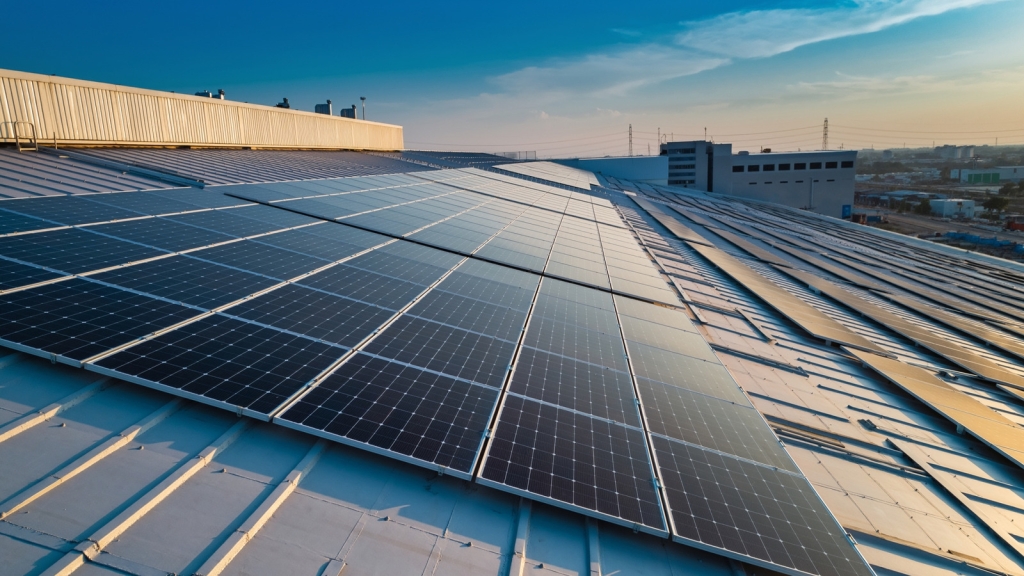
The driving force behind this solar surge? China’s strategic investment in Cuba’s renewable infrastructure. While global headlines typically focus on massive solar projects in countries like China itself, the Asian giant’s influence in Cuba has remained largely under the radar—until now. China has been instrumental in constructing dozens of new solar parks across the Cuban landscape, with plans to build a total of 92 solar parks by 2028.
This partnership between Cuba and China extends far beyond simple infrastructure development. It represents a geopolitical realignment in the Caribbean energy sector, with China stepping into a role that the United States has largely abandoned due to ongoing sanctions. For Cuba, this relationship offers a path to energy independence that seemed impossible just a few years ago.
The technology transfer is equally impressive. Chinese firms have not only built large-scale solar installations but have also deployed over 10,000 standalone solar power kits across the island. These systems, designed for homes and institutions not yet connected to the national grid, are transforming daily life for thousands of Cuban families. Each kit can power essential appliances like refrigerators, fans, and televisions—basic comforts that many Cubans have lived without for years.
The timing of Cuba’s solar breakthrough is particularly significant. The country’s energy demand peaks between 7 and 8 p.m., well after sunset, when solar panels are inactive. This creates a classic renewable energy challenge: how to store daytime energy for nighttime use. China has addressed this by exporting advanced battery storage systems to Cuba, ensuring that the solar power generated during peak sunlight hours doesn’t go to waste.
But China’s involvement in Cuba’s energy transformation goes even further. The Asian nation is also investing heavily in wind energy infrastructure, helping Cuba tap into its substantial wind power potential. Wind farms established by Chinese companies across the island have already prevented millions of tons of carbon dioxide from entering the atmosphere—a benefit that extends far beyond Cuba’s borders.
The economic implications are profound. For decades, Cuba has been forced to spend precious foreign currency on expensive imported fossil fuels, a burden that has crippled its economy and limited its development options. Solar power, once fully deployed, promises to dramatically reduce these import costs while providing more reliable electricity to Cuban homes and businesses.
This energy partnership also represents a soft power victory for China in the Western Hemisphere. By providing Cuba with the technology and financing needed to modernize its energy infrastructure, China is building goodwill and establishing long-term economic relationships that could reshape Caribbean geopolitics for generations to come.
Environmental experts are watching Cuba’s solar experiment closely. The country’s rapid transition from fossil fuels to renewable energy could serve as a model for other developing nations seeking to break free from energy dependence while combating climate change. Cuba’s success demonstrates that even countries with limited resources can achieve remarkable progress when they receive the right technological support and investment.
The human impact cannot be overstated. For Cuban families receiving solar kits, the change is transformative. Children can now study after dark, families can keep food fresh in refrigerators, and small businesses can operate more efficiently. These may seem like modest improvements, but for communities that have lived with unreliable or non-existent electricity for years, they represent a fundamental improvement in quality of life.
Looking ahead, Cuba’s energy future appears brighter than ever. With China’s continued support and the country’s demonstrated ability to rapidly scale solar capacity, experts predict that Cuba could achieve energy independence within the next decade. This would be a remarkable turnaround for a nation that has struggled with power shortages and blackouts for years.
The story of Cuba’s solar revolution is more than just a tale of technological achievement. It’s a testament to the power of international cooperation, the potential for rapid transformation when political barriers are overcome, and the universal human desire for reliable, clean energy. As the world continues to grapple with climate change and energy security challenges, Cuba’s journey from energy dependence to solar independence offers valuable lessons and hope for a sustainable future.
Tags: Cuba solar power, China renewable energy, Caribbean solar revolution, solar power records, energy independence, renewable infrastructure, geopolitical energy, solar battery storage, wind energy development, developing nation energy transition
Viral Phrases: “Solar revolution in the Caribbean,” “900 megawatts of clean energy,” “China’s strategic energy push,” “Energy independence within a decade,” “Transforming daily life with solar kits,” “Soft power victory in the Western Hemisphere,” “Model for developing nations,” “From fossil fuels to solar independence,” “The power of international cooperation,” “Hope for a sustainable future”
,


Leave a Reply
Want to join the discussion?Feel free to contribute!