
The winter storm tested power grids straining to accommodate AI data centers
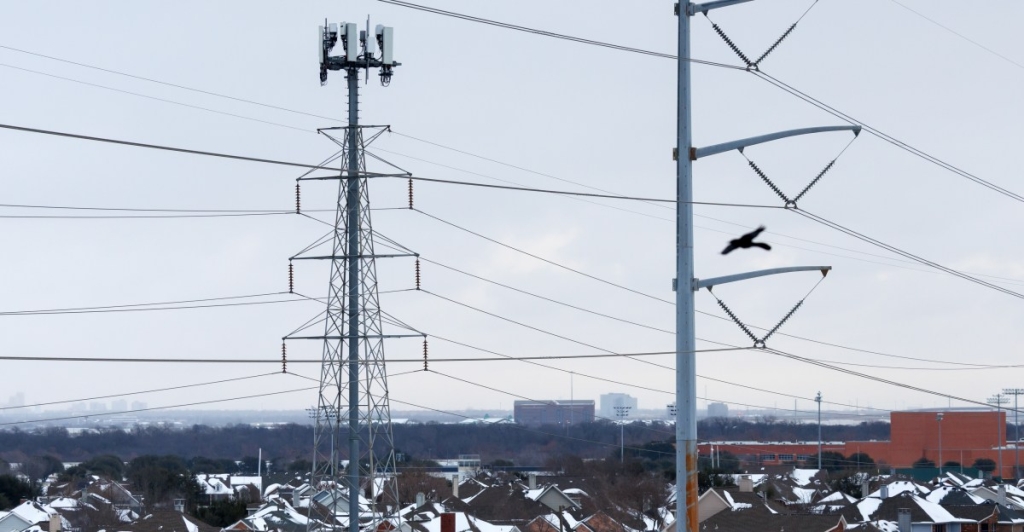
Winter Storm Fern Exposes Vulnerabilities in US Power Grids Amid AI Data Center Surge
A massive winter storm dubbed “Fern” has wreaked havoc across 34 states, leaving hundreds of thousands without power and exposing critical vulnerabilities in America’s aging power infrastructure. The storm’s aftermath, coupled with the rapid expansion of AI data centers, has created a perfect storm of energy challenges that experts say could reshape the nation’s approach to power management.
The cold snap following Winter Storm Fern has pushed power grids to their limits, with wholesale electricity prices in Virginia skyrocketing above $1,800 per megawatt-hour on Sunday, compared to around $200 the previous day. This dramatic price surge highlights the growing strain on energy systems already stressed by the explosive growth of AI data centers.
Virginia, home to the highest concentration of data centers in the United States, has become ground zero for this emerging crisis. The state’s power grid, managed by Dominion Energy, faces unprecedented challenges as it tries to balance the energy needs of these massive computing facilities with those of residential customers during extreme weather events.
“The increasing demand from AI data centers is certainly causing more pricing volatility in our energy markets,” says Nikhil Kumar, program director at energy consulting firm GridLab. “We’re seeing a fundamental shift in how electricity is consumed and priced across the country.”
This winter storm serves as a critical stress test for power grids already grappling with multiple challenges. Electricity demand is rising more steeply than at any point in the past decade, driven not only by AI data centers but also by domestic manufacturing growth, home electrification, and the need to upgrade aging infrastructure. The average age of power grids in the United States is approaching 100 years, with much of the transmission infrastructure dating back to the 1960s and 1970s.
George Gross, professor emeritus of electrical and computer engineering at the University of Illinois’ Grainger College of Engineering, puts it bluntly: “We’re working with our grandfather’s Buick.” This outdated infrastructure, combined with the increasing frequency and severity of climate-related disasters, has led to longer and more frequent power outages across the country.
The impact of extreme weather on energy prices is multifaceted. During cold snaps, demand for heating spikes dramatically, while supply can be constrained by frozen natural gas production and ice accumulation on power lines and equipment. The storm’s widespread nature has also limited the ability of utilities to draw on neighboring regions for support, as many areas face similar challenges simultaneously.
Texas, which experienced devastating power outages during Winter Storm Uri in 2021 that resulted in at least 246 deaths, has made significant preparations since then. The state has deployed more battery storage systems, which helped maintain grid stability during this week’s cold snap. However, the Department of Energy’s emergency orders to deploy backup generators at data centers and other industrial facilities have raised questions about logistics and federal authority in such situations.
The energy crisis has also sparked growing opposition to data centers across the United States. Communities are increasingly concerned about rising utility bills and the environmental impact of these facilities. In response to these concerns, some utilities are exploring demand response programs that would incentivize data center operators to reduce their energy consumption during peak demand periods. However, experts remain skeptical about the willingness of AI companies to participate in such programs, given the immense value placed on continuous computing power.
As of Tuesday, more than 489,000 customers across the United States remain without power. The lingering cold continues to pose risks to critical infrastructure, with ice accumulation remaining a significant threat to power lines and equipment.
The convergence of extreme weather events, aging infrastructure, and the rapid growth of energy-intensive AI data centers has created a perfect storm that experts say requires immediate attention. The coming months will be crucial in determining how the United States adapts its energy infrastructure to meet these emerging challenges while ensuring reliable power for all consumers.
Tags: #WinterStormFern #PowerGridCrisis #AIDataCenters #EnergyInfrastructure #ClimateChange #TexasPowerOutages #UtilityBills #EnergyCrisis #GridVulnerability #DataCenterOpposition
Viral Sentences:
- “We’re working with our grandfather’s Buick” – describing America’s aging power grid
- “It’s certainly causing more pricing volatility” – impact of AI data centers on energy markets
- “Right now, there’s just so much hype” – skepticism about AI companies reducing energy consumption
- “Making policy during emergency situations, usually it doesn’t yield the best policy” – warning about rushed energy decisions
- “The increasing demand from AI data centers is certainly causing more pricing volatility in our energy markets” – expert analysis of the crisis
- “This week’s cold snap hasn’t been as devastating, thanks in part to preparations by utilities and power grid operators” – positive note amid crisis
,


Leave a Reply
Want to join the discussion?Feel free to contribute!