
Rabbit plans a $500 Linux coding machine that recalls the Sony Vaio P and challenges high-end MacBook Neo dominance
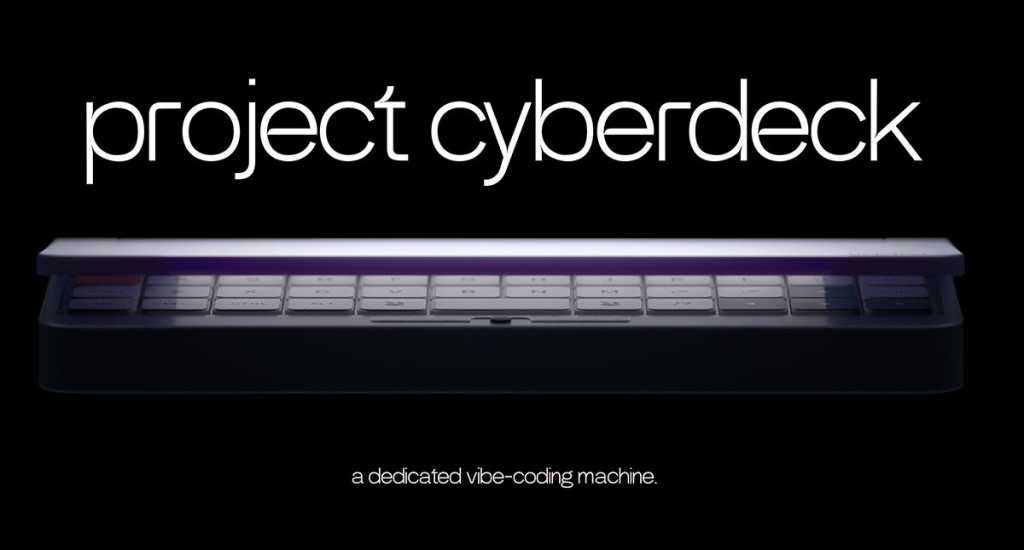
Rabbit’s Cyberdeck: A Modern Netbook Revival with a Linux Twist
In a bold move that blends nostalgia with cutting-edge technology, Rabbit is set to release the Cyberdeck, a compact coding device inspired by the iconic Sony Vaio P netbook from 2009. This innovative gadget is designed to cater to the growing demand for portable, AI-powered coding tools, offering a unique blend of retro aesthetics and modern functionality. With a price tag of just $500, the Cyberdeck is poised to disrupt the market and redefine what a coding device can be.
A Nod to the Past, a Leap into the Future
The Sony Vaio P was a groundbreaking netbook that captured the imagination of tech enthusiasts with its sleek design and portability. However, it was ahead of its time, and its high price point ($1,365 in today’s dollars) limited its appeal. Rabbit’s Cyberdeck aims to revive the spirit of the Vaio P while addressing its shortcomings. By leveraging modern hardware and software, the Cyberdeck promises to deliver a seamless coding experience at a fraction of the cost.
Designed for Vibe Coding
Unlike high-end laptops like Apple’s MacBook Neo, the Cyberdeck is not built for raw performance. Instead, it is explicitly designed for vibe coding—a term that refers to the use of AI tools like Claude Code and OpenAI Cursor for on-the-go development. This focus on AI-driven coding makes the Cyberdeck an ideal companion for developers who prioritize convenience and efficiency over raw processing power.
Affordable and Accessible
One of the most compelling aspects of the Cyberdeck is its affordability. Priced at $500, it is significantly cheaper than most modern laptops, making it accessible to a wider audience. This pricing strategy aligns with Rabbit’s mission to democratize technology and empower developers of all skill levels.
Compact and Portable
The Cyberdeck’s design is reminiscent of the Vaio P, featuring a compact form factor that is perfect for developers on the move. Early renders suggest a device with four USB-C ports, allowing users to connect external monitors and peripherals for a desktop-like experience. The inclusion of a 7-inch OLED touch display with a 165Hz refresh rate and high brightness further enhances its versatility.
A Mechanical Keyboard with a Twist
One of the standout features of the Cyberdeck is its mechanical keyboard. Rabbit has gone to great lengths to ensure that the keyboard is comfortable and customizable, featuring a fully hot-swappable PCB that allows users to adjust the typing feel to their preference. This attention to detail is a welcome departure from the rubber dome keyboards found in many low-cost PCs.
Linux-Powered and Fully Customizable
The Cyberdeck runs on Linux, giving users complete control over their operating system. This open-source approach allows for full customization, enabling developers to install third-party tools and access command-line features with ease. Rabbit has also integrated dark mode into the system to improve OLED battery efficiency, a thoughtful addition that enhances the device’s usability.
Performance on Par with Raspberry Pi 5
While the Cyberdeck is not designed for high-performance tasks, it is expected to deliver performance comparable to the Raspberry Pi 5. This level of performance is more than sufficient for vibe coding and other AI-driven tasks, making the Cyberdeck a practical choice for developers who value portability and affordability over raw power.
A Software Ecosystem from Day One
Rabbit is leveraging its experience from existing products and AI agents to ensure that the Cyberdeck has a functional software ecosystem from launch. This focus on software development is crucial for the device’s success, as it will enable users to hit the ground running with a wide range of tools and applications.
The Future of Coding Devices
The Cyberdeck represents a bold step forward in the evolution of coding devices. By combining the best elements of the Vaio P with modern technology, Rabbit has created a gadget that is both nostalgic and forward-thinking. Whether you’re a seasoned developer or a coding enthusiast, the Cyberdeck offers a unique and compelling solution for on-the-go development.
Final Thoughts
As the Cyberdeck moves closer to its release date, anticipation is building among the tech community. With its affordable price, compact design, and focus on vibe coding, the Cyberdeck is poised to become a must-have tool for developers everywhere. If Rabbit can deliver on its promises, the Cyberdeck could very well be the next big thing in portable coding devices.
Tags: #Cyberdeck #Rabbit #VaioP #Linux #CodingDevice #VibeCoding #AI #PortableTech #TechNews #GadgetReview #RaspberryPi #MechanicalKeyboard #OLEDDisplay #TechInnovation #AffordableTech #DeveloperTools #OpenSource #RetroTech #FutureOfCoding
Viral Sentences:
- “The Cyberdeck is the Vaio P’s spiritual successor, but with a modern twist!”
- “Coding on the go has never been this affordable or stylish.”
- “Rabbit’s Cyberdeck: Because vibe coding deserves a dedicated device.”
- “Say goodbye to rubber dome keyboards—hello, mechanical bliss!”
- “Linux meets AI in Rabbit’s game-changing Cyberdeck.”
- “The Cyberdeck is proof that good things come in small packages.”
- “Why pay $1,365 when you can get the same vibe for $500?”
- “The Cyberdeck: Where nostalgia meets innovation.”
- “Rabbit’s Cyberdeck is the ultimate tool for developers who crave portability and performance.”
- “The future of coding is here, and it’s called the Cyberdeck.”
,

Leave a Reply
Want to join the discussion?Feel free to contribute!