
Sam Altman Confronted At Oscars Party Over Pentagon Deal
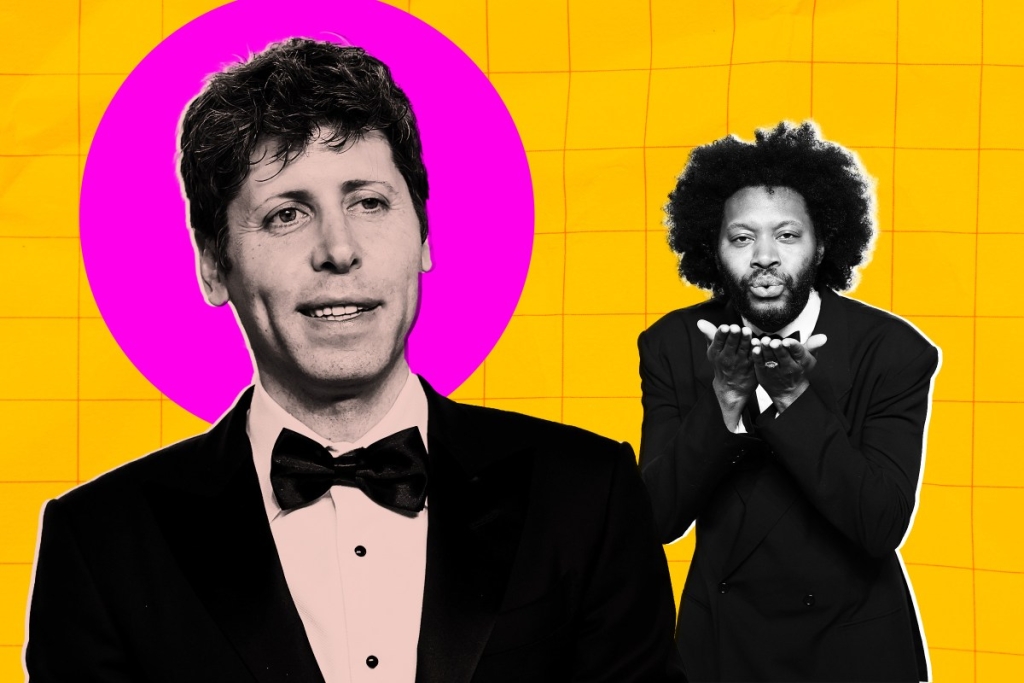
OpenAI CEO Sam Altman Sparks Outrage at Vanity Fair Oscar Party After Being Confronted Over Pentagon AI Deal
The glitz and glamour of Hollywood’s post-Oscars festivities took a sharp turn toward controversy this past Sunday when OpenAI CEO Sam Altman found himself at the center of a heated confrontation at Vanity Fair’s star-studded after-party. The tech mogul, who has been aggressively courting Hollywood for years, was publicly shamed by acclaimed playwright and screenwriter Jeremy O. Harris, who accused Altman of being complicit in military AI warfare and compared him to infamous Nazi collaborators.
The incident, first reported by Page Six, unfolded in front of a crowd of A-list celebrities including Michael B. Jordan, Timothée Chalamet, Kylie Jenner, Teyana Taylor, and Zoe Saldaña. Harris, known for his Tony Award-winning play Slave Play and co-writing the indie film Zola, reportedly approached Altman and unleashed a fiery tirade, calling him the “Goebbels of the Trump administration” for his company’s controversial deal with the Department of Defense.
Altman, who has been openly trying to break into Hollywood by backing AI-animated feature films and courting film executives, remained calm during the confrontation. However, Harris later apologized for his choice of words, admitting he had “a few too many martinis” and clarifying that he should have compared Altman to Friedrich Flick, a German industrialist who supplied the Nazi regime with weapons and used forced labor during World War II.
The Pentagon Deal That Sparked the Firestorm
The confrontation comes in the wake of OpenAI’s announcement in late February of a new partnership with the Department of Defense to deploy its AI systems across the military. The deal immediately sparked outrage, especially after the Trump administration ordered deadly airstrikes in Iran that killed its supreme leader Ali Khamenei and, according to reports, up to 1,000 civilians.
The backlash was swift and severe. OpenAI’s rival, Anthropic, had refused to cut a similar deal with the military, even under threats of government seizure of its technology. As a result, Anthropic’s AI model, Claude, surged to the top of app store charts, protests erupted outside OpenAI’s headquarters, and hundreds of employees signed an open letter demanding the company refuse the Pentagon’s demands for unfettered access to its AI systems.
Altman’s Damage Control and Internal Fallout
In the week following the announcement, Altman went into full damage control mode. He publicly apologized for the Pentagon deal being “rushed” and defended his decision to collaborate with the military during an all-hands meeting with employees. He also updated the agreement to include redlines that Anthropic had insisted on before negotiations fell through, such as restrictions on using AI in autonomous weaponry without human oversight and in mass surveillance of U.S. citizens.
However, the fallout from the deal is far from over. Top OpenAI executive Caitlin Kalinowski quit the company in protest, criticizing Altman for failing to define key guardrails around the company’s AI technology. Her departure underscores the growing internal dissent within OpenAI over its military partnerships and ethical boundaries.
Hollywood’s Unease with Big Tech
Altman’s presence at the Vanity Fair party itself raised eyebrows, given his ongoing efforts to court Hollywood executives and break into the motion picture industry. His attempts to integrate AI into filmmaking have been met with skepticism and resistance from creatives who fear the technology could undermine artistic integrity and displace human talent.
The confrontation with Harris highlights the growing tension between Silicon Valley and Hollywood over the role of AI in creative industries and its potential misuse in military applications. As tech companies like OpenAI push the boundaries of AI capabilities, they are increasingly facing scrutiny from both the public and industry insiders over the ethical implications of their work.
The Broader Implications
The incident at the Vanity Fair party is more than just a celebrity clash—it’s a reflection of the broader societal debate over the role of AI in warfare and its impact on human rights. Altman’s deal with the Pentagon has become a lightning rod for criticism, with many arguing that tech companies should not be complicit in military operations that could lead to civilian casualties.
As the controversy continues to unfold, it’s clear that OpenAI and other AI companies will need to navigate a complex landscape of ethical, political, and public relations challenges. The question remains: can they balance innovation with responsibility, or will they continue to face backlash from both inside and outside their organizations?
Tags: OpenAI, Sam Altman, Pentagon, AI, military, Hollywood, Vanity Fair, Oscars, Jeremy O. Harris, controversy, ethics, technology, Friedrich Flick, Nazi, Department of Defense, Anthropic, protests, Caitlin Kalinowski, Trump administration, Iran, airstrikes, AI ethics, Silicon Valley, creative industries, innovation, responsibility.
Viral Sentences:
- “Sam Altman confronted at Vanity Fair Oscar party over Pentagon AI deal.”
- “Jeremy O. Harris calls OpenAI CEO the ‘Goebbels of the Trump administration.’”
- “OpenAI’s Pentagon deal sparks outrage and employee protests.”
- “Top OpenAI executive quits in protest over military AI partnership.”
- “Anthropic’s Claude surges as OpenAI faces backlash over DoD deal.”
- “Hollywood uneasy as tech giants push AI into creative industries.”
- “Altman apologizes for ‘rushed’ Pentagon deal amid growing controversy.”
- “Tech CEOs face scrutiny over AI’s role in warfare and civilian harm.”
- “The future of AI: innovation or ethical nightmare?”
,


Leave a Reply
Want to join the discussion?Feel free to contribute!