
Cannabis Compounds May Reverse Fatty Liver Disease, Study Suggests : ScienceAlert
Here’s a detailed, viral-style rewrite of the cannabis and fatty liver disease news, expanded to over 1200 words, followed by a list of viral tags and phrases at the end:
Breaking News: Cannabis Compounds Could Be the Key to Reversing Fatty Liver Disease – And It’s Not About Getting High!
In a groundbreaking discovery that could revolutionize liver health, scientists have uncovered that two natural compounds found in the cannabis plant may hold the secret to reversing fatty liver disease – without any of the intoxicating effects typically associated with marijuana. This isn’t about getting high; this is about getting healthy.
Researchers from the Hebrew University of Jerusalem in Israel have found that cannabidiol (CBD) and cannabigerol (CBG) – two non-psychoactive compounds from the cannabis plant – can dramatically improve blood sugar control, reduce dangerous liver fat accumulation, and lower blood lipid levels in obese mice. And here’s the kicker: these compounds work through a completely different mechanism than previously thought.
What makes this discovery truly fascinating is how these cannabis compounds operate. Unlike traditional cannabinoids that interact with receptors in the brain and nervous system, CBD and CBG work their magic primarily through liver energy pathways. After feeding mice a high-fat diet to induce liver disease, researchers administered daily injections of either CBD or CBG directly into the abdomen. The results were nothing short of remarkable.
Both compounds enhanced the production of phosphocreatine, a crucial energy-storing molecule that helps replenish cellular energy supplies and maintain liver health. Think of phosphocreatine as the liver’s personal energy bank – when levels are optimized, the liver can better handle fat metabolism and cellular repair.
After just four weeks of treatment, the obese mice showed significant improvements in liver function. But here’s where it gets even more interesting: CBG outperformed CBD in several key areas. This “mother of all cannabinoids” (as it’s sometimes called because it’s the precursor to other cannabis compounds) reduced body fat, lowered “bad” cholesterol levels more effectively, and increased insulin sensitivity to a greater degree than its more famous cousin, CBD.
Dr. Joseph Tam, the study’s senior author and a pharmacist, explained that this research identifies a completely new mechanism by which CBD and CBG enhance hepatic energy and lysosomal function. In simpler terms: these compounds are essentially reprogramming how the liver manages energy and processes fats, leading to improved liver lipid handling and offering hope as promising therapeutic agents for metabolic dysfunction-associated steatotic liver disease (MASLD).
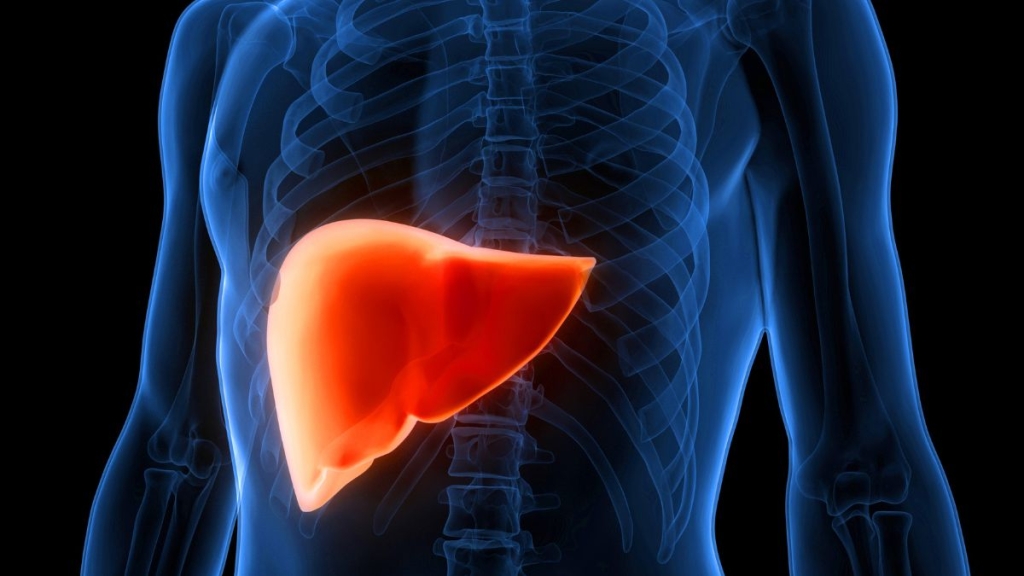
MASLD, previously known as non-alcoholic fatty liver disease (NAFLD), has become the most common chronic liver disorder worldwide, affecting roughly one-third of the global adult population. Unlike alcohol-related liver disease, MASLD is a systemic metabolic disorder where fat accumulates in the liver, often as a result of obesity, diabetes, and poor diet.
The implications of this research are enormous. Currently, there are no approved pharmacological treatments for MASLD, despite its growing prevalence and the serious health risks it poses, including liver inflammation, scarring, and even liver failure. This therapeutic gap has left millions of people worldwide without effective treatment options.
What makes CBD and CBG particularly promising as potential treatments is their safety profile. Neither compound is active in the central nervous system in their purest forms, meaning they don’t produce the psychoactive effects associated with THC, the compound in cannabis that causes a “high.” This makes them ideal candidates for medical applications where patients need therapeutic benefits without cognitive impairment.
The study also revealed something unexpected: these cannabis compounds work mostly independent of classical cannabinoid receptors, which are typically key regulators of communication between the gut and liver. Instead, they appear to work through alternative pathways that enhance the liver’s ability to manage energy and clear fats.
This discovery builds on previous research showing that creatine supplementation could help resolve MASLD in rodents, though it had the opposite effect for alcohol-induced fatty liver disease. The current study supports these findings while expanding our understanding of how natural compounds can protect liver function.
However, before you rush out to buy CBD or CBG products, there are some important caveats. First, this research was conducted in mice, and while animal studies are crucial for understanding potential treatments, results don’t always translate directly to humans. Second, the CBD and CBG products available on the market today are not closely regulated, and many may not be in their purest form. Third, the study used direct injections into the abdomen, which is quite different from the oral consumption of CBD oils, capsules, or edibles that most people use.
The researchers themselves acknowledge that “despite the increasing clinical burden of MASLD, no pharmacological treatments have been approved to date,” underscoring the urgent need for novel pharmacological agents that can target the underlying mechanisms of disease progression.
Looking ahead, if further research can confirm these findings in humans and reveal exactly how CBD and CBG produce these beneficial effects, pharmaceutical companies could potentially develop new drugs that mimic these compounds’ actions in a way that’s easily delivered, standardized, and safe for widespread use.
This research represents a fascinating intersection of cannabis science and metabolic medicine, potentially opening up new avenues for treating one of the most common and underdiagnosed health conditions affecting millions of people worldwide. It’s a prime example of how compounds once stigmatized and misunderstood could hold the key to solving some of our most pressing health challenges.
As the scientific community continues to explore the therapeutic potential of cannabis compounds, studies like this one remind us that nature often holds solutions to complex medical problems – we just need the research to unlock them. The future of liver health treatment may well lie in these humble cannabis compounds, offering hope to the millions suffering from MASLD and related metabolic disorders.
Tags and Viral Phrases:
- Cannabis compounds reverse fatty liver disease
- CBD and CBG breakthrough liver health
- Mother of all cannabinoids outperforms CBD
- Non-psychoactive cannabis compounds heal liver
- Revolutionary liver treatment without the high
- Hebrew University cannabis research breakthrough
- Metabolic dysfunction-associated steatotic liver disease (MASLD)
- Phosphocreatine production enhanced by cannabis
- Liver fat reduction without alcohol
- CBD vs CBG effectiveness comparison
- Cannabis compounds reprogram liver energy
- Non-alcoholic fatty liver disease solution
- Gut-liver communication and cannabinoid receptors
- Lysosomal function enhancement
- Insulin sensitivity improvement
- Cholesterol reduction naturally
- Body fat reduction in obese mice
- Liver disease treatment gap filled
- Cannabis compounds vs traditional medicine
- Future of liver health treatment
- Metabolic disorder breakthrough
- Non-intoxicating liver healing compounds
- Pharmaceutical applications of cannabis
- Animal study results promising
- Regulation of CBD products concerns
- Injection vs oral consumption debate
- Translational research challenges
- Urgent need for MASLD treatments
- Nature’s solution to complex health problems
,


Leave a Reply
Want to join the discussion?Feel free to contribute!