
Russian hackers exploit Zimbra flaw in Ukrainian govt attacks
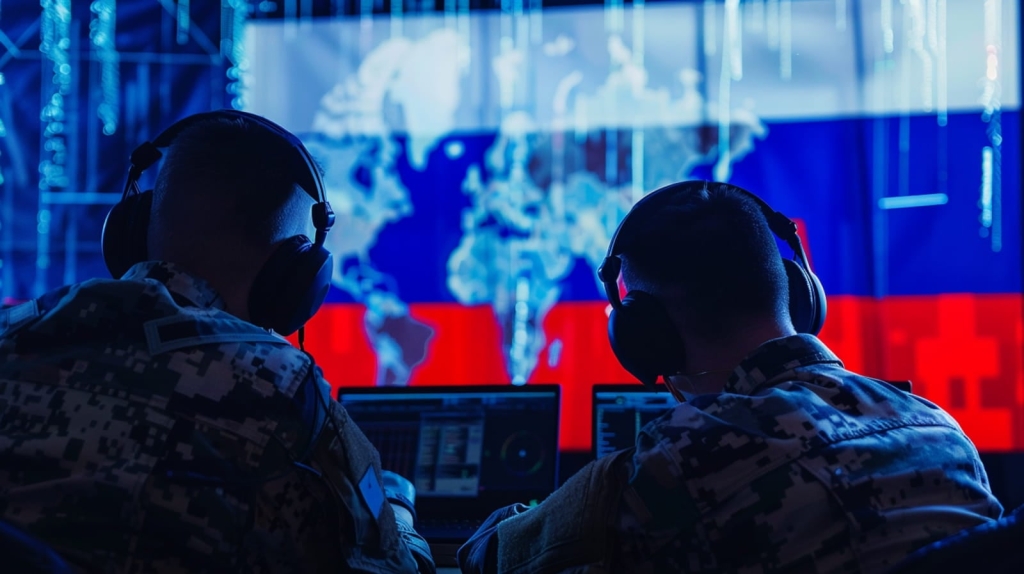
Russian Military Hackers Target Ukraine with Zimbra Zero-Day Exploit in Sophisticated Phishing Campaign
In a chilling display of cyber warfare sophistication, Russian military intelligence hackers have unleashed a devastating zero-day exploit against Ukrainian government infrastructure, marking yet another escalation in the ongoing digital battlefield between Moscow and Kyiv. The attack, attributed to APT28 (also known as Fancy Bear or Strontium), represents a calculated assault on critical Ukrainian systems through a previously unknown vulnerability in the widely-used Zimbra Collaboration Suite.
The vulnerability, tracked as CVE-2025-66376, is a stored cross-site scripting (XSS) flaw that allows unauthenticated attackers to achieve remote code execution on vulnerable Zimbra servers. This high-severity security hole, which was patched by Zimbra in early November 2025, has now been weaponized in what security researchers are calling “Operation GhostMail” – a campaign specifically targeting Ukrainian government entities and critical infrastructure.
The attack chain is deceptively simple yet remarkably effective. Hackers craft phishing emails that appear completely benign at first glance. There are no malicious attachments, no suspicious links, no macros to trigger security alerts. Instead, the entire attack payload lives within the HTML body of a single email message. When a victim opens the email in a vulnerable Zimbra webmail session, an obfuscated JavaScript payload silently executes in their browser.
Once activated, this malicious script begins harvesting a treasure trove of sensitive information. The malware captures login credentials, session tokens, backup two-factor authentication codes, browser-saved passwords, and even the contents of the victim’s mailbox going back 90 days. All of this data is exfiltrated through both DNS and HTTPS channels, making detection extremely difficult.
The Ukrainian State Hydrology Agency, a critical infrastructure entity under the Ministry of Infrastructure that provides essential navigational, maritime, and hydrographic support, was among the primary targets of this campaign. The agency’s compromise could potentially disrupt vital services that Ukraine’s economy and defense operations depend upon.
This latest attack is part of a disturbing pattern of Russian state-sponsored groups targeting Zimbra vulnerabilities. The Russian Winter Vivern cyberespionage group, for instance, has been exploiting Zimbra flaws since February 2023 to breach webmail portals and spy on communications of NATO-aligned organizations. Their targets have included government officials, military personnel, and diplomats across Europe and North America.
Even more concerning, in October 2024, U.S. and U.K. cyber agencies issued urgent warnings about APT29 (also known as Cozy Bear or Midnight Blizzard) hackers linked to Russia’s Foreign Intelligence Service (SVR) conducting “mass scale” attacks against vulnerable Zimbra servers. These hackers were exploiting a different vulnerability previously used to steal email account credentials from thousands of organizations worldwide.
The widespread nature of these attacks underscores Zimbra’s critical role in global communications infrastructure. The email and collaboration software suite serves hundreds of millions of users worldwide, including hundreds of government agencies and thousands of businesses across every continent. Its popularity makes it an attractive target for state-sponsored threat actors seeking to gather intelligence, disrupt operations, or establish persistent access to sensitive networks.
The U.S. Cybersecurity and Infrastructure Security Agency (CISA) has taken the unusual step of adding CVE-2025-66376 to its catalog of vulnerabilities known to be actively exploited in the wild. Federal Civilian Executive Branch agencies have been ordered to secure their Zimbra servers within two weeks under Binding Operational Directive 22-01, highlighting the severity of the threat.
What makes this particular attack so concerning is its combination of technical sophistication and strategic targeting. The use of a zero-day exploit demonstrates significant resources and capabilities on the part of the attackers. The careful selection of Ukrainian government and critical infrastructure targets suggests a coordinated intelligence-gathering operation with clear geopolitical objectives.
For cybersecurity professionals and system administrators, this attack serves as a stark reminder of the importance of prompt patching and robust email security measures. Organizations using Zimbra Collaboration Suite should immediately verify they’re running the latest patched versions and implement additional security controls such as email filtering, user awareness training, and network monitoring for suspicious DNS or HTTPS traffic patterns.
The broader implications of this campaign extend far beyond Ukraine’s borders. As state-sponsored cyber operations become increasingly sophisticated and targeted, organizations worldwide must assume they could be next. The blurred lines between espionage, sabotage, and warfare in cyberspace mean that today’s Ukrainian government targets could easily become tomorrow’s corporate or civilian infrastructure victims.
This latest chapter in the ongoing cyber conflict between Russia and Ukraine represents not just a technical achievement by APT28 hackers, but a strategic maneuver in a larger geopolitical struggle being waged in the digital realm. As these attacks continue to evolve in sophistication and scale, the global community must remain vigilant and prepared for the next wave of state-sponsored cyber operations.
Tags: Russian hackers, APT28, Fancy Bear, Strontium, Zimbra vulnerability, CVE-2025-66376, Ukraine cyber attack, Operation GhostMail, cross-site scripting, remote code execution, state-sponsored hacking, GRU, military intelligence, phishing campaign, zero-day exploit, cybersecurity threat, critical infrastructure attack, NATO espionage, Cozy Bear, Midnight Blizzard, Winter Vivern, cyber warfare, digital battlefield
Viral Sentences:
“Russian military hackers just weaponized a Zimbra zero-day to silently steal Ukrainian government secrets”
“Operation GhostMail: How APT28 is using invisible email attacks to compromise critical infrastructure”
“This isn’t just hacking—it’s cyber warfare at its most sophisticated”
“When your email opens the door to state-sponsored espionage”
“The new front line: How Russian hackers are targeting your inbox”
“Zero-click compromise: The email attack that needs no attachment”
“From Ukraine to your network: Why this Zimbra exploit matters globally”
“State-sponsored hackers don’t send spam—they send silent destruction”
“The vulnerability hiding in plain sight: Why your email server could be next”
“When patching isn’t enough: The evolving threat of Russian cyber operations”
,


Leave a Reply
Want to join the discussion?Feel free to contribute!