
Online bot traffic will exceed human traffic by 2027, Cloudflare CEO says
AI Bots Are Taking Over the Internet: Human Traffic to Be Surpassed by 2027
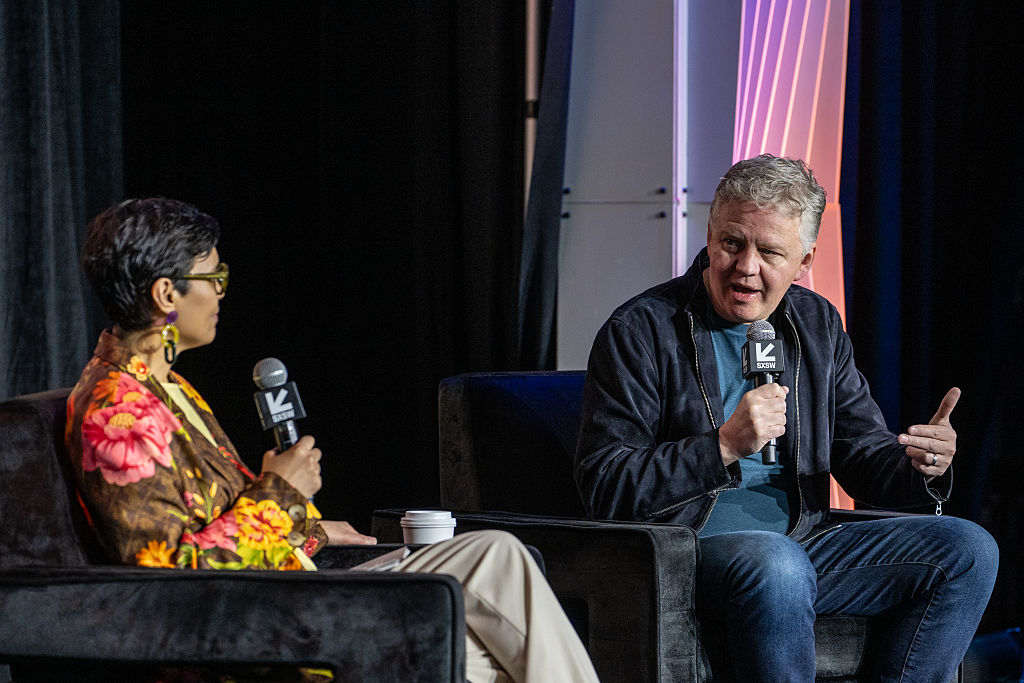
The internet as we know it is undergoing a seismic shift. In a recent interview at SXSW in Austin, Cloudflare CEO Matthew Prince dropped a bombshell prediction: by 2027, artificial intelligence bots will generate more web traffic than humans. This revelation marks a pivotal moment in the evolution of the digital landscape, signaling a future where our online interactions are increasingly mediated by intelligent agents rather than direct human engagement.
The Bot Boom: Understanding the Surge
To grasp the magnitude of this transformation, consider how AI bots operate compared to human users. When an average person shops for a digital camera, they might visit five websites to compare options, read reviews, and make a decision. An AI agent performing the same task would visit approximately 5,000 sites—a thousand times more than a human would. This exponential increase in web crawling activity is already happening and will only accelerate as AI technology becomes more sophisticated and ubiquitous.
“Before the generative AI era, the internet was only about 20% bot traffic,” Prince explained. “With the rise of generative AI and its insatiable need for data, we’re seeing a rise where we suspect that, in 2027, the amount of bot traffic online will exceed the amount of human traffic that’s online.”
This isn’t just about quantity—it’s about the fundamental nature of how information is accessed and processed. AI bots can scan, analyze, and synthesize information from thousands of sources in the time it would take a human to visit a handful of sites. This capability is driving the explosive growth in bot traffic as businesses and individuals increasingly rely on AI assistants for research, shopping, planning, and countless other tasks.
The Infrastructure Challenge
The implications of this bot-dominated future extend far beyond simple traffic statistics. Prince highlighted that this shift will require entirely new technological infrastructure. One of the most intriguing concepts he mentioned is the development of “sandboxes” for AI agents—isolated computing environments that can be spun up instantly and torn down when no longer needed.
Imagine asking your AI assistant to plan a vacation. Instead of the AI simply providing recommendations based on pre-existing knowledge, it would create a temporary sandbox environment where it could run thousands of parallel searches, compare prices across hundreds of booking sites, analyze weather patterns, check local events, and synthesize all this information into a personalized itinerary. Once the task is complete, the entire computational environment would be dismantled, ready to be recreated for the next request.
“We’re trying to think about how we actually build that underlying infrastructure where you can—as easily as you open a new tab in your browser—you can actually spin up new code, which can then run and service the agents that are out there,” Prince said. He envisions a future where millions of these agent sandboxes would be created every second, representing an unprecedented scale of computational activity.
Lessons from the Past: The COVID Parallel
To understand the potential impact of this bot-driven traffic surge, Prince drew parallels to the COVID-19 pandemic’s effect on internet usage. During lockdowns, as people worldwide shifted to remote work and entertainment, internet traffic spiked dramatically. Video streaming services like YouTube, Disney+, and Netflix saw enormous increases in usage, pushing internet infrastructure to its limits in some regions.
“What’s different now,” Prince noted, “is that this growth is more gradual, but unlike COVID where it spiked over two weeks and then plateaued at the new high, we’re seeing internet traffic grow and grow and grow, and we don’t see anything that’s going to slow it down or stop it.”
This sustained, exponential growth in traffic—driven primarily by AI bots—presents unique challenges for internet infrastructure providers. Data centers will need to scale massively, network capacity will need to expand, and new technologies will need to be developed to handle the increased computational load efficiently.
The Platform Shift Paradigm
Prince emphasized that AI represents more than just another technological trend—it’s a fundamental platform shift comparable to previous transitions like the move from desktop to mobile computing. “I think the thing that people don’t appreciate about AI is it’s a platform shift,” he said. “AI is another platform shift… the way that you’re going to consume information is completely different.”
This perspective reframes the bot traffic phenomenon not as a temporary anomaly but as the beginning of a new computing paradigm. Just as mobile devices changed how we interact with digital services—favoring apps over websites, touch interfaces over mouse clicks—AI agents will transform how we access and process information online.
Cloudflare’s Role in the New Internet
As the CEO of Cloudflare, a company whose infrastructure and security services are used by one-fifth of all websites, Prince’s insights carry particular weight. Cloudflare’s business model—helping websites stay highly available, load quickly, and remain safe from attacks—positions it perfectly to benefit from and contribute to solutions for the bot-dominated future.
The company already offers tools to help businesses manage AI bot traffic, including options to block unwanted AI crawlers. However, Prince’s vision suggests that the industry will need to move beyond simple blocking toward more sophisticated approaches that can differentiate between beneficial and harmful bot activity, manage resource allocation dynamically, and ensure fair access to web resources.
The Human Element: What This Means for Users
For everyday internet users, this shift raises important questions about privacy, control, and the nature of online interaction. As AI agents increasingly mediate our access to information, how will this affect our ability to discover new content serendipitously? Will personalized AI recommendations create filter bubbles that limit our exposure to diverse perspectives? How will businesses adapt their online presence to cater to both human visitors and AI agents?
The answer likely involves a delicate balance between leveraging AI’s efficiency and maintaining the human-centric aspects of the internet that have made it such a powerful tool for connection, creativity, and discovery. As we move toward a future where bots may outnumber humans online, preserving spaces for genuine human interaction and ensuring that AI serves to enhance rather than replace human agency will become increasingly important challenges.
Looking Ahead: Preparing for 2027 and Beyond
Prince’s prediction sets a concrete timeline for what many in the tech industry have sensed was coming: a fundamental restructuring of internet traffic patterns driven by AI. For businesses, this means preparing infrastructure to handle increased bot traffic, developing strategies to engage with AI agents, and potentially rethinking how content is structured and delivered online.
For developers and technologists, it signals the need to innovate in areas like edge computing, distributed processing, and intelligent resource management. The vision of millions of agent sandboxes spinning up every second requires advances in virtualization, containerization, and automated infrastructure management that are only beginning to emerge.
For policymakers and regulators, the bot-dominated internet raises questions about data usage, privacy, and the concentration of power in AI systems. As bots increasingly control how information flows online, ensuring transparency, fairness, and accountability in these systems will become critical societal concerns.
The Bottom Line
The prediction that AI bots will surpass human traffic by 2027 isn’t just a fascinating statistic—it’s a harbinger of the profound changes coming to our digital ecosystem. From the way we search for information to how businesses operate online, from the infrastructure that powers the internet to the very nature of human-computer interaction, we’re on the cusp of a transformation that will reshape our online experience in ways we’re only beginning to understand.
As Matthew Prince aptly summarized, “AI is another platform shift… the way that you’re going to consume information is completely different.” The bot takeover isn’t just coming—it’s already here, and the next few years will determine how we adapt to this new reality where our digital assistants may soon outnumber us in the spaces we once thought of as exclusively human.
Tags: AI bots, internet traffic, Cloudflare, Matthew Prince, generative AI, SXSW, bot traffic, human vs bot, artificial intelligence, web infrastructure, data centers, sandbox environments, platform shift, COVID internet usage, AI agents, online privacy, digital transformation, future of internet, bot dominance, 2027 prediction
Viral Sentences:
- “By 2027, AI bots will generate more web traffic than humans”
- “AI agents visit 1,000 times more sites than humans”
- “The internet is undergoing a fundamental platform shift”
- “Millions of agent sandboxes created every second”
- “Bot traffic growth is more gradual than COVID but never stopping”
- “AI’s insatiable need for data is reshaping the web”
- “The way you consume information is about to change completely”
- “We’re building infrastructure for a bot-dominated internet”
- “Human traffic may become the minority online”
- “The future of the internet is automated, intelligent, and bot-driven”
,

Leave a Reply
Want to join the discussion?Feel free to contribute!