
Crypto Clarity Act inches toward Senate hearing as lawmakers weigh legislative trades
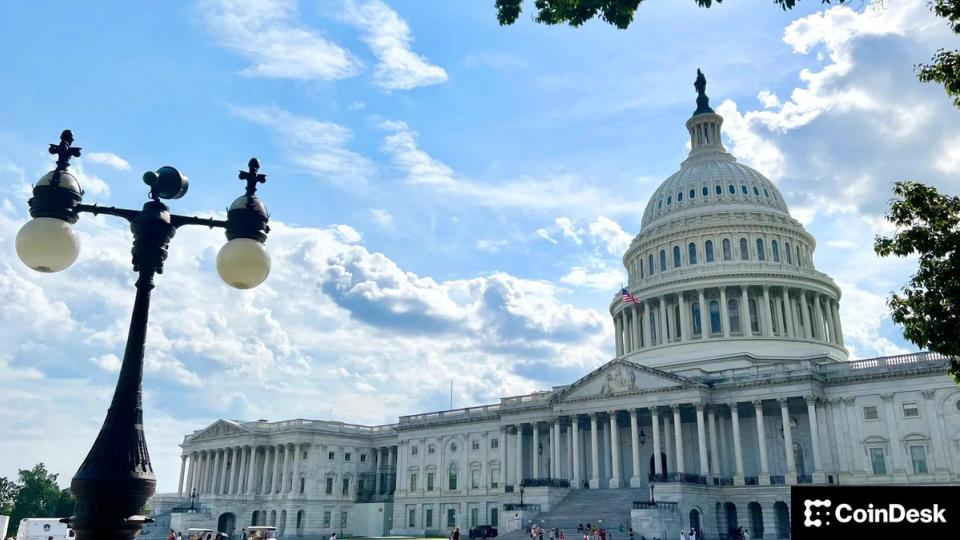
BREAKING: Senate Crypto Market Structure Bill Nears Final Stretch — White House and Republicans Locked in High-Stakes Negotiations
The long-awaited U.S. crypto market structure bill, known as the Digital Asset Market Clarity Act (CLARITY Act), is now teetering on the edge of a breakthrough — but not without a final round of intense negotiations between Republican lawmakers, the White House, and key industry stakeholders.
The Final Hurdles: What’s Holding It Back?
After weeks of near-resolution, Republican lawmakers convened behind closed doors on Thursday to iron out the last sticking points in the bill’s language. According to sources familiar with the matter, the White House is expected to receive updated legislative text as soon as this week, signaling that negotiators are inching closer to consensus.
The bill, which has been championed by pro-crypto Republicans like Senator Cynthia Lummis (R-WY), has faced resistance from both sides of the aisle. While the debate over stablecoin yield — a major flashpoint between bankers and crypto firms — is reportedly close to resolution, other issues remain unresolved.
Stablecoin Yield: The Sticking Point That Almost Broke the Deal
The controversy over how stablecoin rewards programs should be regulated has been the most visible obstacle. Traditional bankers argue that stablecoin yield offerings resemble interest-bearing deposits and should be subject to banking regulations. Meanwhile, crypto companies like Coinbase have pushed back, likening these rewards to credit card points rather than traditional interest.
Senator Lummis has taken a firm stance, suggesting that stablecoin rewards programs that avoid using bank-like language could survive the final compromise. “They’re more akin to credit-card rewards than interest from bank-account deposits,” Lummis stated, signaling a potential middle ground.
Sources say that Coinbase CEO Brian Armstrong, whose opposition to an earlier draft helped derail previous efforts, has shown more flexibility in recent talks. However, Coinbase has not yet commented on its current position.
Beyond Stablecoins: DeFi and Housing Provisions Enter the Mix
While stablecoin yield may be nearing resolution, other complex issues loom. Decentralized Finance (DeFi) regulation remains a contentious topic, with lawmakers divided on how to approach decentralized protocols without stifling innovation.
Additionally, community bankers are reportedly seeking concessions tied to unrelated provisions in Congress’ recent housing legislation. According to Politico, these could include amendments that would benefit smaller financial institutions, potentially securing their support for the broader crypto bill.
The Political Chess Game: Democrats Demand Concessions
The bill’s path forward isn’t just a Republican affair. Democrats involved in the negotiations have made it clear they want significant concessions before lending their support. Their demands include:
- Banning senior government officials and lawmakers from profiting off personal crypto interests — a pointed reference to former President Donald Trump’s extensive crypto holdings and ventures.
- Appointing Democratic commissioners to vacant seats at the Commodity Futures Trading Commission (CFTC) before the agency adopts new crypto rules.
These demands could require significant political maneuvering, as they touch on both ethics reforms and the balance of power at key regulatory agencies. Crypto insiders expect these controversial points to be among the last matters settled, potentially becoming bargaining chips in final negotiations.
The Timeline: Can It Make It Through Congress This Year?
Senator Lummis remains optimistic, predicting the bill could advance out of the Senate Banking Committee by the end of April. However, even if it clears this crucial committee — the second panel that needs to advance the bill before it can reach the full Senate — additional hurdles remain.
The bill would need to be repackaged into a final version acceptable to both chambers, and then secure enough votes to pass the full Senate. Only then could it head to President Trump’s desk for a signature — assuming he’s still in office when it reaches that stage.
SEC’s Parallel Push: Regulatory Definitions Without Congressional Action
While Congress debates the CLARITY Act, the Securities and Exchange Commission (SEC) hasn’t been idle. This week, the SEC issued its first-ever taxonomy that sets out regulatory definitions for U.S. crypto assets, providing much-needed clarity on how different tokens and digital assets will be classified and regulated.
In a CoinDesk op-ed published Thursday, SEC Chairman Paul Atkins and the two Republican commissioners made it clear they’re eager for congressional action to back up their regulatory efforts. “Only Congress can rewrite the law, and we stand ready to work with [CFTC] Chairman Michael Selig to implement the CLARITY Act,” they wrote. “In the meantime, we are providing the responsible regulatory approach that markets demand.”
This parallel regulatory push highlights the urgency felt across Washington — both Congress and regulators want to provide the clarity that crypto markets desperately need, but they’re taking different paths to get there.
Why This Matters: The Stakes for the Crypto Industry
The CLARITY Act represents the crypto industry’s top policy priority, and for good reason. A comprehensive federal framework would:
- Provide legal certainty for crypto businesses operating in the U.S.
- Establish clear jurisdictional boundaries between the SEC and CFTC
- Create consumer protections while fostering innovation
- Potentially attract more institutional investment by reducing regulatory uncertainty
Without federal legislation, crypto companies face a patchwork of state regulations and ongoing enforcement actions from federal agencies operating under outdated securities laws. The industry has long argued that this regulatory uncertainty is driving innovation and jobs overseas.
What’s Next: The Final Push
As negotiations continue, all eyes are on the White House and key Republican negotiators. The coming weeks will determine whether the bill can maintain momentum or whether it will join the long list of crypto legislation that has stalled in Congress.
Industry insiders suggest that a breakthrough could come quickly once the remaining issues are resolved, but they also warn that the final stages of any major legislation are often the most precarious. Compromises that seemed impossible weeks ago may suddenly become acceptable when faced with the alternative of no bill at all.
The crypto industry, which has invested heavily in lobbying efforts and political donations, is watching closely. After years of regulatory uncertainty and enforcement actions, the promise of comprehensive federal legislation may finally be within reach — but only if lawmakers can bridge the final gaps in what has become a complex political and policy puzzle.
Tags: crypto regulation, CLARITY Act, stablecoin yield, DeFi regulation, SEC taxonomy, CFTC appointments, Cynthia Lummis, Brian Armstrong, Coinbase, crypto market structure, Digital Asset Market Clarity Act, Senate Banking Committee, White House negotiations, crypto legislation 2026, institutional crypto, regulatory clarity
Viral Sentences:
- “The crypto industry’s top policy priority is finally within reach — but only if lawmakers can bridge the final gaps.”
- “Democrats demand Trump’s crypto profits be banned before they’ll support the bill.”
- “Stablecoin yield debate heats up: bankers vs. crypto firms in high-stakes showdown.”
- “SEC drops first-ever crypto taxonomy while Congress debates comprehensive legislation.”
- “Coinbase CEO Brian Armstrong shows ‘more flexibility’ in crucial negotiations.”
- “The clock is ticking: Can crypto market structure pass before the end of 2026?”
- “Republicans meet behind closed doors to resolve final sticking points in landmark crypto bill.”
- “Crypto companies warn: Without federal framework, innovation and jobs will flee overseas.”
- “White House involvement signals crypto legislation may be closer than ever to reality.”
- “The DeFi dilemma: How to regulate decentralized finance without killing innovation.”
,


Leave a Reply
Want to join the discussion?Feel free to contribute!