
Macintosh IIfx speeds into stores: Today in Apple history
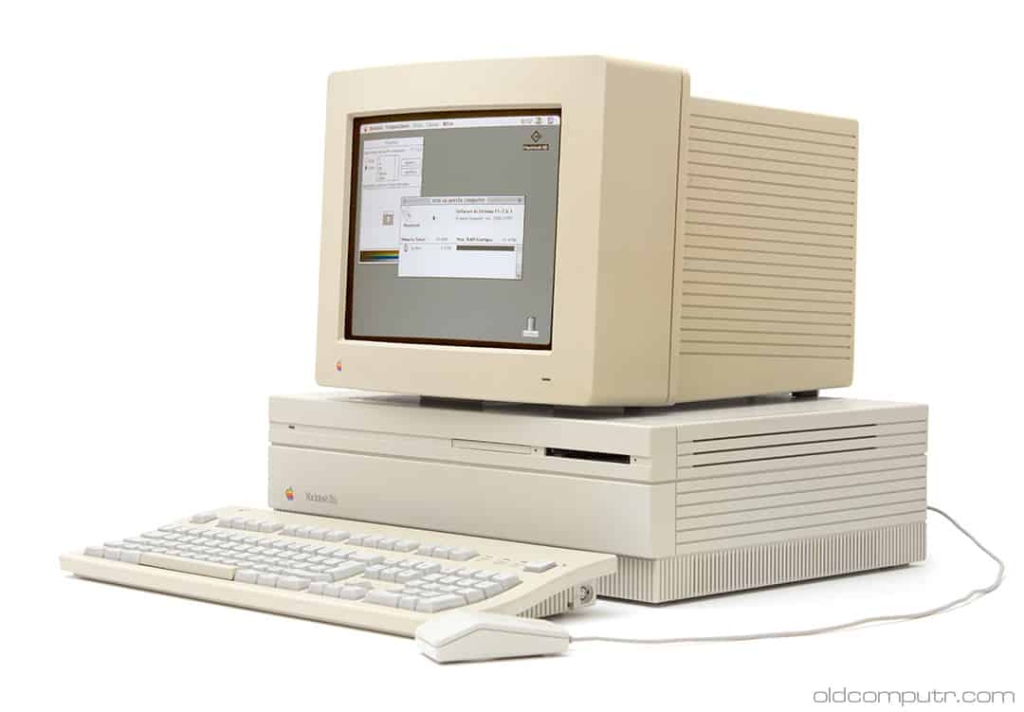
The Macintosh IIfx: Apple’s 1990 Powerhouse That Redefined Speed
On March 19, 1990, Apple unleashed the Macintosh IIfx upon the world—a machine so fast it made contemporary PCs look like they were running through molasses. With a base price of $9,870 (equivalent to over $24,000 today), this wasn’t just a computer; it was a statement of technological supremacy that would leave even modern enthusiasts drooling.
Breaking the Speed Barrier
The IIfx represented a quantum leap in Macintosh performance. At its heart pulsed a 40 MHz Motorola 68030 microprocessor paired with a 68882 floating-point co-processor. To put this in perspective, this was the equivalent of Apple claiming your new Mac could outrun a Sun Microsystems Sparcstation 1—high praise indeed for what was ostensibly a “personal” computer.
But Apple wasn’t done yet. The IIfx featured two dedicated I/O processors, each running at 10 MHz and built on the venerable 6502 architecture (yes, the same family that powered the original Apple II). These “peripheral interface controllers” handled the mundane tasks of managing the Apple bus, floppy drives, and serial ports, freeing the main CPU to focus on raw computational power. It was like having a pit crew for your processor.
The Snow White Swan Song
Design-wise, the IIfx marked the end of an era. It was the final computer to utilize Apple’s iconic “Snow White” design language, created by Hartmut Esslinger of Frog Design. Those distinctive vertical and horizontal stripes weren’t merely aesthetic—they created an optical illusion that made the machine appear smaller than its formidable specifications suggested. Esslinger’s design philosophy was all about making technology feel approachable while maintaining an air of sophistication.
The Workstation Dream That Almost Was
Apple had grand ambitions for the IIfx. They envisioned it breaking into professional markets—engineering firms, medical imaging departments, and even Wall Street power users would supposedly be lining up to harness this computational beast. The company dreamed of the IIfx becoming the Macintosh that finally cracked the corporate workstation market wide open.
Reality proved more stubborn. A September 1990 Computerworld article bluntly titled “Mac IIfx: Not yet to be feared” captured the situation perfectly. Despite its impressive specifications, the IIfx struggled to gain serious traction in professional environments. Apple had “underestimated the ferocity of the workstation market,” where established players like IBM and Digital Equipment Corporation had already built formidable ecosystems.
The IIfx was undeniably powerful, but it still lagged behind top-tier workstations from competitors. However, it found its true calling among Macintosh power users, particularly those in creative fields who needed serious graphics horsepower. For video editors, graphic designers, and digital artists of the era, the IIfx was the dream machine that made their cutting-edge work possible.
A Legacy of Innovation
The Macintosh IIfx held the title of fastest Mac available until October 1991, when Apple released the Quadra 900. But its influence extended beyond mere speed benchmarks. The IIfx demonstrated Apple’s commitment to pushing boundaries, to creating machines that weren’t just incrementally better but represented genuine leaps forward in what personal computers could achieve.
For anyone lucky enough to use an IIfx in 1990, there was simply nothing better. Apple continued selling this technological marvel until April 1992, giving it a respectable two-year run at the top of the Mac lineup.
Tags & Viral Elements
- 1990s tech nostalgia
- Vintage Apple computers
- Macintosh IIfx unboxing
- Retro computing revival
- Fastest Mac ever made
- 40 MHz monster
- Apple’s workstation ambitions
- Snow White design era
- Motorola 68030 power
- 6502 co-processors
- Tech that costs more than a car
- Before the Quadra era
- Creative professional powerhouse
- Apple’s forgotten flagship
- Computing history throwback
- Vintage Mac collecting
- 80s/90s tech flex
- Apple design evolution
- Retro tech restoration
- Macintosh museum piece
The IIfx wasn’t just a computer—it was Apple’s statement that the Macintosh could compete in the big leagues, even if the world wasn’t quite ready to accept that challenge. Today, it stands as a fascinating footnote in Apple’s journey toward becoming the tech giant we know today.
,


Leave a Reply
Want to join the discussion?Feel free to contribute!