
What to Do (And Not Do) When You Have a Splinter : ScienceAlert
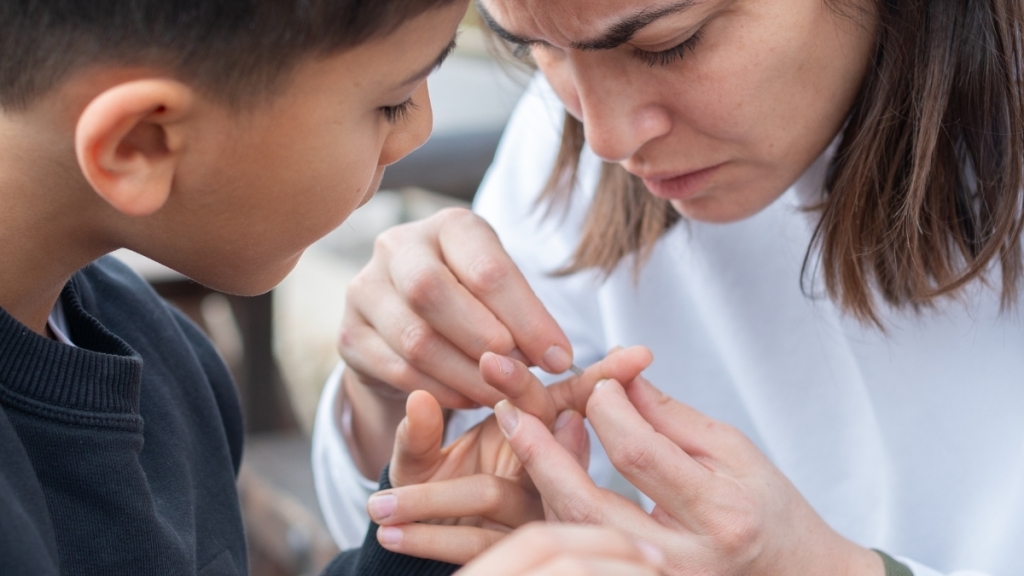
How to Remove a Splinter: The Definitive Guide to Pain-Free Extraction
Splinters—those tiny invaders that can turn a perfectly good day into an agonizing ordeal. Whether it’s a rogue wood shard, a sneaky piece of glass, or an unwelcome thorn, these microscopic menaces have the power to inflict disproportionate amounts of pain and frustration. But fear not, because we’ve got the ultimate, scientifically-backed guide to banishing those pesky splinters once and for all.
The Science Behind the Sting
What makes splinters so uniquely painful? The answer lies in our body’s incredible sensory network. The epidermis—our outermost skin layer—contains a dense concentration of pain receptors, but it’s the dermis underneath that really cranks up the agony. This deeper layer is packed with even more pain-sensing nerve endings, which is why even the tiniest splinter can feel like a red-hot poker.
Despite pain management being a cornerstone of modern medicine, splinters have somehow escaped serious scientific scrutiny. In 2004, frustrated clinicians noted that “no controlled studies have been done comparing different techniques, leaving physicians to rely on anecdotal experiences.” Even today, a search of medical literature reveals only scattered case studies and personal testimonies—a surprising gap in medical research for such a common problem.
The Viral “Hacks” You Should Ignore
Social media is awash with splinter removal “hacks” that promise miraculous results. TikTok is flooded with videos claiming you can extract splinters using vinegar, duct tape, glue, onion slices, or banana peels. While these methods might look impressive on camera, they lack scientific validation and could potentially cause skin irritation or allergic reactions.
The truth is refreshingly simple: you don’t need any fancy tricks or household items to remove a splinter effectively.
Location, Location, Location: The First Critical Decision
Before attempting any removal, assess where the splinter is located. This is your crucial first triage point.
Eye or eyelid splinters are medical emergencies. Do not attempt to flush or irrigate your eye at home. This requires sterile saline and professional expertise in a controlled medical environment. Seek immediate care through your general practitioner, urgent care clinic, or emergency department.
Splinters under fingernails or toenails (technically called “subungual splinters”) often require surgical removal due to their awkward positioning and the risk of infection.
What the Splinter Is Made Of Matters
The composition of your splinter determines your next steps.
Glass splinters require extra caution because they can shatter or break, leaving microscopic fragments that continue to cause pain, inflammation, or infection. These often need professional extraction.
Outdoor splinters from wood, thorns, or rusty metal carry tetanus risk. If you’re unsure about your vaccination status or it’s been more than ten years since your last booster, you may need a tetanus shot. Immunocompromised individuals or those who’ve had lymph node surgery should always seek medical attention, as they may require antibiotics.
The Essential Toolkit for Splinter Removal
If the splinter isn’t in a high-risk location and you can clearly see it, you’ll need just two things: tweezers and possibly a beveled needle (available at pharmacies).
For non-wood splinters, soaking the area in warm water for a few minutes can soften the skin and make extraction easier. Some recommend Epsom salts, baking soda, or hydrogen peroxide, though scientific evidence for these additions is lacking.
Important: Never soak wood splinters in water, as this causes them to swell and become more difficult to remove.
The Step-by-Step Extraction Protocol
Follow these precise steps for optimal results:
-
Wash your hands thoroughly with soap and water or use an alcohol-based hand sanitizer gel.
-
Sterilize your tools by rubbing or dipping the tips of your tweezers (and needle, if using) in the same sanitizer gel. Allow them to air dry completely—don’t place them down before use.
-
Magnify if necessary. If you need reading glasses to see clearly, use them. This prevents bumping the splinter (causing more pain) and ensures a proper grip with the tweezers. For metal splinters only, nail clippers can provide an alternative gripping method.
-
Remove following the path of entry. Pull the splinter gently back in the exact direction it entered. Don’t try to dig it out at an angle.
-
Clean the wound thoroughly with soap and water or an antiseptic solution after removal. Alcohol-based hand gel may cause stinging on the open wound.
-
Cover if necessary. If the area is bleeding, apply a plaster or small dressing.
When You’re Not Sure You Got It All
For surface-level splinters, you’ll likely see if the entire piece came out. However, splinters that enter at steep angles can be tricky to fully extract, and deep splinters might even require medical imaging to locate.
Post-Removal Monitoring: The Critical 48 Hours
After removal, watch for signs of infection over the next few days: persistent pain, redness, swelling, warmth, or discharge. Untreated wound infections can progress to sepsis—a potentially life-threatening condition where the body’s response to infection causes tissue damage and organ failure.
If you experience fever, chills, rapid heartbeat, or confusion following splinter removal, seek immediate medical attention.
Remember: while splinter removal might seem trivial, proper technique prevents complications and unnecessary pain. Sometimes the simplest approach is the most effective—no viral hacks required.
tags
SplinterRemoval #FirstAid #HealthTips #MedicalAdvice #PainRelief #SkinCare #InfectionPrevention #TetanusAwareness #HomeRemedies #MedicalMyths #ViralHealth #FirstAidTips #WoundCare #HealthHacks #EmergencyCare #MedicalKnowledge #SelfCare #HealthEducation #ViralContent #TrendingNow
viral
Splinter removal made simple! Say goodbye to painful wood shards and glass fragments with these expert-approved techniques. No more wasting time on unproven hacks—just straightforward, effective methods that actually work. Perfect for parents, outdoor enthusiasts, and anyone who’s ever stepped on a rogue piece of wood. This guide is going viral because everyone needs to know how to handle this common injury correctly. Don’t let a tiny splinter ruin your day—master the art of pain-free extraction today!
trending
Everyone’s talking about this game-changing splinter removal guide! Medical experts finally reveal the truth about those viral “hacks” you’ve seen on TikTok. Spoiler alert: most of them don’t work and could actually harm you. The internet is buzzing about these simple, science-backed techniques that anyone can master. Parents especially are sharing this because it solves one of childhood’s most common (and painful) problems. Join the conversation and learn why sometimes the old-fashioned way is still the best way!
facts
Did you know that the dermis layer of your skin has even more pain receptors than the epidermis? That’s why splinters hurt so much! Here’s another shocker: despite being such a common injury, there are virtually no scientific studies comparing different splinter removal techniques. Medical professionals have been relying on anecdotal evidence for decades! And those viral hacks you’ve seen online? Most lack any scientific backing whatsoever. The truth is surprisingly simple—all you really need is clean tweezers and proper technique. Sometimes the facts are less exciting than the myths, but they’re definitely more effective!
,


Leave a Reply
Want to join the discussion?Feel free to contribute!