
Sam Bankman Fried’s past political cash gives AI PAC fuel for going after NY state lawmaker Bores
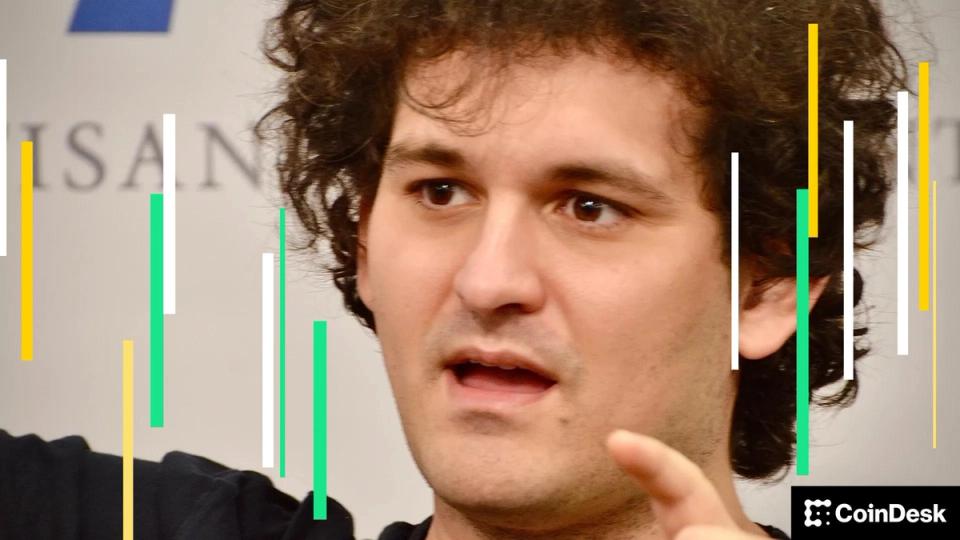
BREAKING: Sam Bankman-Fried’s Shadow Looms Over New York Congressional Race as Tech PAC Targets AI Safety Advocate
In a dramatic escalation of New York’s most contentious Democratic primary, a tech-aligned political action committee is weaponizing the disgraced FTX founder’s name to undermine a leading congressional candidate—raising urgent questions about crypto’s lingering political influence and the battle for AI’s future in Washington.
The Attack Unfolds
A blistering mailer from Think Big PAC has thrust New York Assemblymember Alex Bores into the center of a political firestorm, linking him to the disgraced crypto mogul Sam Bankman-Fried just as he mounts a serious challenge for New York’s 12th Congressional District seat. The glossy political hit piece, circulating in Manhattan mailboxes this week, doesn’t mince words: it accuses Bores of receiving over $100,000 from Bankman-Fried’s political network and declares bluntly that “Bankman-Fried’s buddies are bankrolling Bores for Congress.”
The timing couldn’t be more consequential. Bores finds himself locked in a bruising Democratic primary against a star-studded field that includes Jack Schlossberg, the Kennedy family scion, and George Conway, the prominent conservative attorney and husband of Trump advisor Kellyanne Conway. The race to succeed longtime Representative Jerry Nadler has become a proxy battle for the soul of the Democratic Party’s tech policy wing.
The PAC Behind the Push
Think Big PAC isn’t your typical political operation. This organization has positioned itself as the vanguard of pro-technology, pro-innovation politics, explicitly backing candidates who embrace artificial intelligence advancement while targeting those perceived as obstacles to technological progress. Their involvement signals that this isn’t merely a local congressional race—it’s become ground zero for competing visions of technology’s role in American governance.
The group has already demonstrated its willingness to spend big, pouring hundreds of thousands into attack ads that have painted Bores as an establishment figure out of touch with his constituents’ needs. Their earlier salvos focused on Bores’ previous employment at Palantir, the data analytics firm co-founded by Peter Thiel, but this latest offensive represents a significant escalation in both tone and substance.
The Bankman-Fried Connection
The allegations cut to the heart of one of crypto’s most enduring political controversies. Bankman-Fried and FTX executives were among the most prolific political donors of the 2022 election cycle, spreading millions across the political spectrum in what now appears as a desperate bid for regulatory favor before FTX’s spectacular implosion.
A comprehensive CoinDesk analysis revealed that 196 sitting members of Congress—over one-third of the legislative body—received campaign contributions from Bankman-Fried or his associates during that cycle. The scope of this crypto-political web has haunted Washington, with many lawmakers facing uncomfortable questions about returning or redirecting tainted donations.
Bores stands out in this narrative as one of only two state-level New York candidates to receive support from Bankman-Fried-affiliated political action committees. The other recipient? Lieutenant Governor Antonio Delgado, now one of the state’s highest-ranking officials. This connection has proven politically toxic, particularly as Bankman-Fried’s fraud conviction and FTX’s bankruptcy continue generating headlines.
The AI Safety Legislation That Changed Everything
Sources close to the race suggest that Bores’ recent legislative push may have painted a target on his back. The assemblymember has emerged as one of New York’s most vocal advocates for AI safety and accountability, introducing comprehensive legislation that would establish guardrails around advanced artificial intelligence systems. His bill proposes mandatory safety testing, transparency requirements, and accountability frameworks that tech industry leaders have warned could stifle innovation.
This regulatory zeal appears to have made Bores persona non grata among certain tech circles. Think Big PAC’s messaging consistently frames him as hostile to technological progress, positioning the race as a referendum on whether Washington should embrace or constrain AI development. The group’s strategy seems clear: neutralize a potential congressional advocate for AI regulation before he reaches Capitol Hill.
The Kennedy Factor
The primary’s high-profile nature has attracted unprecedented attention and resources. Jack Schlossberg’s candidacy alone has transformed the race, bringing the Kennedy political brand back to New York after decades. His presence has energized progressive voters while also drawing scrutiny to his relatively thin policy portfolio and questions about his commitment to representing the district’s diverse constituencies.
Meanwhile, George Conway’s entry added another layer of complexity, potentially splitting the anti-Trump vote while bringing his own baggage from years of high-profile legal battles and public feuds with former President Donald Trump. The crowded field has created an environment where negative attacks gain outsized influence, as candidates struggle to differentiate themselves in a pack of qualified contenders.
Bores’ Campaign Strategy Under Siege
The Think Big PAC’s assault represents a sophisticated information operation that goes beyond traditional political mudslinging. By connecting Bores to Bankman-Fried, they’re tapping into the crypto industry’s broader campaign to rehabilitate its image and prevent the implementation of stringent regulations that many in the industry view as existential threats.
Bores’ campaign has mounted a vigorous defense, sending cease-and-desist letters to television stations airing Think Big’s advertisements and accusing the PAC of disseminating “false and defamatory statements.” However, the effectiveness of these legal maneuvers remains questionable, as Super PACs operate with considerable latitude in their political messaging under current campaign finance laws.
The assemblymember’s team has also struggled to control the narrative around his Bankman-Fried connection. While Bores has acknowledged receiving support from the crypto executive’s network, his campaign has been reluctant to provide detailed accounting of these relationships, potentially fueling suspicions among voters already wary of crypto’s political influence.
The Broader Implications
This race encapsulates several critical tensions reshaping American politics. First, it highlights the crypto industry’s determination to maintain political influence despite the FTX scandal, suggesting that the sector views regulatory battles as existential rather than merely competitive. Second, it represents an early skirmish in what promises to be a protracted battle over AI governance, with powerful interests mobilizing to prevent the implementation of safety regulations they view as innovation-killing.
The Think Big PAC’s intervention also raises questions about the role of dark money in shaping technology policy. By operating as a Super PAC, the organization can accept unlimited contributions while maintaining donor secrecy, allowing tech industry interests to influence elections without public accountability.
The Path Forward
As the June primary approaches, Bores faces a critical decision: whether to double down on his AI safety advocacy and risk further alienating tech-aligned donors and voters, or moderate his positions to neutralize Think Big’s attacks. His response will likely determine not just his congressional prospects but also signal to other progressive candidates whether advocating for tech regulation carries prohibitive political costs.
The race has also exposed fault lines within the Democratic Party, pitting traditional labor and consumer advocacy interests against the growing influence of tech-industry aligned donors and strategists. This tension mirrors similar battles playing out in other high-profile primaries across the country, suggesting that 2026 could become a watershed year for technology policy in American politics.
For voters in New York’s 12th District, the choice has become starker than ever: support a candidate with ties to a disgraced crypto executive who advocates for AI safety, or back alternatives who may be more aligned with unfettered technological development. As attack ads continue flooding the airwaves and mailboxes, one thing is clear—the battle over technology’s future is being fought not just in corporate boardrooms and academic conferences, but in the gritty trenches of American electoral politics.
The outcome of this race could reverberate far beyond Manhattan’s borders, potentially determining whether Congress moves toward comprehensive AI regulation or maintains a hands-off approach that many in Silicon Valley prefer. In an era where artificial intelligence’s impact on society grows more profound by the day, the stakes could hardly be higher—and the combatants show no signs of backing down.
viral tags and phrases:
- Sam Bankman-Fried political comeback attempt
- crypto industry’s revenge campaign
- AI safety vs innovation battle
- New York’s most controversial primary
- Think Big PAC’s secret donors
- Bankman-Fried’s political zombie army
- the $100,000 question haunting Bores
- crypto’s last stand in Washington
- AI regulation’s political price tag
- the Kennedy vs crypto showdown
- Bores’ $100K Bankman-Fried connection
- tech industry’s dark money machine
- FTX fallout continues to haunt Democrats
- the race that could reshape AI policy
- crypto’s political undead
- Manhattan’s tech policy battleground
- the battle for AI’s soul in Congress
- Bankman-Fried’s political fingerprints
- Super PAC’s AI safety assassination attempt
- New York’s crypto-connected primary
,


Leave a Reply
Want to join the discussion?Feel free to contribute!