
There Aren’t a Lot of Reasons to Get Excited About a New Amazon Smartphone
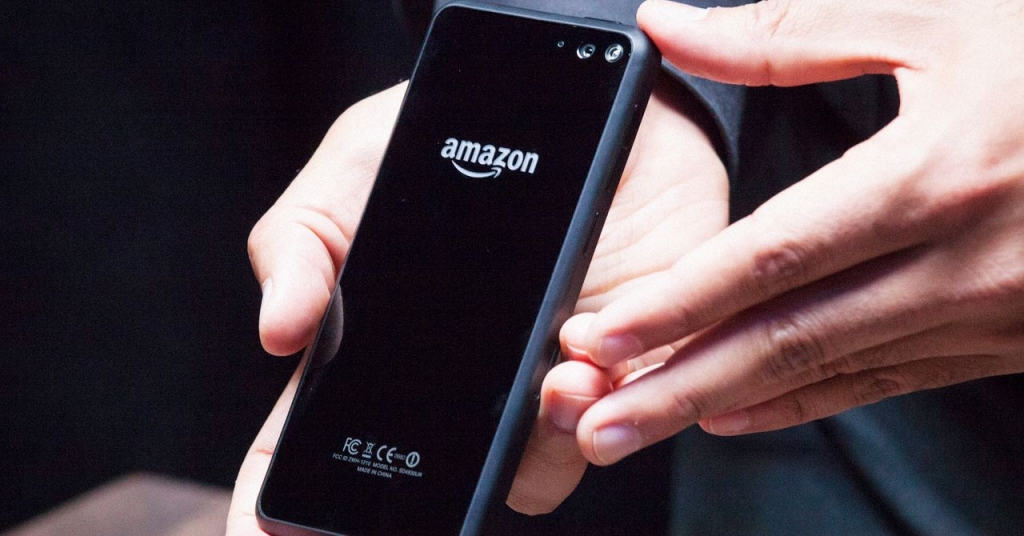
Amazon’s Potential Smartphone: A Privacy Nightmare in Disguise?
In the ever-evolving landscape of technology, few companies have managed to weave themselves so deeply into the fabric of our daily lives as Amazon. From e-commerce to cloud computing, smart home devices to streaming services, Amazon’s reach is vast and ever-expanding. Now, rumors are swirling about a potential Amazon smartphone, a move that could have far-reaching implications for both the company and its users. But is this a step forward for innovation, or a giant leap backward for consumer privacy?
The Privacy Paradox
At the heart of the debate surrounding an Amazon smartphone lies a fundamental question: Can a company that thrives on data collection truly prioritize user privacy? According to cybersecurity expert Gamero-Garrido, the answer is a resounding no. “This is not a consumer device company that takes privacy very seriously,” he states bluntly. This sentiment is particularly concerning when we consider the ubiquity of smartphones in our lives. Unlike Alexa or Kindle devices, which we use in specific contexts, smartphones are our constant companions, privy to our most intimate conversations and personal information.
The potential for privacy violations is staggering. An Amazon smartphone could “significantly increase the scale of the potential privacy harms,” as Gamero-Garrido points out. This isn’t just about targeted advertising anymore; it’s about the collection and potential misuse of deeply personal data on an unprecedented scale.
Data-Gathering Tool or Trojan Horse?
One of the most alarming aspects of Amazon’s potential foray into smartphones is the possibility of using the device as a data-gathering tool. Gamero-Garrido suggests that Amazon could leverage its new Transformer technology to glean insights into how people use their devices, build its advertising network, and compete with tech giants like Alphabet and Meta. These companies are already under intense regulatory scrutiny in the European Union and California, raising questions about the ethical implications of Amazon’s potential move.
The Fire TV approach offers a glimpse into how Amazon might execute this strategy. By integrating its operating system into third-party TVs or offering it via a dongle, Amazon collects data regardless of whether the TV was purchased directly from them. This model could easily translate to the smartphone market, either through a “phone supplement device” or by installing Amazon’s operating system on other phones or “light” phones built by third parties.
Centralizing Network Traffic: A Double-Edged Sword
The ultimate goal of this strategy, according to Gamero-Garrido, is to centralize all network traffic through Amazon’s infrastructure. While this could potentially improve the user experience by optimizing data flow and reducing latency, it also gives Amazon unprecedented control over the data flowing through its devices. This level of control could significantly enhance Amazon’s advertising business, allowing for more targeted and effective ads based on a wealth of user data.
The implications of this are far-reaching. If Amazon can detect when a person is sick from the sound of their voice, as evidenced by a real patent the company owns, it could recommend specific cold medicine from Amazon Health. But when this technology is powered by a device you carry everywhere, the potential for misuse skyrockets. Amazon could listen to more of your conversations and serve you even more targeted ads, creating a feedback loop of data collection and monetization.
Consumer Acceptance: The Elephant in the Room
Despite these concerns, there’s a growing acceptance among consumers when it comes to Amazon’s hardware. Kassem Fawaz, an associate professor at the University of Wisconsin, Madison, who researches security and privacy in consumer devices, notes that “when it comes to products, unfortunately, consumers value utility and price over privacy.”
This attitude presents a significant challenge for those advocating for stronger privacy protections. As long as consumers prioritize convenience and cost-effectiveness over data security, companies like Amazon will have little incentive to change their practices. This dynamic creates a vicious cycle where privacy concerns are consistently outweighed by the allure of innovative, affordable technology.
The Panos Panay Factor
One wild card in this scenario is Amazon’s Devices & Services lead, Panos Panay. Panay joined the company in 2023 after a successful stint at Microsoft, where he helped transform the Surface line of computers into an aspirational hardware brand. Known for his energetic and emotionally charged keynotes, Panay has already brought that same energy to a few Amazon hardware announcements, such as the Kindle Scribe Colorsoft.
However, he has yet to match the success of Surface. If Amazon is truly making a smartphone, it will need to generate a significant amount of passion and excitement to entice customers. As Jeronimo notes, “If someone can do it, it’s going to be Panos. For that, I have total confidence. He is the right person for these kinds of initiatives.”
The Road Ahead
As we look to the future, the potential release of an Amazon smartphone raises more questions than answers. Will consumers be willing to trade their privacy for the convenience of an all-encompassing Amazon ecosystem? Can Amazon navigate the complex regulatory landscape surrounding data privacy and antitrust concerns? And most importantly, can a company built on data collection truly prioritize user privacy?
Only time will tell. But one thing is certain: the release of an Amazon smartphone would mark a significant shift in the tech industry, with far-reaching implications for consumers, competitors, and regulators alike. As we stand on the brink of this potential revolution, it’s crucial that we remain vigilant about our privacy rights and demand transparency from the companies we entrust with our data.
In the end, the choice will be ours as consumers. Will we embrace the convenience of an Amazon smartphone, or will we prioritize our privacy and seek alternatives? The answer to this question could shape the future of technology and data privacy for years to come.
Tags: Amazon smartphone, privacy concerns, data collection, Transformer technology, Fire TV, network traffic, targeted advertising, Panos Panay, consumer privacy, tech industry, regulatory scrutiny, antitrust concerns, data security, innovation, convenience, ecosystem, transparency, data rights, technology revolution.
Viral Sentences:
- “Is Amazon’s potential smartphone a privacy nightmare in disguise?”
- “The privacy paradox: Can a data-hungry company truly protect user privacy?”
- “Amazon’s smartphone could be the ultimate data-gathering tool.”
- “Centralizing network traffic: Amazon’s path to advertising dominance?”
- “Consumer acceptance: Are we trading privacy for convenience?”
- “Panos Panay: The wild card in Amazon’s smartphone strategy.”
- “The road ahead: Navigating the complex landscape of tech and privacy.”
- “Will you choose convenience or privacy in the age of Amazon smartphones?”
,


Leave a Reply
Want to join the discussion?Feel free to contribute!