
The TV industry finally concedes that the future may not be in 8K
The Rise and Fall of 8K TVs: Why the Future of Television Never Quite Arrived
In the early 2010s, the tech world buzzed with excitement over the promise of 8K televisions. Manufacturers, content creators, and industry leaders all seemed to agree: 8K was the next big thing. Sharp debuted the first 8K TV prototype at CES in 2012, and by 2015, Japanese consumers could purchase the first commercial 8K TVs for a staggering 16 million yen (roughly $133,034 at the time). The race was on, and by 2018, Samsung had brought 8K to the U.S. market with a more “affordable” starting price of $3,500.
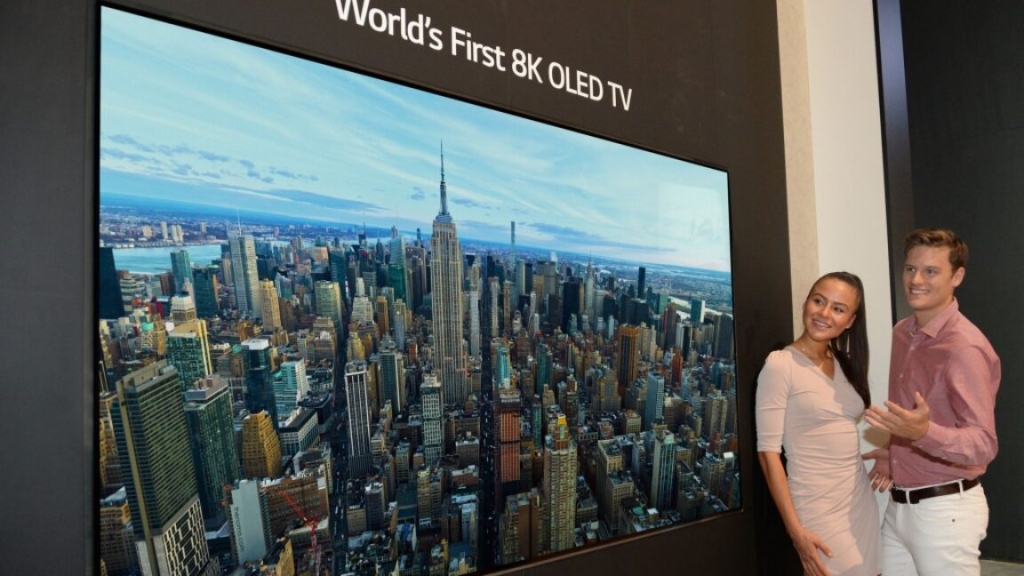
The industry doubled down on its commitment to 8K. VESA introduced DisplayPort 1.4 to support 8K resolutions, followed shortly by HDMI 2.1. Dell even released an 8K computer monitor in 2017, and LG made headlines in 2019 with the first 8K OLED TV. Marketing campaigns touted 8K as “the future of viewing,” promising an “unmatched cinematic experience” that would “pave the way” for the next generation of entertainment.
But here’s the twist: 8K never really took off. Despite the hype, the technology failed to prove its necessity or practicality for the average consumer. Fast forward to today, and the dream of 8K is fading fast.
LG Display, one of the pioneers of 8K technology, has officially stopped producing 8K LCD and OLED panels, according to a report from FlatpanelsHD. An LG Display representative explained that the company is “taking a comprehensive view of current display market trends and the trends within the 8K content ecosystem.” While they remain “fully prepared to respond immediately” if the market shifts, the writing is on the wall.
LG Electronics, which was the first and only company to sell 8K OLED TVs, has also scaled back its efforts. The company’s 2022 attempt to make 8K more accessible—by lowering the price of its 76.7-inch model to $13,000—failed to generate significant demand. Now, LG is reportedly discontinuing its last 8K LCD TV, the 2024 QNED99T.
Other major players have also abandoned the 8K race. TCL, which released its last 8K TV in 2021, cited low demand as the reason for stepping away from the technology. Sony discontinued its 8K TVs in April 2024 and is unlikely to return to the market, especially after announcing plans to sell the majority ownership of its Bravia TV division to TCL.
So, what went wrong? The answer lies in a combination of factors. First, there simply isn’t enough 8K content available. Streaming platforms, broadcasters, and even movie studios have been slow to adopt 8K, leaving consumers with little reason to upgrade. Second, the price point of 8K TVs remains prohibitively high for most buyers. Even as prices have dropped, they still far exceed those of 4K TVs, which offer a more than adequate viewing experience for the vast majority of users.
Finally, the human eye has its limits. For most people, the difference between 4K and 8K is nearly imperceptible, especially on screens smaller than 85 inches. Unless you’re sitting unusually close to a massive TV, the benefits of 8K are lost.
As the tech industry continues to evolve, it’s clear that 8K was a bold experiment that didn’t quite pay off. While the technology may find niche applications in professional settings or ultra-large displays, it’s unlikely to become a mainstream standard anytime soon. For now, 4K remains the sweet spot for most consumers, offering a perfect balance of quality, affordability, and content availability.
The story of 8K TVs serves as a reminder that not every technological leap is destined to succeed. Sometimes, the future isn’t what we expect—and that’s okay. After all, the best innovations are the ones that truly enhance our lives, not just the ones that sound impressive on paper.
Tags & Viral Phrases:
8K TV failure, why 8K TVs flopped, the end of 8K, LG quits 8K, Sony abandons 8K, TCL stops 8K production, 8K vs 4K, is 8K worth it, the future of TV, display technology trends, tech industry failures, why 8K never took off, 8K content shortage, overpriced 8K TVs, the truth about 8K, 8K is dead, tech hype vs reality, 8K TV disappointment, the rise and fall of 8K, why 8K failed consumers.
,

Leave a Reply
Want to join the discussion?Feel free to contribute!