
How the grid can ride out winter storms
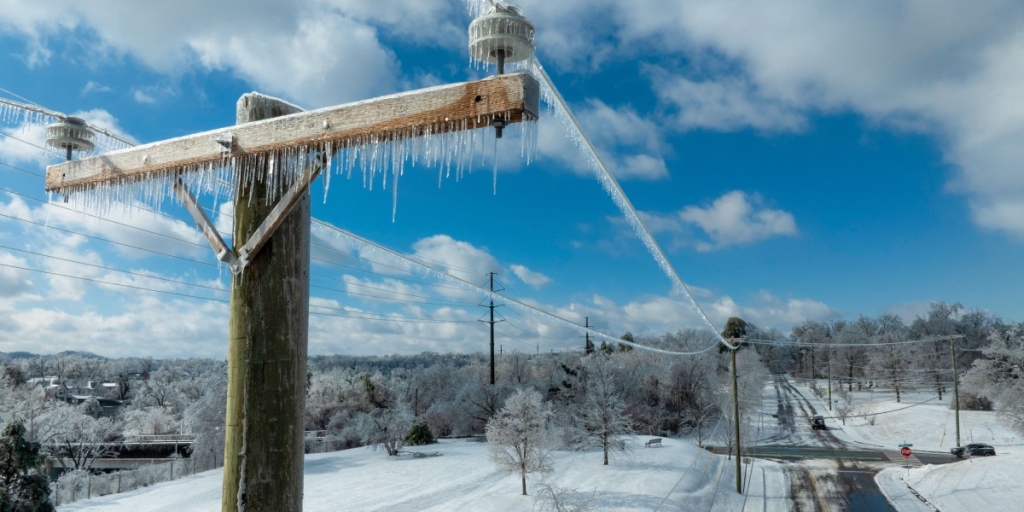
Texas Proves Grid Resilience is Possible—Here’s What the East Coast Can Learn
When Winter Storm Enzo swept across the United States last week, it exposed a stark contrast in grid preparedness between two regions. While the East Coast scrambled to keep the lights on through emergency measures and polluting backup generators, Texas—still haunted by the catastrophic 2021 winter blackout that left millions in the dark—emerged as an unlikely model of grid resilience.
From Disaster to Blueprint: Texas’s Grid Transformation
The difference between 2021 and 2025 is nothing short of remarkable. Three years ago, Texas’s isolated power grid collapsed under winter conditions, resulting in hundreds of deaths, billions in economic losses, and a national reckoning about infrastructure preparedness. This time, the Lone Star State stood firm.
“Texas fared much better this time around,” energy experts noted, and the numbers tell the story. The state implemented comprehensive winterization protocols for power plants and transmission systems—measures that should have been in place all along but were tragically absent in 2021. Power plants received insulation upgrades, critical equipment got weather protection, and operators underwent rigorous cold-weather training.
But the real game-changer has been Texas’s aggressive deployment of battery storage. The state has become America’s battery capital, adding massive amounts of energy storage capacity that proved invaluable during this winter’s peak demand periods. These batteries, particularly crucial during the early morning hours when solar generation is unavailable but heating demand spikes, provided the grid with unprecedented flexibility.
“The flood of batteries coming online has greatly helped the grid during winter demand peaks,” energy analysts report. This isn’t just incremental improvement—it’s a fundamental shift in how Texas manages its famously independent grid.
Weather also played a role in Texas’s success. While the storm was severe, it wasn’t as extreme as the 2021 event that pushed the grid past its breaking point. As one expert told Inside Climate News, “Texas was also simply lucky that this storm was less severe there.” But luck favors the prepared, and Texas’s investments meant it could capitalize on that relative break.
East Coast Grid Under Pressure: A Cautionary Tale
Meanwhile, the situation on the East Coast tells a different story. The snow may have stopped falling, but the grid remains under intense pressure as freezing temperatures continue to drive electricity demand to unprecedented levels.
PJM Interconnection, which serves 65 million people across 13 states from Illinois to New Jersey, faces what could be a historic challenge. The grid operator warned that power demand could peak at 130 gigawatts for seven consecutive days—a winter streak that PJM has never experienced in its history. This sustained high demand period represents a new frontier in grid management, one that existing infrastructure wasn’t necessarily designed to handle.
The federal government responded with emergency measures that highlight the severity of the situation. The U.S. Department of Energy issued emergency orders to several grid operators, including PJM, that essentially suspend normal emissions regulations. These orders allow power plants to operate at maximum capacity while ignoring typical environmental restrictions—a necessary evil to prevent blackouts but one that comes with significant environmental costs.
“The department also issued orders allowing several grids to tell data centers and other facilities to begin using backup generators,” according to utility reports. This represents a massive shift in grid management philosophy, essentially admitting that the primary grid cannot handle current demand without extraordinary measures.
These emergency actions are “good news for reliability but bad news for clean air and the climate,” experts caution. Backup generators typically run on diesel fuel and are among the most polluting sources of electricity. The irony is bitter: in trying to keep the lights on during extreme weather—weather that climate change is making more frequent and severe—we’re burning more fossil fuels and potentially making the problem worse.
Lessons from the Lone Star State
The contrast between Texas and the East Coast offers valuable lessons for grid operators nationwide. Texas’s experience demonstrates that comprehensive winterization, combined with strategic deployment of energy storage, can create a grid capable of withstanding severe weather events.
“More energy storage could be a major help in future winter storms, lending flexibility to the grid to help ride out the worst times,” energy experts emphasize. The timing of energy storage deployment proves crucial—batteries can discharge power precisely when renewable sources are unavailable and demand is highest, creating a buffer that traditional power plants cannot provide.
Offshore wind development represents another opportunity for the East Coast. Unlike solar, which produces minimal power during winter storms, offshore wind facilities typically generate reliable power in winter months when wind speeds are higher. The Northeast, with its extensive coastline and shallow continental shelf, is uniquely positioned to develop this resource.
“No one energy source will solve the massive challenge of building and maintaining a resilient grid,” energy analysts caution. The solution lies in a diversified approach that combines weatherization, energy storage, renewable energy, and modernized grid infrastructure. Texas’s success wasn’t about choosing one technology over another—it was about creating a comprehensive system that could adapt to various challenges.
The Climate Connection: Building Resilience for an Uncertain Future
The events of this winter storm season underscore a harsh reality: extreme weather events are becoming the new normal. Climate change is loading the dice, making severe storms more frequent and more intense. The grid failures we’re seeing aren’t just infrastructure problems—they’re climate adaptation challenges.
As we face the continued threat of extreme storms, renewables might actually help us weather them. Solar panels continue generating power even during cold weather (though snow coverage can be an issue), wind turbines often produce more power in winter, and battery storage provides the flexibility needed to match supply with demand in real-time.
The irony isn’t lost on energy experts: the very technologies that climate skeptics have dismissed as unreliable are proving essential for grid resilience during extreme weather events. Texas’s success story, in particular, challenges the narrative that renewable energy cannot provide reliable power during emergencies.
Looking Forward: The Path to Grid Resilience
The contrast between Texas and the East Coast this winter provides a roadmap for the future. First, comprehensive weatherization of existing infrastructure is non-negotiable. The 2021 Texas blackout proved that cutting corners on weather protection is a false economy—the costs of failure far exceed the costs of preparation.
Second, energy storage deployment must accelerate dramatically. Batteries provide the flexibility that rigid, traditional power systems cannot match. They can respond in milliseconds to grid fluctuations, store excess renewable energy for later use, and provide crucial backup during peak demand periods.
Third, grid operators need to embrace a diversified energy portfolio. Relying too heavily on any single energy source creates vulnerabilities. A mix of renewables, storage, and carefully managed fossil fuel backup provides the resilience needed for an uncertain climate future.
Finally, regulatory frameworks need to evolve. The emergency orders issued during this storm highlight the tension between environmental protection and grid reliability. Moving forward, we need regulations that can balance these competing priorities without forcing operators to choose between keeping the lights on and protecting public health.
The winter of 2025 may well be remembered as a turning point in American grid management. Texas showed what’s possible with proper preparation and investment. The East Coast showed what happens without it. The question now is whether we’ll learn from these contrasting experiences and build the resilient, clean energy grid that our changing climate demands.
tags
TexasGridSuccess #GridResilience #WinterStormPreparedness #EnergyStorageRevolution #ClimateAdaptation #CleanEnergyFuture #GridModernization #EmergencyPowerManagement #RenewableEnergyReliability #ClimateChangeImpact #GridInfrastructure #EnergySecurity #WinterWeather #PowerGridTechnology #SustainableEnergy #GridFlexibility #ClimateCrisis #EnergyInnovation #GridReliability #WeatherizationSuccess
oraciones virales
Texas went from grid failure to grid hero in just three years! #GridTransformation
The East Coast is learning the hard way that preparation beats emergency measures every time.
Battery storage isn’t just for summer peaks anymore—it’s winter’s new best friend!
When climate change makes storms worse, clean energy might be our best defense.
Texas proved that renewables can keep the lights on during the worst weather. #CleanEnergyWorks
Emergency orders mean the grid is failing. Let’s build something better instead.
The future of grid resilience is battery-powered, weatherized, and renewable-driven.
Three years ago Texas failed. Today it’s teaching the nation how to succeed.
Climate adaptation isn’t optional anymore—it’s grid survival.
The irony is perfect: fossil fuel backup is both the problem and the emergency solution.
Grid operators are choosing between blackouts and pollution. We need a third option.
Winter storms are getting worse, but our grid technology is finally catching up.
Texas’s battery boom is the quiet revolution that saved the grid this winter.
The East Coast grid is learning that seven days of 130 GW demand requires new solutions.
Clean energy resilience isn’t a dream—Texas is living it right now.
,


Leave a Reply
Want to join the discussion?Feel free to contribute!