
Carbon Dioxide ‘Pulses’ Clears Toxins From Parkinson’s Brains in Recent Study : ScienceAlert
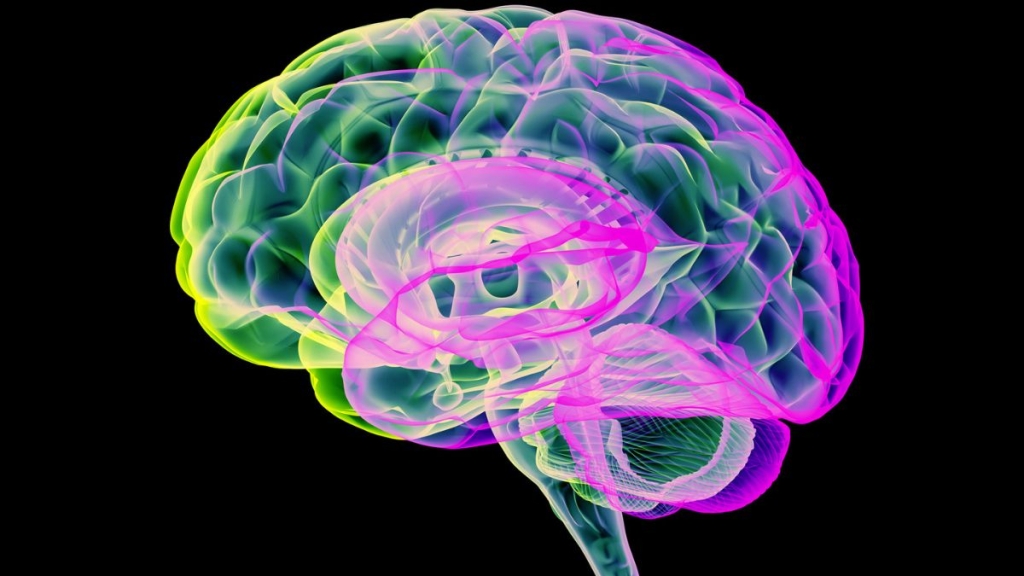
New Study Reveals Breathing CO₂ Could Boost Brain’s ‘Sewage System’ – And Potentially Ward Off Alzheimer’s and Parkinson’s
In a breakthrough that sounds almost too futuristic to be real, neuroscientists have discovered that manipulating the amount of carbon dioxide a person breathes can dramatically enhance the brain’s waste-clearance system — a recently discovered “sewage system” that may hold the key to preventing devastating neurological diseases like Alzheimer’s and Parkinson’s.
The study, led by researchers at the University of New Mexico and The Mind Research Network, offers a tantalizing proof-of-concept that intermittent exposure to CO₂-rich air can turbocharge the glymphatic system — the brain’s built-in waste disposal network that was only definitively identified in humans less than a decade ago.
The Brain’s Hidden Plumbing System
For years, scientists have known that sleep plays a critical role in brain health. But only recently did they discover why: during deep sleep, hidden waves of cerebrospinal fluid wash through the brain, flushing out toxic waste products like misfolded proteins that accumulate during waking hours.
This newly understood system — the glymphatic system — is now considered essential for preventing neurodegenerative diseases. In Alzheimer’s, amyloid-beta plaques build up; in Parkinson’s, alpha-synuclein aggregates form. Both are toxic waste products that, if not cleared efficiently, can lead to cell death and disease progression.
Why CO₂?
Here’s where it gets fascinating: fluctuating CO₂ levels in the blood cause blood vessels to rhythmically dilate and constrict. This movement appears to physically push cerebrospinal fluid through the brain’s waste channels, essentially “plunging” the brain’s plumbing system.
“We brainstormed how we could boost this response,” said neuropsychologist Sephira Ryman of UNM. “That is when we realized that we could reproduce, in the awake state, the glymphatic clearing response usually linked to deep sleep using intermittent CO₂.”
The Experiments: From Healthy Brains to Parkinson’s Patients
In the first phase, 63 older adults — 30 with Parkinson’s disease and 33 healthy controls — underwent MRI-BOLD brain imaging while breathing cycles of CO₂-rich air for 35 seconds, followed by normal air. The intervention, called intermittent hypercapnia, temporarily elevated blood CO₂ levels.
The results? In both healthy participants and those with Parkinson’s, cerebrospinal fluid flow patterns changed significantly, suggesting enhanced glymphatic clearance.
A second experiment with 10 participants (5 healthy, 5 with Parkinson’s) underwent three 10-minute sessions of intermittent hypercapnia. Blood samples taken 45, 90, and 150 minutes later showed increased waste products in the bloodstream — clear evidence that toxins were being flushed from the brain more efficiently.
The Alzheimer’s Connection
Perhaps most intriguingly, one participant showed elevated amyloid-beta proteins in their blood — a biomarker for Alzheimer’s disease. After intermittent hypercapnia sessions, their plasma levels of these toxic proteins rose substantially, suggesting enhanced clearance.
“Intermittent hypercapnia may be able to clear peptides and proteins implicated in Alzheimer’s, highlighting its potential as a disease-modifying therapy for Alzheimer’s patients,” the authors speculate in their paper published in NPJ Parkinson’s.
The Bigger Picture
This isn’t just about breathing differently — it’s about fundamentally rethinking how we approach brain health. The glymphatic system is now considered so crucial that some researchers believe dysfunction in this waste-clearance network may actually underlie neurodegenerative diseases, rather than simply being a consequence.
The implications are staggering: if we can manipulate this system while awake, we might be able to reduce the risk of Alzheimer’s and Parkinson’s, or even slow their progression in diagnosed patients.
What’s Next?
The research team is now investigating whether ancient practices like yoga, tai chi, and qigong — which emphasize controlled breathing and abdominal engagement — might produce similar effects on brain clearance through CO₂ modulation.
While the study is still in its early stages and it’s unclear whether these effects are long-lasting or clinically significant, the proof-of-concept is compelling. We may be looking at a simple, non-invasive intervention that could revolutionize brain health maintenance.
As our population ages and neurodegenerative diseases reach epidemic proportions, this research offers a glimmer of hope: sometimes, the most powerful interventions are the ones hiding in plain sight — or in this case, in every breath we take.
Tags & Viral Phrases:
- Brain’s sewage system
- Glymphatic system breakthrough
- CO₂ breathing therapy
- Flush brain toxins while awake
- Sleep replacement for brain cleaning?
- Alzheimer’s prevention hack
- Parkinson’s disease breakthrough
- Mind-blowing neuroscience discovery
- Simple breath technique could save your brain
- Ancient wisdom meets modern science
- Game-changing brain health research
- The future of preventing dementia
- Scientists figured out how to clean your brain
- This changes everything we know about brain health
- Why haven’t we tried this before?
,


Leave a Reply
Want to join the discussion?Feel free to contribute!