
This Common Bacterium Hiding in Your Mouth May Help Trigger Breast Cancer
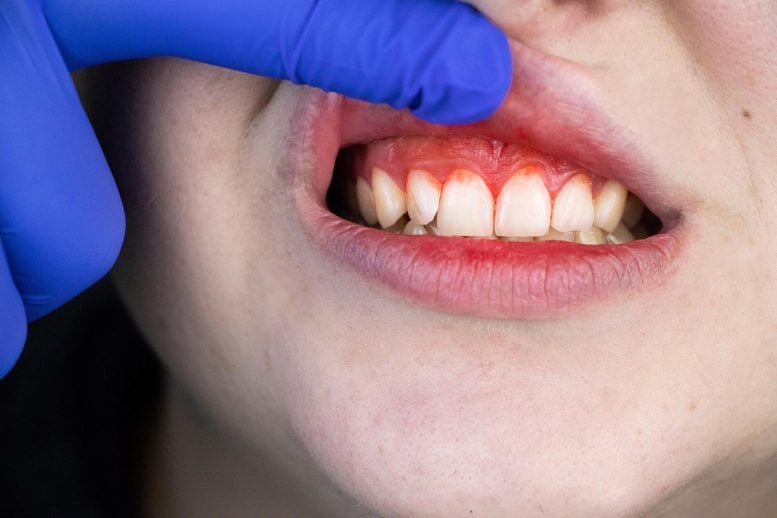
Groundbreaking Study Links Common Mouth Bacterium to Breast Cancer Onset and Aggressiveness
In a stunning development that could reshape our understanding of cancer’s origins, researchers at the Johns Hopkins Kimmel Cancer Center and the Bloomberg~Kimmel Institute for Cancer Immunotherapy have uncovered evidence suggesting that a bacterium commonly found in the human mouth may play a pivotal role in triggering breast cancer and accelerating its spread.
The bacterium in question, Fusobacterium nucleatum, has long been recognized as a primary culprit in periodontal disease—a chronic inflammatory condition affecting the gums. However, this new research suggests its influence extends far beyond oral health, potentially serving as a catalyst for one of the most common and deadly cancers affecting women worldwide.
Dr. Elaine Hernandez, lead researcher on the study, explained the significance of their findings: “What we’ve discovered is truly remarkable. This bacterium, which many people harbor in their mouths without even knowing it, appears to create a biological environment that not only initiates breast cancer but also makes it more likely to metastasize.”
The research team conducted a series of experiments using both cell cultures and mouse models. They found that F. nucleatum can enter the bloodstream through compromised gum tissue—a common occurrence in individuals with periodontal disease. Once in circulation, the bacterium appears to seek out and colonize breast tissue.
What makes this discovery particularly alarming is the bacterium’s apparent ability to manipulate the body’s immune response. Rather than triggering a defensive reaction, F. nucleatum seems to suppress local immune activity in breast tissue, creating what researchers describe as an “immune-privileged” environment where cancer cells can proliferate unchecked.
The study revealed several mechanisms through which the bacterium may contribute to cancer development:
First, F. nucleatum produces a protein called FadA, which binds to a specific receptor on healthy breast cells. This binding event appears to activate cellular pathways associated with inflammation and cell proliferation—two hallmarks of cancer development.
Second, the bacterium appears to interfere with the body’s natural tumor suppression mechanisms. In laboratory experiments, breast cells exposed to F. nucleatum showed reduced expression of genes responsible for DNA repair and cell cycle regulation.
Third, and perhaps most concerning, the research suggests that the bacterium may facilitate the spread of cancer to distant organs. In mouse models, animals infected with F. nucleatum showed significantly higher rates of lung metastasis compared to controls.
The implications of this research extend beyond breast cancer. Previous studies have linked F. nucleatum to colorectal cancer, and the Johns Hopkins team is now investigating potential connections to other cancer types.
Dr. Robert Kim, a periodontist not involved in the study, emphasized the broader health implications: “This research underscores the importance of oral health as an integral part of overall wellness. What happens in your mouth doesn’t stay in your mouth—it can have far-reaching consequences for your entire body.”
The timing of this discovery is particularly relevant given current public health trends. Periodontal disease affects nearly half of all adults over 30 in the United States, with prevalence increasing with age. Risk factors include smoking, diabetes, obesity, and poor oral hygiene—all of which are also associated with increased cancer risk.
For women, the statistics are sobering. Breast cancer remains the most commonly diagnosed cancer among women worldwide, with approximately 2.3 million new cases reported in 2020 alone. While traditional risk factors such as genetics, age, and lifestyle choices continue to be the primary focus of prevention efforts, this new research suggests that oral health may need to be added to that list.
The Johns Hopkins team is already planning follow-up studies to explore potential interventions. One promising avenue involves the use of targeted antibiotics or probiotics to eliminate or outcompete F. nucleatum in high-risk individuals. Additionally, they’re investigating whether regular dental check-ups and aggressive treatment of periodontal disease could serve as a preventive measure against breast cancer.
Dr. Hernandez noted that while their findings are significant, they represent just the beginning of what promises to be a complex and fascinating area of research: “We’ve opened a door to understanding how the microbiome—the collection of microorganisms living in and on our bodies—influences cancer development. This is likely just one piece of a much larger puzzle.”
The research has already garnered attention from the broader scientific community. Dr. Sarah Martinez, an oncologist at Memorial Sloan Kettering Cancer Center, commented: “If these findings are replicated in larger human studies, we may need to fundamentally rethink our approach to cancer prevention. Oral health could become a standard part of cancer risk assessment.”
For now, the researchers emphasize that their findings do not prove causation—only correlation. However, they strongly recommend that individuals maintain good oral hygiene and seek treatment for periodontal disease as a precautionary measure.
As this research continues to unfold, one thing is clear: the connection between oral health and systemic diseases like cancer represents an exciting frontier in medical science. What begins with bleeding gums may end with life-saving discoveries.
Tags & Viral Phrases:
- Groundbreaking cancer discovery
- Mouth bacteria breast cancer link
- Fusobacterium nucleatum breakthrough
- Oral health cancer prevention
- Johns Hopkins cancer research
- Periodontal disease breast cancer connection
- Immune system manipulation
- Cancer metastasis trigger
- Microbiome cancer connection
- Revolutionary cancer findings
- Gum disease serious health risks
- Dental health systemic impact
- Cancer research game changer
- Oral bacteria bloodstream travel
- Inflammation cancer development
- Tumor suppression interference
- Lung metastasis bacteria link
- Preventive dentistry cancer prevention
- Medical science frontier
- Life-saving dental discoveries
,


Leave a Reply
Want to join the discussion?Feel free to contribute!