
Intel and LG Display may have beaten Apple and Qualcomm with the best laptop battery life ever
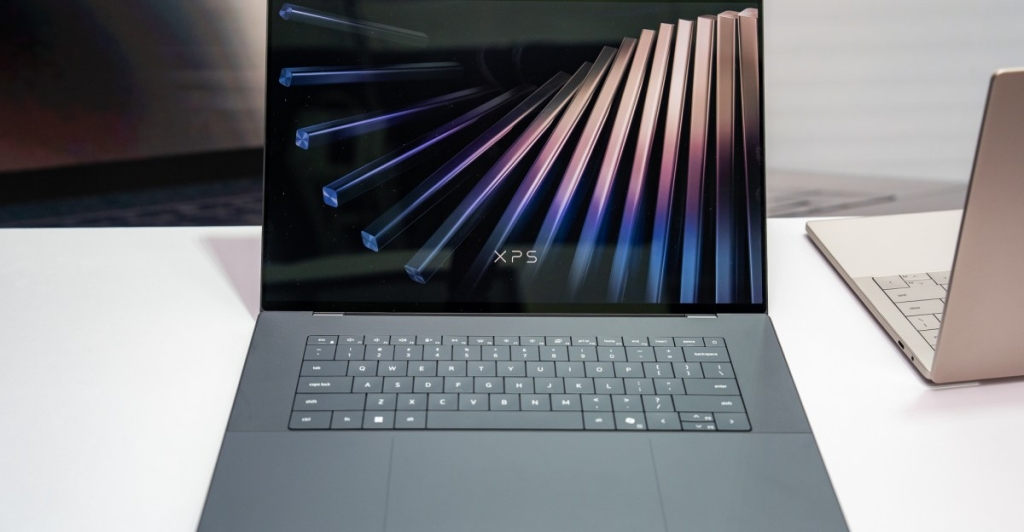
Dell’s New XPS 16 Shatters Battery Life Records with Intel + LG Display Combo
In a stunning development that’s sending shockwaves through the tech industry, Dell has unveiled a new XPS 16 configuration that appears to be the most power-efficient laptop ever tested. This revolutionary combination of cutting-edge hardware delivers battery life that defies conventional expectations and could fundamentally change how we think about portable computing.
The magic lies in a perfect storm of efficiency-focused components working in harmony. At the heart of this achievement is Intel’s latest Panther Lake processor, a chip engineered with power conservation as a top priority. Paired with this is a groundbreaking display technology from LG Display featuring an adaptive refresh rate that can drop as low as 1Hz when displaying static content.
The results, as tested by Notebookcheck, are nothing short of remarkable. In their standardized Wi-Fi web browsing test, this Dell XPS 16 configuration with the Intel Core Ultra 325 processor and LG’s special display managed to draw a mere 1.5 watts when idle. Even more impressively, it sustained nearly 27 hours of continuous web browsing on a relatively modest 70 watt-hour battery pack.
To put that in perspective, this battery life figure surpasses what Notebookcheck has recorded from any MacBook or MacBook Pro in their extensive testing history. In fact, it outperforms all but two laptops since they began conducting these tests in 2014. The two exceptions that managed to eke out slightly better results relied on different strategies: one used a Qualcomm Snapdragon X Plus chip with a larger 84Wh battery and a basic 60Hz screen, while the other employed a dual-battery setup totaling 149Wh capacity.
What makes this achievement particularly noteworthy is that Dell achieved these results without resorting to oversized battery packs. The 70Wh capacity falls well short of the 99.5Wh maximum that Dell has sometimes squeezed into its 16-inch models, suggesting that the efficiency gains come primarily from intelligent power management rather than brute-force battery capacity.
However, there’s an important caveat for consumers. Dell offers this XPS 16 with alternative display options, including a higher-resolution tandem OLED screen. For those chasing maximum battery life, the sweet spot appears to be the 1920 x 1200 non-OLED, non-touch configuration. The more premium display options, while visually impressive, will inevitably impact battery longevity.
The implications extend far beyond this single laptop model. LG Display has announced plans to mass-produce what it’s calling “Oxide 1Hz” LCD panels, positioning itself as the world’s first manufacturer to bring this technology to scale. The company is also developing an OLED variant slated for mass production in 2027, suggesting this efficiency revolution is just beginning.
Intel’s involvement goes deeper than a single partnership. The company has been actively collaborating with multiple display manufacturers on similar technologies. Last October, Intel announced a joint initiative with Chinese panel maker BOE to develop laptops with 1Hz refresh rates, indicating a broader industry push toward ultra-efficient displays.
For everyday users, the practical benefits are substantial. While standardized battery tests often show better results than real-world usage, the efficiency gains demonstrated here suggest that actual workday battery life could be dramatically extended. This could mean the difference between scrambling for a power outlet during a long flight and confidently working through an entire cross-country journey without charging.
The technology also hints at future possibilities. As these efficiency-focused components become more widespread, we might see laptops that can sustain multiple days of typical usage on a single charge, or devices that maintain critical functionality for extended periods while consuming minimal power.
This development represents more than just an incremental improvement in laptop design. It signals a potential shift in how we approach mobile computing, where battery life becomes so abundant that it ceases to be a primary concern for most users. The combination of Intel’s power-optimized processors and LG’s adaptive display technology could be the foundation for a new generation of laptops that stay powered for days rather than hours.
For Dell, this achievement burnishes its reputation as an innovator in laptop design. By carefully selecting and integrating these specific components, the company has created a system that pushes the boundaries of what’s possible in mobile computing. Whether this particular configuration remains exclusive to Dell or becomes available through other manufacturers remains to be seen, but the technology itself is clearly here to stay.
As we look toward the future of portable computing, this development suggests that the next major frontier isn’t necessarily faster processors or higher-resolution displays, but rather smarter, more efficient use of the power we already have. The Dell XPS 16 with its Intel-LG Display combination may well be remembered as the laptop that changed everything.
Tags: #BatteryLifeRevolution #XPS16 #IntelPantherLake #LGDisplay #UltraEfficientLaptop #GamingLaptop #TechInnovation #MobileComputing #BatteryChamp #DisplayTechnology #PowerEfficiency #LaptopRevolution #TechBreakthrough
Viral phrases:
– “Game-changing battery life that lasts nearly 27 hours”
– “The most efficient laptop ever tested”
– “1.5 watts at idle – that’s mind-blowing efficiency”
– “Defying conventional expectations in portable computing”
– “Could this be the end of battery anxiety?”
– “A perfect storm of efficiency-focused components”
– “Pushing the boundaries of what’s possible in mobile computing”
– “The laptop that changed everything”
– “Smarter, more efficient use of power”
– “The next major frontier in portable computing”,


Leave a Reply
Want to join the discussion?Feel free to contribute!