
Apple to move away from ChatGPT exclusivity for Siri
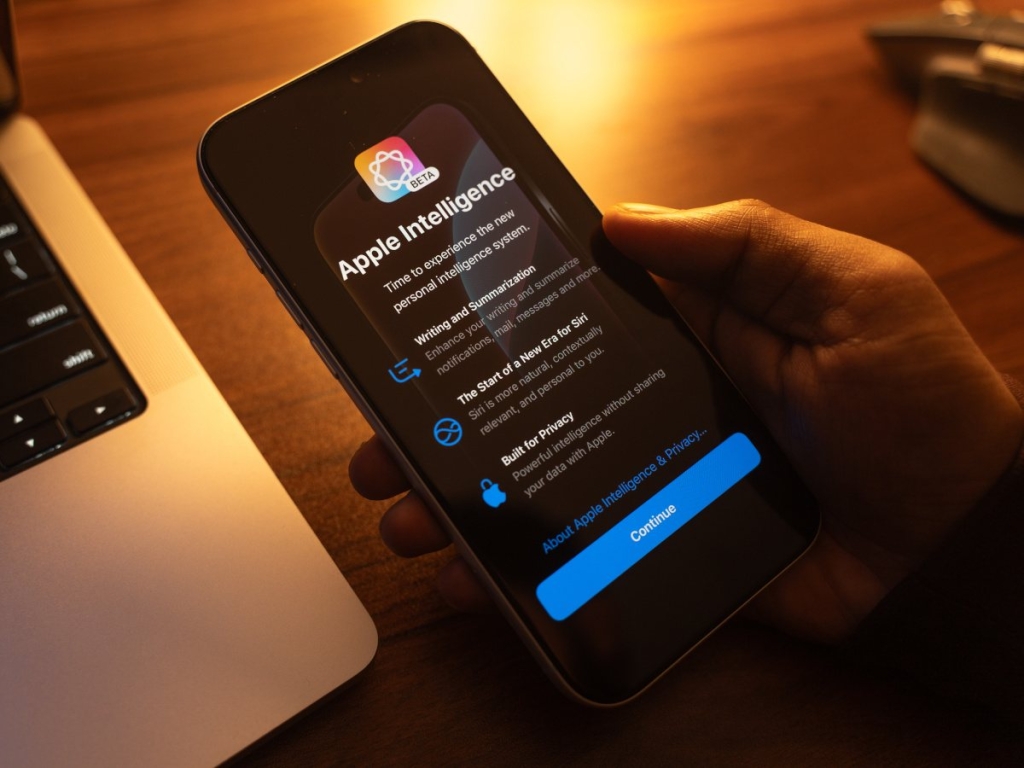
Apple Breaks Siri’s ChatGPT Chains: AI Revolution Coming to iOS 27
Apple is orchestrating a seismic shift in its AI strategy, dramatically opening up Siri to third-party AI assistants and preparing to launch a standalone Siri app that could fundamentally reshape how millions interact with their iPhones. This bold move signals Apple’s recognition that its AI assistant has fallen behind competitors and needs a complete overhaul to remain relevant in an increasingly AI-driven tech landscape.
The End of ChatGPT Exclusivity
For years, Siri has operated under a cozy partnership with OpenAI’s ChatGPT, but those exclusive chains are about to be shattered. According to Bloomberg’s latest reporting, Apple is developing sophisticated new tools that will allow AI chatbots from the App Store—including heavyweights like Google’s Gemini and Anthropic’s Claude—to integrate directly with Siri’s infrastructure.
This represents a complete 180-degree pivot from Apple’s previous strategy. The tech giant had previously announced its exclusive partnership with OpenAI back in 2024, betting heavily on ChatGPT to power Siri’s more advanced capabilities. Now, Apple appears ready to let users choose their preferred AI assistant, potentially allowing Gemini, Claude, or other ChatGPT competitors to effectively replace Siri’s core functionality.
iOS 27: The Great Siri Reboot
The changes are expected to arrive as part of a comprehensive Siri overhaul in Apple’s upcoming iOS 27, with a preview version slated for announcement at Apple’s Worldwide Developers Conference in June. The full release is scheduled for September alongside Apple’s annual iPhone launch event, suggesting the company views these AI improvements as critical to maintaining its competitive edge.
Sources familiar with Apple’s plans indicate that the company is developing a new “standalone app for Siri” that will operate separately from the traditional voice assistant experience. This app could serve as a gateway for users to access various AI models through a unified interface, potentially offering capabilities far beyond what Siri currently provides.
The Business Case: More Than Just Competition
Apple’s motivation extends beyond simply keeping pace with competitors like Google, Amazon, and Microsoft. By opening Siri to third-party AI integrations, Apple creates a new revenue stream through potential subscription fees and revenue sharing from AI services accessed through its platform.
The strategy also allows Apple to hedge its bets in the rapidly evolving AI landscape. Rather than committing exclusively to one AI provider, Apple can position itself as the neutral platform where users choose their preferred AI experience. This approach could prove particularly valuable as AI capabilities continue to advance at breakneck speed.
A Separate Path: Siri’s Complete Rebuild
Interestingly, these changes to allow third-party AI integration are separate from Apple’s more ambitious plans to completely rebuild Siri using Gemini technology. That project, reportedly targeting a late 2026 launch, would create a fundamentally new AI assistant rather than simply opening up existing Siri to competitors.
The dual-track approach—opening up Siri while simultaneously rebuilding it from the ground up—suggests Apple is pursuing multiple strategies to catch up in the AI race. One path offers immediate improvements through third-party integrations, while the other promises a more comprehensive overhaul in the longer term.
Apple’s Cautious AI Journey
Compared to other Big Tech players, Apple has moved deliberately slowly into the AI space. The company has watched competitors like Google, Microsoft, and Amazon aggressively deploy AI features across their product lines while maintaining a more measured approach.
However, this caution hasn’t prevented Apple from achieving remarkable financial success. The company recently posted “record” earnings, with iPhone quarterly revenue jumping an impressive 23% driven by “unprecedented demand.” This financial strength provides Apple with the resources to invest heavily in AI development without the same pressure to rush products to market that its competitors face.
Strategic Acquisitions Signal AI Ambitions
Apple’s AI strategy extends beyond just software improvements. In January, the company acquired an Israeli startup specializing in AI technology for audio processing, a deal reportedly costing up to $2 billion. This acquisition is expected to accelerate Apple’s progress in the AI-powered wearables race, helping it better compete with Meta’s smart glasses ambitions and OpenAI’s rumored physical device plans for late 2026.
The audio AI acquisition suggests Apple is thinking beyond traditional smartphone interfaces, potentially preparing for a future where voice interaction and wearable devices play increasingly central roles in how users access AI capabilities.
Vision Pro Pivot: From Headsets to Smart Glasses
Apple’s AI ambitions also appear to be influencing its hardware strategy. Last October, reports indicated that the company paused work on a cheaper, lighter variant of its Vision Pro mixed reality headset. Instead, development efforts are reportedly pivoting toward AI-powered smart glasses—a move that could position Apple at the forefront of the next generation of wearable computing.
This hardware pivot aligns perfectly with Apple’s software AI strategy, suggesting a cohesive vision where AI assistants, wearable devices, and new interaction paradigms converge to create more natural and powerful computing experiences.
The Competitive Landscape
Apple’s decision to open Siri comes amid intensifying competition in the AI assistant space. Google’s Gemini has rapidly gained capabilities, while Amazon continues to evolve Alexa, and Microsoft has integrated AI deeply into Windows and its productivity suite.
By allowing users to choose their preferred AI assistant through Siri, Apple may be acknowledging that it cannot win the AI capabilities race on its own terms. Instead, the company appears ready to become the platform that connects users with the best AI technology, regardless of which company develops it.
What This Means for Users
For iPhone users, these changes could dramatically improve their AI experience. Rather than being locked into Siri’s sometimes limited capabilities, users may soon be able to access more advanced AI models through familiar interfaces. The potential for a standalone Siri app also suggests Apple is preparing for more sophisticated AI interactions that go beyond simple voice commands.
The approval process for third-party AI integrations remains unclear, raising questions about whether Apple will maintain some control over which AI assistants can integrate with its platform. However, the mere possibility of choosing between different AI models represents a significant shift in Apple’s traditionally closed ecosystem approach.
The Bigger Picture
Apple’s AI strategy reflects a broader recognition that the future of computing may be defined by AI assistants rather than traditional apps and interfaces. By positioning itself as the gateway to various AI experiences, Apple could maintain its central role in the mobile ecosystem even as the underlying technology evolves dramatically.
The company’s substantial financial resources, massive user base, and reputation for polish and integration give it unique advantages in this transition. Even if Apple isn’t developing the most advanced AI models itself, it can still shape how millions of people interact with AI technology through its hardware and software platforms.
Tags: #Apple #Siri #iOS27 #AI #ChatGPT #Gemini #Claude #OpenAI #TechNews #ArtificialIntelligence #MobileTechnology #WWDC #iPhone #SmartAssistant #TechRevolution
Viral Phrases: “Siri’s Chains Broken”, “AI Assistant War Heats Up”, “Apple’s Big AI Pivot”, “Choose Your AI Brain”, “The End of Siri as We Know It”, “iOS 27 Game Changer”, “Apple Plays the AI Field”, “Smart Assistant Showdown”, “The Great Siri Reboot”, “AI on Your Terms”
Viral Sentences: “Apple is shattering Siri’s exclusive ChatGPT partnership, opening the floodgates to third-party AI integration.” “The standalone Siri app could revolutionize how millions interact with AI on their iPhones.” “Apple’s $2 billion audio AI acquisition signals a major push into wearable AI technology.” “The tech giant is hedging its bets in the AI race by letting users choose their preferred AI assistant.” “iOS 27 represents Apple’s most dramatic AI strategy shift in years.” “Apple’s cautious approach to AI hasn’t stopped record-breaking iPhone sales and profits.” “The Vision Pro pivot to smart glasses shows Apple’s AI ambitions extend beyond smartphones.” “Apple may be acknowledging it can’t win the AI race alone, so it’s becoming the platform where AI competition thrives.” “Users could soon access Gemini, Claude, or ChatGPT through Siri’s familiar interface.” “This isn’t just about keeping up—it’s about Apple redefining its role in the AI ecosystem.”
,


Leave a Reply
Want to join the discussion?Feel free to contribute!