
Micron Megafab Project Faces a New Hurdle as Activists Seek a Benefits Deal
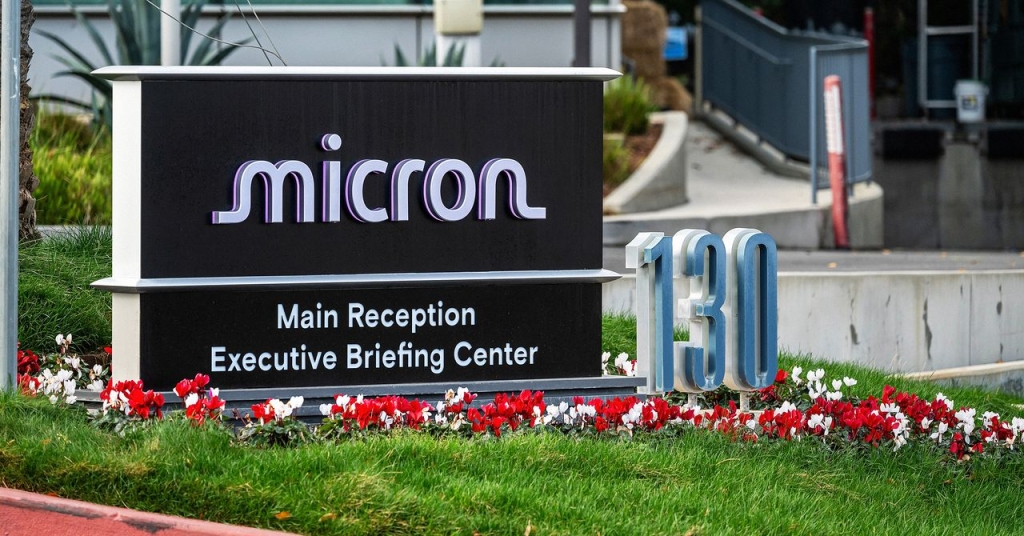
Micron’s $100 Billion Chip Factory Sparks Push for Community Accountability as Environmental and Labor Groups Demand Legally Binding Agreements
Just days after Micron Technology ceremonially broke ground on its staggering $100 billion semiconductor manufacturing facility in Clay, New York—poised to become both the largest commercial development in state history and the country’s most expansive chipmaking complex—a powerful coalition of environmental advocates, labor unions, and civil rights organizations has launched an unprecedented campaign demanding legally enforceable commitments from the tech giant.
The groundbreaking ceremony last Friday near Syracuse marked the beginning of what promises to be a two-decade construction odyssey, with the first memory chips potentially rolling off production lines within five years. Yet even as officials celebrated this landmark moment in America’s semiconductor sovereignty journey, local activists were mobilizing to ensure that this massive economic windfall doesn’t come at the expense of the community’s environmental health, social equity, or economic well-being.
“We welcome this transformative project and appreciate Micron’s initial pledges regarding local hiring and addressing construction impacts,” explains Anna Smith, senior researcher at Jobs to Move America, the union-aligned nonprofit spearheading coalition efforts. “However, we need real, strong, transparent, and enforceable commitments that go beyond good intentions.”
The Central New York United for Community Benefits Coalition, comprising approximately 25 local advocacy organizations, has crafted an ambitious framework for what’s known as a community benefits agreement (CBA). This legally binding contract would codify Micron’s promises on critical issues ranging from workforce diversity and environmental protection to local investment and community development.
On Wednesday, the coalition delivered a formal letter to Micron CEO Sanjay Mehrotra, extending an invitation to begin negotiations. The proposal draws inspiration from successful CBA campaigns across the United States, where similar coalitions have secured binding agreements with major employers and infrastructure projects.
Micron spokesperson Anna Newby responded to the coalition’s demands by emphasizing the company’s commitment to being “a great member of the community and a responsible environmental steward.” She highlighted Micron’s $250 million pledge for community investments, $15 million already distributed through grants, industry recognition for workplace excellence, and the expectation that 80 percent of construction workers will come from the local area.
“These commitments ensure we have the strong community partnerships and skilled workforce required to successfully deliver this critical project for the country,” Newby stated, underscoring the national security implications of domestic semiconductor manufacturing.
The coalition’s concerns are rooted in stark regional realities. Syracuse and surrounding Onondaga County face significant challenges, including persistent racial employment gaps and entrenched poverty and inequality. Recent studies have documented the severity of these issues, with local Black and Hispanic communities experiencing unemployment rates and income disparities that far exceed national averages.
The precedent for such agreements exists and has proven effective. Major projects including airports and bus manufacturing facilities have entered into CBAs that mandated investments in education, affordable housing development, comprehensive environmental studies, and local supplier preferences. These agreements typically include oversight mechanisms, annual public reporting requirements, and crucially, legal enforceability through the courts.
A Columbia Law School database documents dozens of such agreements negotiated over the past decade, demonstrating their growing acceptance as a tool for balancing corporate development with community interests. Proponents argue that CBAs can actually streamline project implementation by addressing community concerns proactively, reducing opposition, and fostering collaborative relationships between employers and residents.
The timing of this coalition’s emergence coincides with intensifying national scrutiny of large-scale industrial projects. Massive semiconductor fabrication facilities and data centers are drawing unprecedented attention due to their substantial water and energy consumption. As climate concerns mount and communities grapple with resource allocation, the pressure on companies to demonstrate environmental responsibility has never been greater.
Building semiconductor manufacturing capacity within U.S. borders has become a bipartisan national security imperative, particularly given geopolitical tensions and supply chain vulnerabilities exposed during recent global disruptions. The Micron project enjoys broad political support, reflecting the strategic importance of reducing dependence on foreign chip production.
However, the coalition argues that national security objectives and community well-being need not be mutually exclusive. By establishing clear, enforceable standards for environmental stewardship, equitable hiring practices, and community investment, they believe Micron can serve both national interests and local needs.
The proposed agreement would likely address multiple dimensions of community impact. Environmental provisions could include strict emissions controls, water conservation measures, and comprehensive monitoring systems. Workforce commitments might specify hiring targets for underrepresented communities, apprenticeship programs, and career advancement pathways. Economic development components could encompass supplier diversity requirements, local business support, and infrastructure improvements.
As negotiations potentially unfold, the coalition’s approach represents a sophisticated evolution in community organizing. Rather than opposing development outright, they’re positioning themselves as partners in ensuring the project’s success while protecting community interests. This collaborative stance may prove more effective in securing meaningful concessions than adversarial tactics.
The outcome of this campaign could establish a significant precedent for future large-scale industrial projects across the United States. If successful, it would demonstrate that even the most strategically vital corporate initiatives must account for local community needs through legally binding commitments.
For Micron, the decision to engage meaningfully with the coalition could transform potential opposition into productive partnership, smoothing the path for construction and operation while building lasting goodwill. Conversely, resistance to these demands might invite prolonged conflict, regulatory challenges, and reputational damage that could complicate the company’s ambitious expansion plans.
As the semiconductor industry continues its critical role in America’s technological and economic future, the Clay facility represents both opportunity and responsibility. The coalition’s campaign ensures that this responsibility extends beyond corporate boardrooms to the neighborhoods, schools, and natural resources that will share the landscape with this monumental industrial undertaking.
The coming months will reveal whether Micron embraces this opportunity to set a new standard for corporate-community relations in the age of strategic industrial development, or whether it proceeds with business as usual, potentially leaving community concerns unaddressed in the pursuit of technological advancement.
Tags: Semiconductor manufacturing, Community benefits agreement, Micron Technology, New York chip factory, Environmental justice, Labor rights, Economic development, Corporate accountability, Semiconductor industry, Local hiring, Environmental protection, Civil rights, Infrastructure development, National security, Supply chain, Workforce diversity, Community investment, Industrial policy, Green technology, Corporate social responsibility
Viral phrases: $100 billion chip factory, community benefits agreement, legally binding commitments, environmental stewardship, local hiring targets, economic inequality, national security priority, semiconductor sovereignty, water and energy consumption, enforceable through courts, collaborative partnerships, strategic industrial development, workforce diversity, environmental justice, community oversight, transparent commitments, measurable benefits, good neighbor policy, transformative project, precedent-setting campaign
,

Leave a Reply
Want to join the discussion?Feel free to contribute!