
Skyrim’s design lead says if you play Morrowind today, you will ‘cringe’: ‘The reality of playing Morrowind would not stand the test of time’
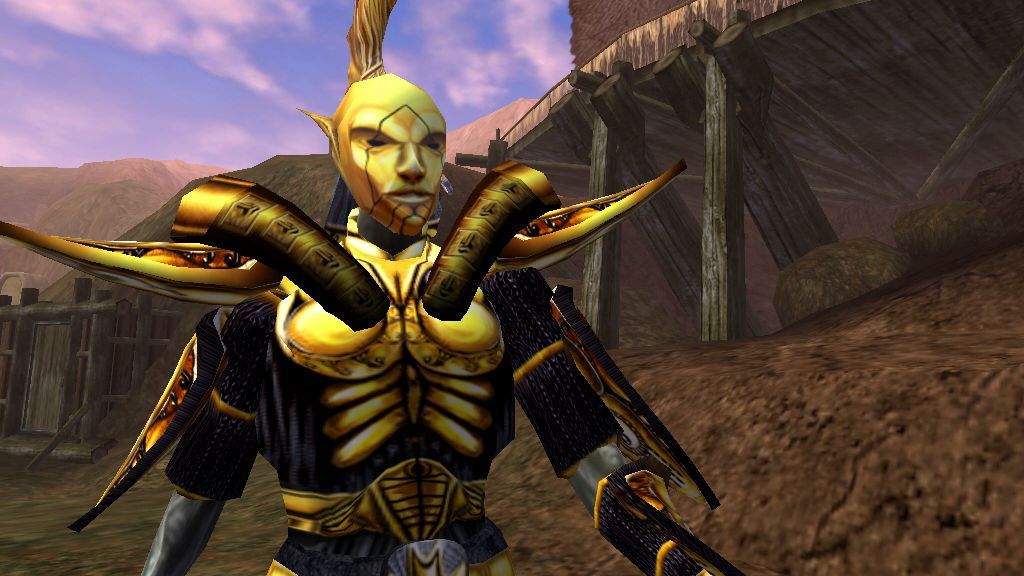
Morrowind’s Legacy Under Scrutiny: Bethesda Veteran Claims Nostalgia Overshadows Reality
The Controversy Surrounding a Potential Remake
In the ever-evolving landscape of video game development, few topics generate as much passionate debate as the potential for remaking classic titles. The Elder Scrolls III: Morrowind, released in 2002, stands as a monument to a particular era of RPG design—one that prioritized complexity, ambiguity, and player freedom over modern accessibility standards. However, a recent statement from Bruce Nesmith, former design lead on Skyrim, has reignited discussions about whether nostalgia has clouded our collective memory of this influential game.
The controversy stems from an interview Nesmith gave to Press Box PR, where he made several provocative claims about Morrowind’s potential for a modern remake. His central argument? That the rose-tinted glasses of nostalgia have obscured the reality of playing a game that, by today’s standards, might be considered almost unplayably obtuse.
The Nostalgia Problem
Nesmith’s perspective is particularly interesting given his extensive experience with Bethesda’s flagship franchise. Having worked on both Oblivion and Skyrim, he’s witnessed firsthand how the series has evolved to meet changing player expectations. His assessment of Morrowind is blunt: “Go back and play Morrowind and tell me that’s the game you want to play again. We all have these fond memories of things that were pivotal moments in our gaming fantasy histories that we absolutely move but you go back and play a 20 year old game and you will cringe.”
This statement cuts to the heart of a fundamental tension in gaming culture. How do we reconcile our cherished memories of groundbreaking experiences with the reality of their often-clunky execution? Nesmith argues that Morrowind, like many games of its era, contains numerous “cringe moments” that would be unacceptable in contemporary game design.
Technical Hurdles Beyond Nostalgia
The nostalgia argument, however, represents only one facet of Nesmith’s skepticism about a Morrowind remake. He raises practical concerns that extend beyond subjective assessments of game quality. According to Nesmith, Bethesda may no longer possess the original source code for Morrowind, a claim that would present enormous challenges for any potential remake project.
“Even if we had the source code,” Nesmith suggests, “we’re not sure we could compile it anymore.” This technical reality speaks to the rapid evolution of game development tools and practices over the past two decades. Code that was cutting-edge in 2002 might be incompatible with modern development environments, requiring a complete rebuild rather than a straightforward remaster.
The Scope of the Challenge
The technical challenges Nesmith describes are not merely hypothetical. Game preservation has become an increasingly important topic in the industry, with many classic titles becoming unplayable on modern hardware due to outdated code, dependencies, and technical architectures. A Morrowind remake would likely require developers to essentially rebuild the game from scratch, using the original as a design document rather than a functional codebase.
This reality raises questions about the very nature of what constitutes a “remake.” If developers must recreate every system, mechanic, and asset, at what point does the project become more of a reimagining than a remake? Nesmith’s skepticism seems rooted in an understanding of just how massive such an undertaking would be.
The Appeal of “Something New”
Perhaps most provocatively, Nesmith suggests that Bethesda might find more value in creating new content rather than revisiting old material. “You can include the giant crab palace and all of that stuff but make it new and avoid all the things that would not have survived the test of time,” he proposes.
This perspective aligns with broader industry trends. Many publishers have found that new intellectual properties, while riskier than established franchises, can generate more excitement and engagement than remakes of older titles. The success of games like Elden Ring, Baldur’s Gate 3, and others suggests that players are hungry for novel experiences, even within familiar genres.
The Daggerfall Factor
Interestingly, Nesmith’s comments extend beyond Morrowind to include earlier entries in the Elder Scrolls series. When asked about the potential for remaking Arena or Daggerfall, he stated unequivocally, “I think Morrowind is as far back as you can go.”
This assessment seems particularly harsh given the recent success of Daggerfall Unity, a fan-made recreation of the 1996 title that has introduced the game to a new generation of players. The project demonstrates that there remains significant interest in even the most archaic entries in the series, suggesting that Nesmith’s dismissal of these earlier games might be premature.
The Broader Context of Game Preservation
Nesmith’s comments touch on a larger conversation about game preservation and the relationship between developers, publishers, and gaming history. As games become increasingly complex and dependent on proprietary technologies, the challenge of maintaining access to classic titles grows more daunting.
The question of whether to remake, remaster, or preserve games in their original form has no easy answers. Each approach serves different purposes: remakes can introduce classic experiences to new audiences, remasters can enhance accessibility while maintaining original design, and preservation efforts ensure that future generations can study and appreciate gaming history in its original context.
The Future of The Elder Scrolls
Looking forward, Nesmith’s skepticism about a Morrowind remake doesn’t necessarily preclude Bethesda from revisiting the game in some form. The studio has demonstrated an ongoing commitment to supporting and expanding Skyrim through multiple re-releases and the upcoming release of The Elder Scrolls VI.
The success of Skyrim’s Special Edition and the game’s continued popularity on modern platforms suggests that there remains significant commercial viability in the Elder Scrolls franchise. Whether this translates into a Morrowind remake or new content inspired by the game’s distinctive setting and design philosophy remains to be seen.
A Balanced Perspective
While Nesmith’s comments may disappoint fans hoping for an official Morrowind remake, they offer a valuable perspective on the challenges such a project would face. His assessment encourages us to consider whether our nostalgia for Morrowind might be obscuring recognition of both its groundbreaking achievements and its dated elements.
The debate surrounding Morrowind’s potential remake ultimately reflects broader questions about how we engage with gaming history. Do we preserve games exactly as they were, warts and all? Do we update them for modern audiences while maintaining their essential character? Or do we use them as inspiration for entirely new experiences?
These questions have no definitive answers, but they’re worth considering as we continue to celebrate and critique the games that have shaped our understanding of what interactive entertainment can be.
Tags and Viral Phrases:
- nostalgia goggles
- cringe moments
- source code challenges
- game preservation crisis
- Elder Scrolls evolution
- Bethesda’s technical hurdles
- fan-made solutions
- Daggerfall Unity success
- gaming history debate
- remake vs. reimagining
- industry trends analysis
- player expectations shift
- classic game accessibility
- Morrowind’s controversial legacy
- Skyrim’s continued dominance
- The Elder Scrolls VI anticipation
- gaming culture tension
- preservation vs. innovation
- technical debt in gaming
- fan demand reality check
- game development evolution
- industry veteran perspective
- controversial hot take
- gaming community divide
- historical game analysis
- future of classic franchises
- player nostalgia exploitation
- authentic gaming experience
- modernization challenges
- gaming industry insights
,


Leave a Reply
Want to join the discussion?Feel free to contribute!