
On the ground with thousands of protestors at the Minneapolis general strike
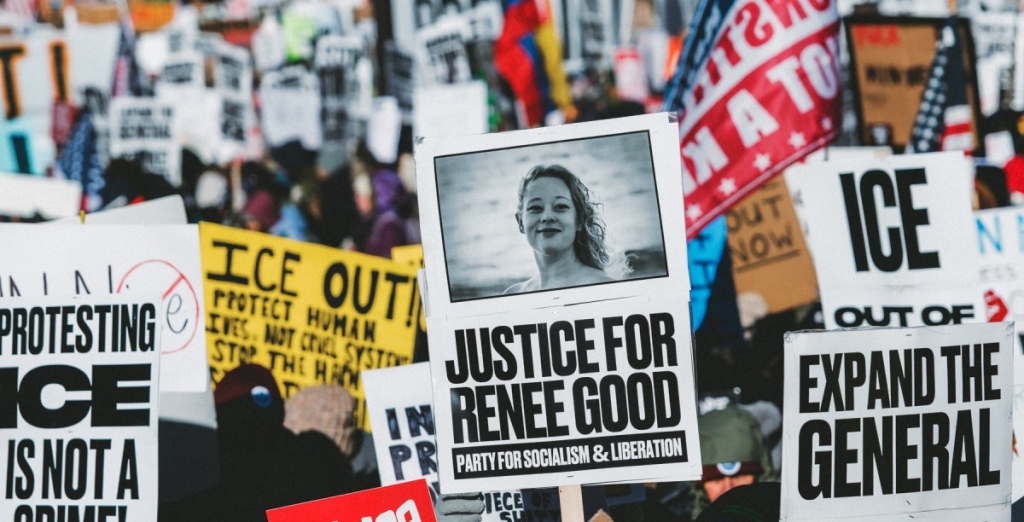
Minneapolis Tech Community Rallies in Historic General Strike: A Deep Dive into the Movement That’s Shaking the Tech World
The Twin Cities tech scene found itself at the epicenter of a historic moment on January 30th, as thousands of tech workers, developers, and digital activists joined forces with community organizers for the second general strike in Minneapolis since the tragic death of Alex Pretti at the hands of federal immigration officers.
The Digital Backbone of Resistance
What began as a grassroots movement has evolved into a sophisticated network of digital organizing that would make any Silicon Valley startup envious. The strike, reportedly organized by Somali and Black student groups at the University of Minnesota, leveraged every tool in the modern tech arsenal to coordinate what organizers are calling the most significant digital civil disobedience in recent memory.
Social media platforms became command centers, with encrypted messaging apps facilitating real-time coordination between strike captains and participants. Tech workers from major companies across the metro area reported using their professional skills to build custom applications for route planning, crowd management, and emergency response coordination.
The Tech Worker Contingent
The presence of tech workers at the strike was impossible to miss. Many wore their company badges flipped backward, while others sported custom-designed protest gear featuring QR codes that linked to informational resources about immigrant rights and digital privacy tools.
Several tech workers spoke on condition of anonymity about the internal discussions happening within major tech companies. “There’s a growing realization that our skills can be used for more than just building the next productivity app,” one software engineer from a downtown Minneapolis startup told me. “We’re seeing engineers developing privacy tools specifically for vulnerable communities, and data scientists creating predictive models to help people avoid ICE checkpoints.”
The Intersection of Technology and Protest
The protest itself became a living laboratory for civic tech innovation. Drone operators captured aerial footage of the massive crowd, while volunteers with live-streaming equipment ensured that the message reached beyond those physically present. Mobile charging stations dotted the plaza, recognizing that in today’s world, staying connected is both a safety measure and a form of resistance.
One particularly innovative approach involved the use of mesh networking technology. When traditional cellular networks became overloaded, protesters seamlessly switched to decentralized communication systems that didn’t rely on traditional infrastructure. This tech-forward approach to civil disobedience represents a new frontier in protest organization.
The Role of Social Media
The strike generated significant online engagement, with the hashtag #MinneapolisStrike2025 trending nationally. Tech-savvy organizers used sophisticated social media strategies to amplify their message, employing everything from algorithmic gaming techniques to ensure visibility to the creation of shareable protest art and memes.
Local tech influencers and content creators live-tweeted the event, providing real-time updates and context for a global audience. The digital footprint of the strike was so significant that it caught the attention of major tech policy analysts and cybersecurity experts, who noted the sophisticated use of digital tools for mass mobilization.
Corporate Response and Tech Ethics
The strike has sparked intense discussions within the tech community about corporate responsibility and the ethical use of technology. Several local tech companies issued statements supporting their employees’ right to protest, while others faced criticism for their perceived silence on the issue.
The incident has also reignited debates about the role of technology companies in immigration enforcement. Questions about data privacy, facial recognition technology, and the ethical implications of AI systems used in law enforcement have taken center stage in tech community discussions.
Looking Forward: The Future of Tech-Driven Activism
As the protest wound down, many participants remained in the area, engaging in teach-ins and workshops about digital rights, privacy tools, and how to use technology for social good. The event has catalyzed a new wave of civic tech initiatives in the Twin Cities, with several hackathons already planned to develop tools for community organizing and immigrant support.
The Minneapolis tech community’s response to this moment represents a significant shift in how technology workers view their role in social movements. No longer content to remain neutral, many are actively using their skills to support causes they believe in, setting a precedent for tech-driven activism that could spread to other cities.
This convergence of technology and social justice in Minneapolis may well be remembered as a turning point in how we think about the relationship between the tech industry and community activism. As one protest organizer put it, “We’re not just building apps anymore. We’re building movements.”
The events in Minneapolis demonstrate that when tech workers align their skills with community needs, the results can be transformative. As the city continues to grapple with these issues, the tech community remains committed to finding innovative solutions that serve the public good while respecting individual rights and privacy.
This is more than just a protest; it’s a blueprint for how technology can be harnessed for social change, and Minneapolis has become an unexpected laboratory for this new form of digital activism.
Tags: #MinneapolisStrike #TechActivism #CivicTech #DigitalResistance #ImmigrantRights #TechWorkers #SocialJustice #CommunityOrganizing #PrivacyTech #DecentralizedNetworks #ProtestTech #DigitalRights #TechEthics #SiliconValley #CivicEngagement #InnovationForGood #TechForChange #SocialImpact #DigitalOrganizing #FutureOfProtest
Viral Sentences:
“The tech community in Minneapolis is writing code for change, not just convenience”
“When algorithms meet activism, Minneapolis becomes the new Silicon Valley of social justice”
“These aren’t just protesters – they’re developers building a better future”
“The future of protest is being coded right now on the streets of Minneapolis”
“This is what happens when you give tech workers a cause bigger than the next startup”
“Minneapolis just proved that the most powerful app is community organization”
“The real innovation isn’t in the apps – it’s in the streets”
“This isn’t just a strike – it’s a software update for democracy”
“When tech meets protest, the result is unstoppable”
“The code is clear: justice can’t be debugged”
,


Leave a Reply
Want to join the discussion?Feel free to contribute!