
Gedit Aims For More Frequent Releases, Bans AI / LLM Contributions
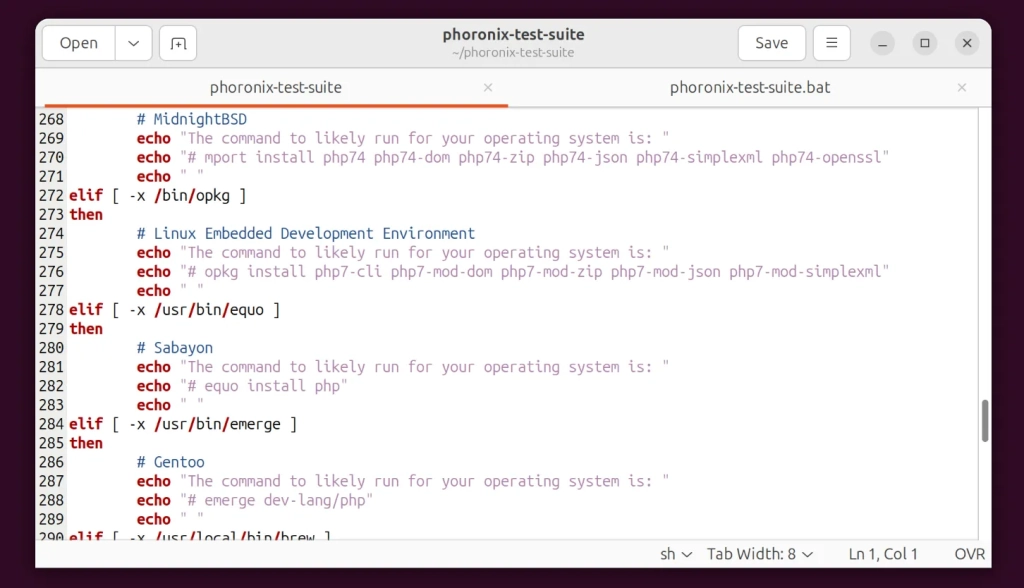
Gedit 50 Released: GNOME’s Classic Text Editor Reboots with a Ban on AI Contributions and Faster Releases Ahead
After the debut of GNOME 50, the GNOME team has rolled out Gedit 50, the latest iteration of the beloved graphical text editor that has been a staple of the GNOME desktop environment for decades. While many Linux distributions have migrated to the newer GNOME Text Editor as their default choice, Gedit remains a powerhouse for many users who value its speed, simplicity, and reliability.
Gedit’s enduring appeal lies in its lightweight design and robust feature set. For developers and power users, it remains a go-to tool for handling large files and complex workflows. Personally, I still prefer Gedit over its newer counterpart due to its lightning-fast performance when loading massive XML files—a task where GNOME Text Editor often stumbles. Additionally, Gedit’s find-and-replace functionality works seamlessly across multiple tabs and documents, a feature that the newer editor lacks. These nuances keep Gedit relevant in an ever-evolving tech landscape.
What’s New in Gedit 50?
The release of Gedit 50 brings a host of improvements, including updated translations, enhanced documentation, and under-the-hood optimizations. However, one of the most notable changes is the project’s decision to ban AI and large language model (LLM) contributions across all aspects of development. This bold move, detailed in a recent commit to the Gedit GitLab repository, reflects the team’s commitment to maintaining human-driven development. The ban applies to all parts of the project, with the sole exception of translating text for issues and comments into English.
This stance against AI-driven contributions is a refreshing reminder of the importance of human creativity and expertise in software development. In an era where AI tools are increasingly being integrated into coding workflows, Gedit’s decision underscores the value of human oversight and craftsmanship.
A Faster Release Cadence on the Horizon
In addition to its anti-AI stance, the Gedit team has announced plans to adopt a faster release cadence in 2026. This shift aims to deliver updates and new features more frequently, ensuring that Gedit remains competitive and responsive to user needs. Some of the work already underway includes enhancing the toolkit support library, streamlining document loading processes, and improving the completion framework. These updates promise to make Gedit even more efficient and user-friendly in the years to come.
Why Gedit Still Matters
While the GNOME Text Editor may be the default choice for many, Gedit’s continued development highlights its unique strengths. For users who prioritize speed, simplicity, and reliability, Gedit remains an indispensable tool. Its ability to handle large files with ease and its intuitive interface make it a favorite among developers, writers, and casual users alike.
The release of Gedit 50 is a testament to the project’s resilience and adaptability. By embracing a human-centric approach to development and committing to faster updates, Gedit is poised to remain a cornerstone of the GNOME ecosystem for years to come.
Tags: #Gedit #GNOME #Linux #TextEditor #OpenSource #AI #LLM #SoftwareDevelopment #TechNews #Phoronix #Coding #XML #Performance #Updates #Release #2026
Viral Phrases:
- “Gedit 50: The text editor that refuses to die.”
- “Banning AI: Gedit’s bold stand for human-driven development.”
- “Faster releases, better tools: Gedit’s 2026 roadmap.”
- “Why Gedit still beats GNOME Text Editor for power users.”
- “The end of AI contributions? Gedit says yes.”
- “Lightweight, fast, and reliable: Gedit’s timeless appeal.”
- “Gedit 50: A love letter to classic text editors.”
- “Human creativity over AI: Gedit’s new philosophy.”
- “Gedit’s secret weapon: Handling large files like a pro.”
- “The future of Gedit: Faster, smarter, and more human.”
,


Leave a Reply
Want to join the discussion?Feel free to contribute!