
Weekly poll: how important is magnetic wireless charging to you?
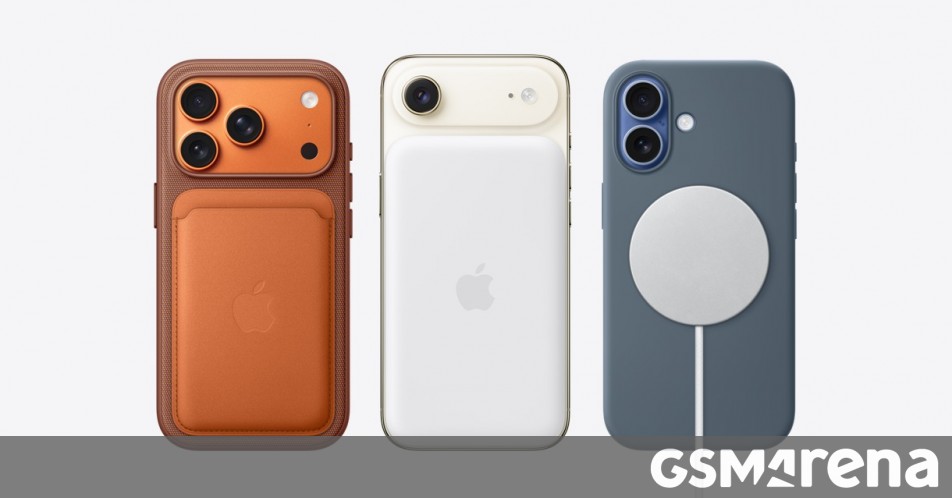
Apple revolutionized the wireless charging landscape in 2020 when it unveiled MagSafe alongside the iPhone 12 series. This innovative technology ditched the traditional reliance on precise manual alignment between charging coils, instead harnessing the power of magnets to effortlessly snap the charger into the perfect position every time. It was a simple, cost-effective, and remarkably efficient solution that quickly won over users.
Yet, despite the Qi wireless charging standard officially incorporating a Magnetic Charging Profile years ago, smartphone manufacturers have been surprisingly slow to adopt this feature. Why the hesitation? Perhaps the better question is: do you actually care if your phone has magnets for wireless charging?
Let’s take a quick dive into the history. The HMD Skyline holds the distinction of being the first Android device to feature built-in magnets for wireless charging. Following that, several Chinese manufacturers took a half-step approach, embedding magnets into select phone cases rather than the devices themselves. But the tide is turning. Google has now fully embraced the technology with the Pixel 10 series, introducing Pixelsnap accessories to complement the feature. Meanwhile, Samsung has already teased its Magnet Wireless Charger ahead of the anticipated Galaxy S26 series launch.
But wait—before you dismiss this as irrelevant because you don’t use wireless charging, consider this: magnetic attachment isn’t just about charging. It opens up a world of possibilities. Think magnetic phone holders for your car, sleek wallets that attach to the back of your phone, or even third-party innovations like MagSafe camera grips, external SSDs, and game controllers. The ecosystem is expanding rapidly, and Android phones have been largely left out—until now.
The benefits of magnetic wireless charging go beyond convenience. Proper alignment means less heat generation and greater charging efficiency, addressing two of the biggest pain points of traditional wireless charging. For years, Android users have been missing out on these advantages, but with Google and Samsung now on board, that could soon change.
So, as you start thinking about your next smartphone purchase, how much weight will magnetic charging support carry in your decision? Will it be a dealbreaker, a nice-to-have, or something you barely notice?
Tags: MagSafe, magnetic wireless charging, iPhone 12, Pixel 10, Samsung Galaxy S26, Qi wireless charging, smartphone innovation, tech trends 2025, Android vs iPhone, wireless charging efficiency, magnetic accessories, tech ecosystem, future of smartphones
Viral Phrases: “Apple’s MagSafe changed the game—will Android finally catch up?” “Magnetic charging: the small feature that could redefine your smartphone experience.” “Why Android phones have been missing out on the MagSafe revolution.” “From car mounts to camera grips: the hidden potential of magnetic charging.” “Is magnetic wireless charging the next must-have smartphone feature?”
,


Leave a Reply
Want to join the discussion?Feel free to contribute!