
What’s The Point Of An Oura Ring If You Buy A Smart Watch?
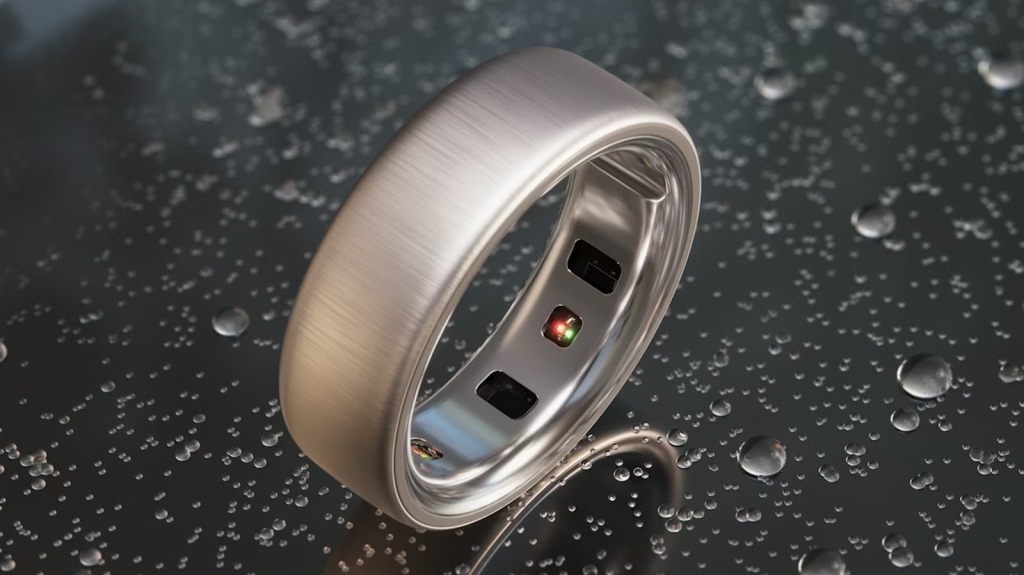
Is There Still a Point to Owning an Oura Ring If You Already Have a Smartwatch?
In today’s hyper-connected world, smartwatches have become an essential part of our daily tech ecosystem. From fitness tracking to notifications, these wrist-worn devices do it all. But what about the Oura Ring? If you’re already invested in the smartwatch lifestyle, is there still a compelling reason to add a smart ring to your collection?
The short answer: absolutely. While the Oura Ring 4 has been hailed as the best smart ring on the market, its appeal isn’t about replacing your Apple Watch or other smartwatch—it’s about complementing it in ways that matter to specific users.
Different Devices, Different Priorities
When the Oura Ring launched in 2015, it carved out a unique niche by focusing exclusively on health and sleep tracking. The problem it aimed to solve was simple yet significant: how do you track sleep accurately without the discomfort of wearing a bulky smartwatch to bed?
This laser focus on specific health metrics has remained the Oura Ring’s core strength. While the Apple Watch dominates the smartwatch market with its multifunctional approach—handling everything from calls and messages to GPS navigation and mobile payments—the Oura Ring doubles down on what it does best: passive, continuous health monitoring.
The Sleep Tracking Advantage
Here’s where the Oura Ring truly shines: sleep tracking. Doctors have noted that the Oura Ring does an exceptional job of tracking trends in sleeping health over time. The device’s nap detection feature and detailed sleep stage analysis provide insights that many users find more valuable than the sleep tracking offered by most smartwatches.
The reason is simple physics. A ring on your finger can measure heart rate and movement more consistently during sleep than a watch on your wrist, which might shift position or feel uncomfortable. This means more accurate data collection when you’re most vulnerable and when recovery metrics matter most.
Long-Term Health Monitoring vs. Daily Convenience
While Apple has earned FDA approval for features like fall detection and advanced heart rate monitoring, the Oura Ring excels at long-term, passive health monitoring. It’s not about having the most sensors or the flashiest features—it’s about collecting reliable data consistently over months and years.
The Oura Ring measures skin temperature, heart rate variability, and blood oxygen levels throughout the day and night without you having to think about it. This continuous, unobtrusive monitoring creates a comprehensive health profile that can reveal patterns and trends you might miss with a device you only wear occasionally.
The Physical and Aesthetic Factor
Let’s address the elephant in the room: smartwatches are bulky. Even the sleekest models add noticeable weight and presence to your wrist. For many people, this is a dealbreaker in certain situations.
Imagine going for a run and not wanting to risk scratching your expensive Apple Watch on equipment. Or attending a formal event where a tech-heavy device on your wrist clashes with your outfit. Or simply sleeping without feeling like you’re wearing a small computer on your arm.
The Oura Ring solves these problems elegantly. It’s lightweight, waterproof, and so unobtrusive that you forget you’re wearing it. This means you’re more likely to keep it on during activities where you’d normally remove a watch—swimming, working with your hands, or sleeping.
Style Matters
Oura has invested heavily in making its rings look like actual jewelry rather than tech gadgets. The new ceramic finish on the Oura Ring 4 represents a significant step forward in making the device appropriate for any occasion, from the gym to a black-tie event.
This matters because many people choose not to wear smartwatches for purely aesthetic reasons. A smart ring can provide the health tracking benefits without the “tech on your wrist” look that some find off-putting or unprofessional in certain settings.
Complementary, Not Competitive
The reality is that the Oura Ring and smartwatches aren’t really competing for the same users—they’re serving different needs within the broader wearable tech market. Think of it this way: a smartwatch is like a smartphone on your wrist, while the Oura Ring is more like a dedicated health monitor you wear everywhere.
Many users find value in owning both: a smartwatch for daytime productivity and fitness tracking, and an Oura Ring for nighttime recovery monitoring and continuous health data collection. The two devices can work together, with the Oura app even integrating data from Apple Health to provide a more complete picture of your wellbeing.
The Bottom Line
So, what’s the point of an Oura Ring if you already own a smartwatch? It comes down to your specific needs and lifestyle. If you prioritize detailed sleep tracking, want continuous passive health monitoring, prefer a more discreet wearable, or simply like having specialized devices for different purposes, the Oura Ring offers genuine value.
It’s not about which device is “better”—it’s about which device is better for you in specific situations. And for many users, that means having both options available, using each where it excels most.
Tags: #OuraRing #SmartRing #WearableTech #HealthTracking #SleepMonitoring #Smartwatch #TechLifestyle #FitnessTech #HealthTech #Wearables
Viral Phrases: “The ring that outsmarts your watch”, “Why your finger knows more about your health than your wrist”, “Sleep tracking that actually works”, “The discreet revolution in wearable tech”, “Your health, uninterrupted”, “From wrist to finger: the smart evolution”, “Data that doesn’t disrupt your life”, “The jewelry that thinks”, “Tracking without the bulk”, “Health monitoring reimagined”
,


Leave a Reply
Want to join the discussion?Feel free to contribute!