
SpaceX has applied to launch another million satellites into orbit – all to power AI
SpaceX’s Bold Vision: A Million AI-Powered Satellites to Revolutionize Data Centers
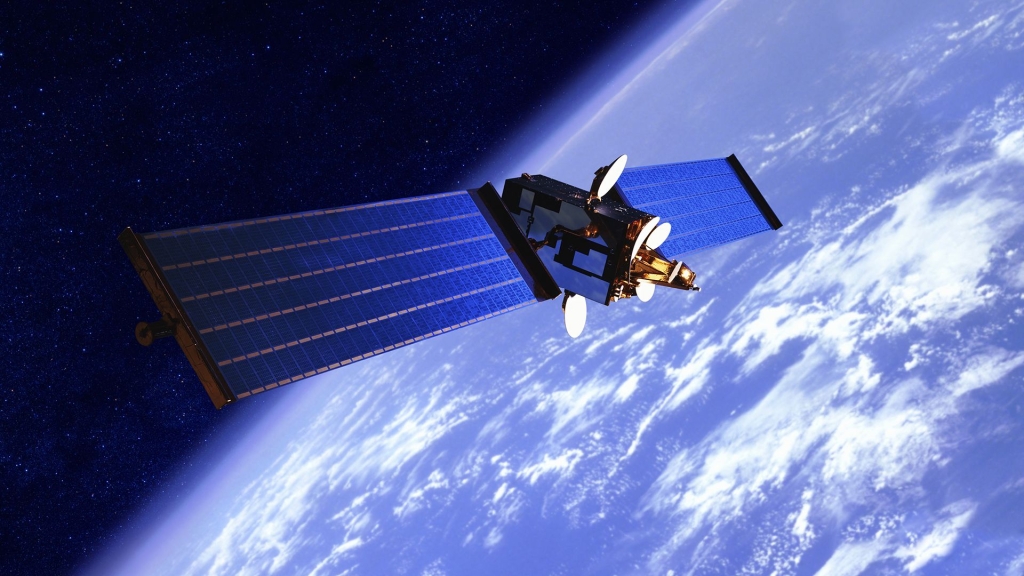
In a move that could reshape the future of artificial intelligence infrastructure, SpaceX has filed a groundbreaking proposal with the Federal Communications Commission (FCC) to launch an additional one million satellites into Earth’s orbit. These aren’t just any satellites—they’re designed to be orbiting data centers, powered by solar energy and optimized for the AI revolution.
The Space-Based Data Center Revolution
The filing, first reported by the BBC, outlines SpaceX’s ambitious plan to address what the company calls “the exhaustion of terrestrial capabilities” in data center infrastructure. As AI models grow exponentially in size and complexity, traditional ground-based data centers are struggling to keep pace with energy demands and computational requirements.
SpaceX’s solution? Take the data centers to space.
“The orbital data centers will achieve transformative cost and energy efficiency while significantly reducing the environmental impact associated with terrestrial data centers,” the FCC filing states, according to Reuters. The satellites would be powered entirely by solar panels, eliminating the massive energy consumption that plagues Earth-based facilities.
A Crowded Orbital Future
If approved, this proposal would represent a quantum leap in SpaceX’s satellite ambitions. The company already plans to expand its Starlink constellation to 15,000 satellites over the next few years, but adding another million would create an unprecedented network of space-based infrastructure.
This isn’t SpaceX’s first foray into space-based computing. Elon Musk’s other company, xAI, has previously explored the concept of launching AI data centers beyond Earth’s atmosphere. The idea has also attracted interest from tech giants like Google and Amazon, though none have pursued it with the same scale and urgency as SpaceX.
The Technical Marvel
The proposed satellites would function as miniature data centers, complete with processing units capable of handling AI workloads. Their orbital position offers several advantages:
- Cooling efficiency: Space provides natural cooling, eliminating the need for energy-intensive cooling systems
- Solar power: Uninterrupted access to solar energy without atmospheric interference
- Global coverage: The ability to serve AI processing needs anywhere on Earth
- Reduced latency: Strategic positioning could actually decrease data transmission times for certain applications
SpaceX claims these orbital data centers would require minimal operating and maintenance costs compared to their terrestrial counterparts, potentially making them more economically viable in the long run.
Regulatory Hurdles and Safety Concerns
The FCC now faces the complex task of evaluating this proposal. Earth’s orbit is already congested with thousands of active satellites and debris, raising serious concerns about space traffic management and collision risks.
The regulatory body will need to consider:
- Orbital debris mitigation: How will SpaceX ensure these satellites don’t contribute to the growing space junk problem?
- Frequency allocation: Managing radio spectrum usage for millions of new satellites
- International coordination: Ensuring compliance with space treaties and agreements
- Environmental impact: Assessing the effects of such a massive satellite constellation on astronomy and Earth observation
The AI Infrastructure Arms Race
This move comes amid an intensifying race to build AI infrastructure. Companies worldwide are scrambling to secure data center capacity, with some estimates suggesting the AI industry will need millions of additional servers by 2030. Traditional data centers consume enormous amounts of electricity—some facilities now use as much power as small cities.
SpaceX’s space-based solution could offer a way to meet this demand while addressing environmental concerns. The company argues that orbital data centers could be more energy-efficient and have a smaller carbon footprint than their Earth-bound counterparts.
What’s Next?
While the proposal is ambitious, SpaceX hasn’t provided a timeline for implementation. The company will need to navigate complex regulatory processes, address technical challenges, and likely face scrutiny from competitors and space agencies worldwide.
If successful, this initiative could mark the beginning of a new era in computing infrastructure—one where the cloud quite literally exists in the clouds, or rather, above them.
The coming months will be crucial as the FCC reviews the proposal and stakeholders weigh in on what could be one of the most significant technological undertakings of the 21st century.
AI data centers in space
Orbital computing revolution
SpaceX satellite constellation
Space-based AI infrastructure
Elon Musk’s space tech
FCC satellite approval
Solar-powered data centers
Next-gen AI computing
Space tech innovation
Orbital data revolution
AI infrastructure expansion
Space computing breakthrough
Satellite data centers
Space-based cloud computing
AI energy efficiency
Orbital technology
Space data infrastructure
AI computing revolution
Space tech future
Satellite constellation
Space-based AI
Orbital computing
AI data revolution
Space infrastructure
Next-gen data centers
Space technology
AI computing power
Orbital satellites
Space-based solutions
AI infrastructure
Space tech innovation
Orbital data centers
AI revolution
Space computing
Satellite technology
AI infrastructure
Space-based cloud
Orbital computing power
AI data centers
Space tech breakthrough
Satellite constellation
Space-based AI
AI computing infrastructure
Orbital data
Space technology
AI revolution
Space-based solutions
Satellite computing
AI infrastructure
Space tech future
Orbital data centers
AI data revolution
Space-based cloud
Satellite constellation
AI computing power
Orbital satellites
Space technology
AI infrastructure
Space tech innovation
Orbital data centers
AI revolution
Space computing
Satellite technology
AI infrastructure
Space-based cloud
Orbital computing power
AI data centers
Space tech breakthrough
Satellite constellation
Space-based AI
AI computing infrastructure
Orbital data
Space technology
AI revolution
Space-based solutions
Satellite computing
AI infrastructure
Space tech future
,


Leave a Reply
Want to join the discussion?Feel free to contribute!