
What Really Happened on Easter Island? New Evidence Challenges Long-Held Myths
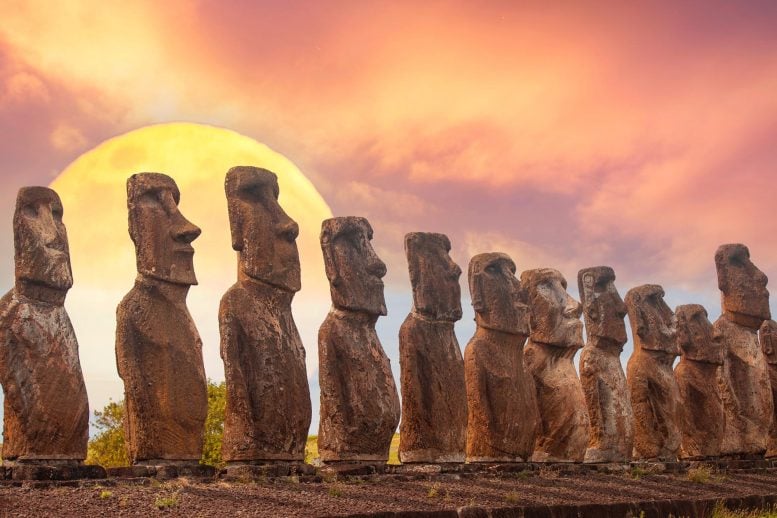
New Research Overturns the Collapse Narrative of Rapa Nui: Drought, Not Decline, Reshaped Easter Island’s History
For centuries, the story of Rapa Nui—better known as Easter Island—has been framed as a cautionary tale of societal collapse. Popular narratives often depict the island’s inhabitants as overexploiting their environment, leading to deforestation, societal breakdown, and the eventual downfall of their civilization. However, groundbreaking new research led by scientists at Columbia University’s Lamont-Doherty Earth Observatory is challenging this long-held myth, revealing a far more nuanced and complex history.
The study, published in a recent issue of Nature Communications, provides the most compelling evidence to date that a prolonged drought, rather than societal collapse, was the primary driver of significant changes on Rapa Nui starting around 1550. This revelation not only reshapes our understanding of the island’s past but also offers valuable insights into how ancient societies adapted to environmental challenges.
Uncovering the Truth: A Revolutionary Approach
To reconstruct the island’s climatic history, the research team employed cutting-edge techniques to extract and analyze sediment cores from the island’s lakes. These cores, which act as natural archives of environmental change, contain layers of sediment that have accumulated over thousands of years. By examining the chemical composition, pollen content, and other indicators within these layers, the scientists were able to piece together a detailed record of rainfall patterns and ecological shifts.
The results were striking. The data revealed that Rapa Nui experienced a severe and prolonged drought that began around 1550 and lasted for several centuries. This drought had profound effects on the island’s ecosystem, leading to the decline of native forests and significant changes in agricultural practices. However, contrary to the traditional narrative, there is no evidence of a sudden or catastrophic societal collapse during this period.
Adaptation, Not Collapse: A Resilient Society
Instead of succumbing to environmental pressures, the Rapa Nui people demonstrated remarkable resilience and adaptability. The study suggests that they implemented innovative strategies to cope with the changing conditions, such as shifting their agricultural practices to more drought-resistant crops and developing new methods of water management. These adaptations allowed them to sustain their society and continue their cultural traditions, including the iconic construction of the moai statues, which remain a testament to their ingenuity and perseverance.
This new understanding challenges the simplistic narrative of environmental determinism that has long dominated discussions about Rapa Nui. It highlights the importance of considering the complex interplay between environmental and cultural factors in shaping the history of human societies.
Implications for the Present and Future
The findings of this study have far-reaching implications, not only for our understanding of Rapa Nui but also for how we approach contemporary challenges related to climate change and sustainability. The resilience of the Rapa Nui people in the face of prolonged drought serves as a powerful reminder of the capacity of human societies to adapt to environmental changes, provided they have the knowledge, resources, and flexibility to do so.
Moreover, the study underscores the importance of interdisciplinary research in uncovering the complexities of human-environment interactions. By combining insights from paleoclimatology, archaeology, and anthropology, the researchers were able to paint a more accurate and holistic picture of Rapa Nui’s history.
As we grapple with the global challenges of climate change, resource depletion, and environmental degradation, the story of Rapa Nui offers valuable lessons. It reminds us that the fate of societies is not solely determined by environmental factors but also by their ability to innovate, adapt, and respond to changing conditions.
Conclusion: Rewriting the Narrative
The new research on Rapa Nui represents a significant shift in our understanding of this iconic island and its people. By challenging the long-held myth of societal collapse, it invites us to rethink the narratives we construct about the past and the lessons we draw from them. It also highlights the importance of approaching historical and environmental questions with an open mind and a willingness to revise our assumptions in light of new evidence.
As we continue to explore the complexities of human-environment interactions, the story of Rapa Nui serves as a powerful reminder of the resilience of human societies and the importance of adaptability in the face of environmental challenges. It is a story that resonates not only with the past but also with the present and future, offering hope and inspiration as we navigate the uncertainties of a changing world.
Tags, Viral Words, and Phrases:
- Easter Island mystery solved
- Drought, not collapse, reshaped Rapa Nui
- New evidence challenges old myths
- Resilience of ancient societies
- Climate change and human adaptation
- Moai statues and environmental history
- Rewriting the narrative of Easter Island
- Groundbreaking research on Rapa Nui
- Lessons from the past for the future
- Human ingenuity in the face of adversity
- The truth about Easter Island revealed
- Ancient societies and environmental challenges
- Interdisciplinary research uncovers new insights
- Sustainability and adaptability in history
- The real story of Rapa Nui
- Climate resilience and cultural continuity
- Rethinking historical narratives
- Environmental determinism debunked
- Innovation and survival on Easter Island
- The power of human adaptation
,

Leave a Reply
Want to join the discussion?Feel free to contribute!