
Brick vs. Bloom Card: I tested both for my screen addiction, and the winner depends on you
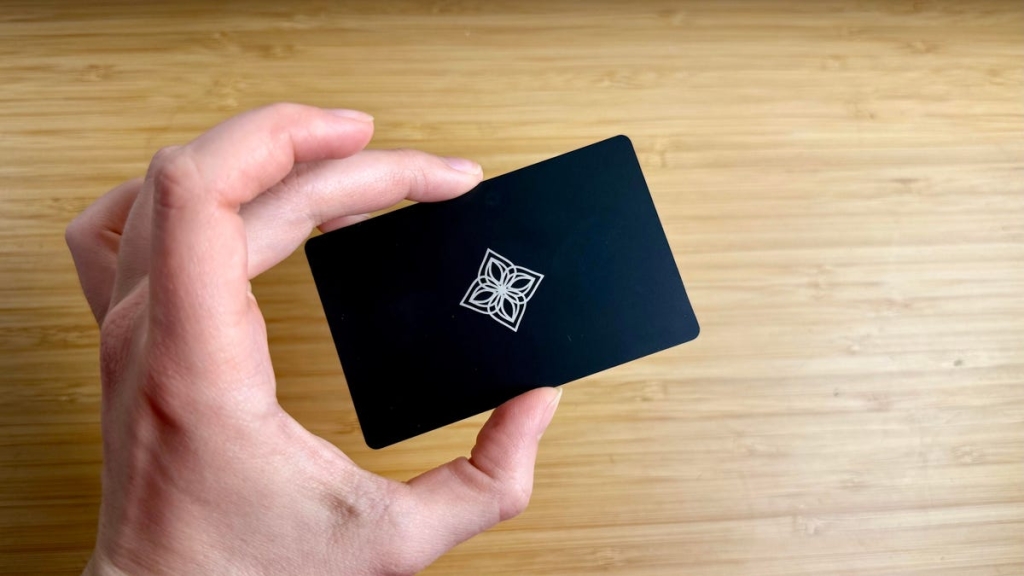
Bloom Card Review: The NFC Solution to Phone Addiction That’s Cheaper Than Brick
If you’ve ever felt like your phone has become an extension of your hand—and not in a good way—you’re not alone. Recent studies suggest the average person spends over four hours a day glued to their screen, which adds up to roughly 16 years of your life scrolling through social media, messaging apps, and endless notifications.
That’s the sobering statistic the Bloom Card presents when you first set it up. And it’s exactly why products like Bloom and its competitor Brick are gaining traction among those looking to reclaim their time and attention.
What Is the Bloom Card?
The Bloom Card is a sleek NFC-enabled card that acts as a physical barrier between you and your phone’s most distracting apps. At $39, it’s $15 cheaper than Brick, making it an attractive option for budget-conscious digital minimalists.
Here’s how it works: you tap your phone to the card, and it blocks access to apps you’ve designated as distractions. Want to focus on work without Instagram tempting you? Tap the card. Need an uninterrupted dinner with family? Tap again. It’s that simple.
The App Experience: Where Bloom Shines
While the hardware is nearly identical to Brick, Bloom’s app is where it differentiates itself. The interface is intuitive and visually appealing, with several standout features:
Smart Scheduling: Unlike Brick, which requires manual setup for every blocking session, Bloom comes with pre-configured schedules like “Morning Zen” (6-9 AM), “Deep Work” (10 AM-noon), and “Wind Down” (6-9 PM). You can customize these or create your own, but the defaults save considerable setup time.
Social Accountability: The Friends tab lets you connect with others using Bloom, creating a sense of community and accountability. You can see who’s focusing alongside you and even compete on global leaderboards—a clever gamification that actually works.
Insights Dashboard: Track your progress with detailed analytics showing screen time, daily pickups, and focus hours. It’s satisfying to watch those numbers improve over time.
The Five-Minute Break Controversy
Here’s where Bloom takes a different approach from Brick: it allows three five-minute breaks per session. The idea is to prevent users from completely abandoning the card when they absolutely need to check something urgent.
However, this feature can be a double-edged sword. During testing, I found myself abusing these breaks, using them as excuses to check notifications I didn’t really need. For someone with serious phone addiction, these breaks can undermine the entire purpose of the device.
Brick, by contrast, is more rigid—once you tap, you’re committed until you tap again. This strictness, while potentially frustrating, is more effective for breaking addictive patterns.
Real-World Testing: The Good, The Bad, and The Glitchy
Over several weeks of testing, the Bloom Card proved mostly reliable. The NFC tap worked consistently, and the scheduling features were genuinely helpful for structuring my day.
However, I encountered a significant bug: one morning, my “Morning Zen” schedule continued blocking apps well past the 9 AM cutoff. Without the card nearby, I was locked out for hours and had to delete the app to regain access. This same issue occurred with Brick, suggesting it’s a broader problem with these types of devices rather than specific to Bloom.
Who Should Buy Bloom vs. Brick?
Choose Bloom if:
- You’re on a budget ($39 vs. $54)
- You appreciate pre-configured schedules that save setup time
- You enjoy tracking progress and competing with friends
- You have moderate phone use habits and can resist abusing the break feature
Choose Brick if:
- You have severe phone addiction and need maximum discipline
- You prefer a simpler, less gamified approach
- You don’t mind spending an extra $15 for potentially better focus
The Verdict
The Bloom Card is an excellent entry point into digital wellness tools. It’s affordable, user-friendly, and genuinely effective at reducing screen time—provided you can resist the temptation of those five-minute breaks.
For casual users or those new to digital wellness, Bloom offers the perfect balance of structure and flexibility. For hardcore phone addicts, Brick’s stricter approach might be more appropriate, despite the higher price tag.
Either way, both devices represent a growing awareness that our relationship with technology needs boundaries—and sometimes, the best way to create those boundaries is with a simple tap of a card.
Tags: #PhoneAddiction #DigitalWellness #BloomCard #ScreenTime #NFC #Focus #Productivity #TechReview #DigitalMinimalism #SocialMediaDetox #WorkLifeBalance #TechGadgets #Mindfulness #AttentionEconomy #SmartphoneAddiction
Viral Phrases: “16 years of your life scrolling” “NFC card that blocks your apps” “cheaper than Brick but just as effective” “the physical barrier between you and doomscrolling” “gamifying your digital detox” “breaks that defeat the purpose” “NFC-enabled digital wellness” “the $39 solution to phone addiction” “tap to focus, tap to scroll” “reclaim 16 years of your life”
,

Leave a Reply
Want to join the discussion?Feel free to contribute!