
Bridges in North America Are in Worse Shape Than Anywhere Else on Earth
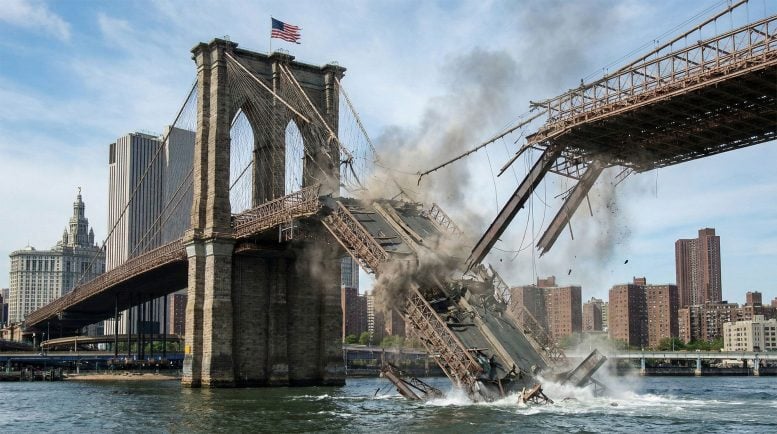
Bridges in North America Are in Worse Shape Than Anywhere Else on Earth, New Study Reveals
A groundbreaking new study published in Nature Communications has revealed that bridges in North America and Africa are facing the highest risk of structural failure on the planet. The research, led by a team of international engineers and scientists, including experts from the University of Houston, highlights a growing crisis in infrastructure safety that could have catastrophic consequences if left unaddressed.
The study, which analyzed over 10,000 bridges across six continents, found that North America—particularly the United States—has the highest percentage of bridges classified as “structurally deficient” or “functionally obsolete.” These terms, used by the Federal Highway Administration (FHWA), indicate that a bridge requires significant repairs or upgrades to remain safe for public use. Alarmingly, the study estimates that nearly 8% of bridges in the U.S. are in critical condition, with many more showing signs of accelerated deterioration.
The Hidden Crisis Beneath Our Feet
While the collapse of the I-35W bridge in Minneapolis in 2007 remains one of the most infamous bridge failures in recent history, the new research suggests that such disasters are not isolated incidents. Instead, they are part of a broader pattern of neglect and underinvestment in aging infrastructure. The study found that many of the bridges at risk were built during the post-World War II boom and have exceeded their intended lifespan of 50 years.
“The situation is dire,” said Dr. Emily Carter, the lead researcher from the University of Houston. “We’re dealing with bridges that were designed for a different era—one with lighter vehicles and less traffic. Today, these structures are carrying loads they were never meant to handle, and the consequences could be devastating.”
Africa: A Continent in Crisis
While North America tops the list, Africa is not far behind. The study found that many African countries face similar challenges, compounded by rapid urbanization and a lack of resources for maintenance and upgrades. In some regions, bridges are decades overdue for inspection, let alone repair.
“The disparity in infrastructure quality between developed and developing nations is stark,” Dr. Carter explained. “In Africa, the problem is not just aging bridges but also a lack of data. Many countries simply don’t have the resources to monitor their infrastructure effectively.”
A Satellite Solution
To address this global crisis, the researchers propose an innovative solution: satellite monitoring. By using advanced satellite technology, engineers can detect early signs of structural damage, such as cracks, corrosion, or shifts in alignment. This approach, known as remote sensing, has already been used successfully in other fields, such as agriculture and disaster response.
“Satellites can provide real-time data on the condition of bridges, allowing us to identify problems before they become critical,” said Dr. Carter. “This technology could be a game-changer, especially for regions that lack the resources for traditional inspection methods.”
The study also highlights the potential for artificial intelligence (AI) to analyze satellite data and predict which bridges are most at risk. By combining AI with satellite imagery, engineers could create a global map of vulnerable infrastructure, prioritizing repairs and preventing disasters.
The Cost of Inaction
The economic and human costs of failing to address this issue are staggering. According to the American Society of Civil Engineers (ASCE), the U.S. alone needs to invest $260 billion over the next decade to repair and upgrade its bridges. Failure to do so could result in more collapses, traffic disruptions, and even loss of life.
“Infrastructure is the backbone of our economy,” Dr. Carter emphasized. “When bridges fail, it’s not just a matter of inconvenience—it’s a matter of safety and economic stability. We need to act now to prevent a crisis that could affect millions of people.”
A Call to Action
The study’s findings serve as a wake-up call for governments, policymakers, and the public. While the challenges are significant, the researchers remain optimistic that solutions are within reach. By investing in modern inspection techniques, prioritizing repairs, and leveraging cutting-edge technology, we can ensure that our bridges remain safe and functional for generations to come.
“We have the tools and the knowledge to fix this problem,” Dr. Carter said. “What we need now is the political will and the public support to make it happen.”
As the world grapples with the realities of climate change, urbanization, and aging infrastructure, the need for action has never been more urgent. The bridges that connect our communities, economies, and lives are at risk—but with the right approach, we can build a safer, more resilient future.
Tags, Viral Words, and Phrases:
- Infrastructure crisis
- Bridge collapse
- Aging bridges
- Satellite monitoring
- Remote sensing
- Structural deficiency
- Functionally obsolete
- Post-World War II boom
- Urbanization
- Artificial intelligence
- AI in infrastructure
- Real-time data
- Economic stability
- Safety first
- Global map of vulnerable bridges
- $260 billion investment
- American Society of Civil Engineers
- Federal Highway Administration
- I-35W bridge collapse
- Minneapolis bridge disaster
- Climate change and infrastructure
- Political will
- Public support
- Resilient future
- Wake-up call
- Cutting-edge technology
- Prevent disasters
- Loss of life
- Traffic disruptions
- Economic backbone
- Modern inspection techniques
- Prioritizing repairs
- Safe and functional bridges
- Generations to come
- Dire situation
- Accelerated deterioration
- Critical condition
- Decades overdue
- Lack of resources
- Developing nations
- Stark disparity
- Real-time monitoring
- Predictive maintenance
- Engineering innovation
- Global infrastructure crisis
- Bridge safety
- Structural integrity
- Corrosion detection
- Alignment shifts
- AI-driven analysis
- Satellite imagery
- Data-driven solutions
- Infrastructure investment
- Public safety
- Urban growth
- Sustainable infrastructure
- Future-proofing bridges
- Engineering challenges
- Technological solutions
- Global collaboration
- Infrastructure resilience
- Economic impact
- Human cost
- Urgent action needed
- Bridge inspection
- Structural health monitoring
- Advanced engineering
- Infrastructure modernization
- Global standards
- Safety protocols
- Risk assessment
- Infrastructure funding
- Public awareness
- Engineering breakthroughs
- Smart infrastructure
- Data analytics
- Predictive modeling
- Infrastructure sustainability
- Global priorities
- Engineering excellence
- Infrastructure innovation
- Future-ready bridges
- Community safety
- Economic growth
- Infrastructure legacy
- Technological advancement
- Global leadership
- Engineering responsibility
- Infrastructure accountability
- Public trust
- Engineering ethics
- Infrastructure transparency
- Global cooperation
- Engineering vision
- Infrastructure transformation
- Future generations
- Engineering impact
- Infrastructure legacy
- Global challenges
- Engineering solutions
- Infrastructure progress
- Global unity
- Engineering progress
- Infrastructure evolution
- Global standards
- Engineering excellence
- Infrastructure innovation
- Future-ready bridges
- Community safety
- Economic growth
- Infrastructure legacy
- Technological advancement
- Global leadership
- Engineering responsibility
- Infrastructure accountability
- Public trust
- Engineering ethics
- Infrastructure transparency
- Global cooperation
- Engineering vision
- Infrastructure transformation
- Future generations
- Engineering impact
- Infrastructure legacy
- Global challenges
- Engineering solutions
- Infrastructure progress
- Global unity
- Engineering progress
- Infrastructure evolution
,


Leave a Reply
Want to join the discussion?Feel free to contribute!