
Mamdani Forces Delivery Apps to Pay Back $4.6 Million Cheated From Drivers
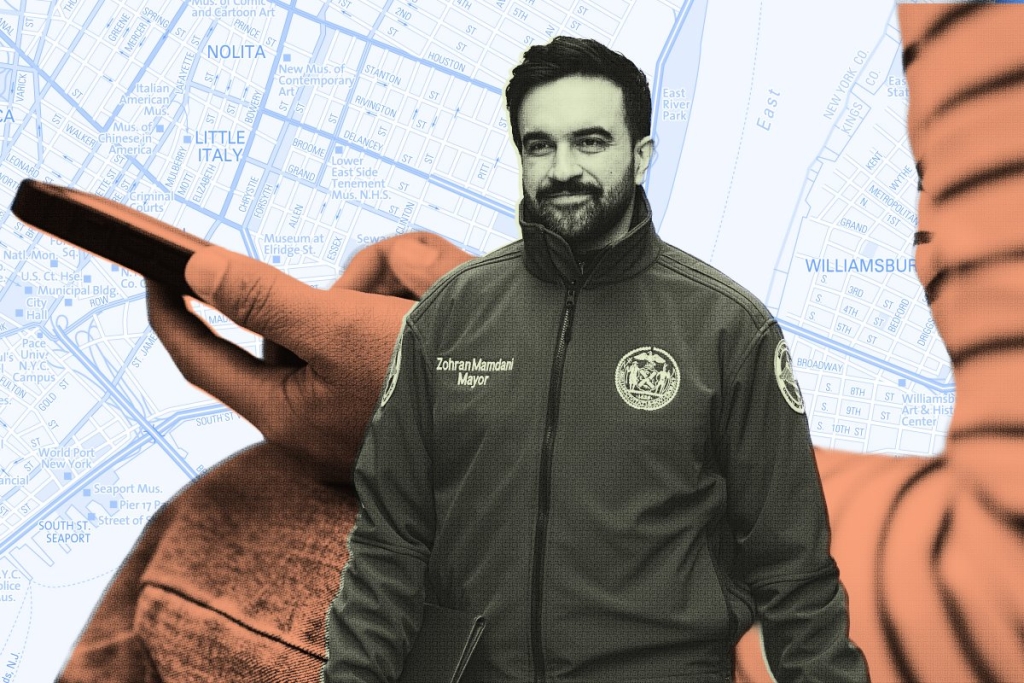
New York City’s New Mayor Delivers Crushing Blow to Delivery Giants, Forcing $4.6 Million in Wage Restitution
In a seismic shift that’s sending shockwaves through Silicon Valley and Wall Street alike, New York City’s freshly-minted mayor Zohran Mamdani has wasted no time making good on his worker-first promises. Just weeks into his term, the progressive firebrand has orchestrated what industry insiders are calling a “regulatory earthquake” that’s already costing delivery behemoths millions in back wages and penalties.
The Department of Consumer and Worker Protection, under Commissioner Sam Levine’s leadership, has forced Uber Eats, Fantuan, and Hungry Panda to collectively fork over $4.6 million in restitution to thousands of exploited delivery workers—known locally as “deliveristas.” The settlements, announced in a bombshell press conference, represent the most significant regulatory victory for gig economy workers in years.
“This isn’t just about money—it’s about dismantling a system built on worker exploitation,” Levine declared, his voice ringing with unmistakable satisfaction. “The era of giant corporations juicing profits by underpaying workers is over.”
The numbers tell a damning story. Uber Eats alone faces a staggering $3.15 million in worker relief penalties affecting over 48,000 workers, with individual payouts ranging from a modest $8.79 to a substantial $276.15. The company must also pay $350,000 in civil fines to the city—a mere rounding error for a company that raked in $13.7 billion in revenue last year, but a symbolic victory for Mamdani’s unapologetically pro-worker administration.
What makes this crackdown particularly noteworthy is its timing and scope. The investigation, which also scrutinized GrubHub and DoorDash, uncovered systematic wage theft and algorithmic deactivation practices that had gone unchecked for years. Between December 4, 2023, and September 2, 2024, Uber Eats allegedly deactivated and underpaid thousands of workers, often without warning or explanation.
“For years, app companies treated the law as optional—hiding behind algorithms, stealing wages, and deactivating workers without consequence,” said Ligia Guallpa, executive director of the Workers’ Justice Project. “The scale of these abuses proves what deliveristas have been saying for years: exploitation is not an accident—it’s baked into the app delivery business model.”
The settlements represent more than just financial penalties; they’re a direct challenge to the entire gig economy business model that has long relied on worker misclassification and algorithmic control to maximize profits. Industry analysts are already speculating about the potential ripple effects across the sector.
James Parrott, senior fellow at the Center for New York City Affairs at The New School, minced no words in his assessment: “For far too long, delivery and other online labor platform companies have not only underpaid workers, but deactivated them with abandon, denying workers the ability to make a living.”
In a surprising twist, Uber hasn’t mounted the defensive posturing typical of tech giants facing regulatory scrutiny. Instead, the company’s spokesman Josh Gold issued a remarkably conciliatory statement: “We’re glad to have this resolved. After DCWP notified us of the issue in August 2024, we immediately corrected it, agreed to pay more than the amount owed, and appreciate the new administration moving quickly to bring this to a fair conclusion.”
This cooperative stance may signal a strategic pivot for tech companies facing increasingly hostile regulatory environments. With Mamdani’s administration showing no signs of backing down, and similar investigations reportedly underway in other major cities, the days of tech giants operating with impunity may be numbered.
The settlements arrive at a particularly sensitive moment for the delivery industry, which has already been grappling with technological disruption and public relations nightmares. Just weeks ago, a delivery robot met a gruesome end after getting stuck on train tracks—a metaphor, perhaps, for an industry struggling to navigate the rapidly changing landscape of worker rights and corporate accountability.
As Mamdani settles into his role as America’s most worker-friendly mayor, one thing is clear: the balance of power between tech giants and the workers they depend on is shifting, and the delivery app industry may never be the same.
Tags: #DeliveryAppCrackdown #GigEconomyJustice #WorkerRightsVictory #TechRegulation #NYCProgressives #MamdaniEffect #DeliveristaPower #WageTheftExposed #SiliconValleyUnderSiege #AlgorithmAccountability #ProgressivePolicyWins #CorporateAccountability #WorkerFirstPolitics
Viral Sentences: “The era of giant corporations juicing profits by underpaying workers is over” / “Exploitation is not an accident—it’s baked into the app delivery business model” / “For far too long, delivery and other online labor platform companies have not only underpaid workers, but deactivated them with abandon” / “We’re glad to have this resolved” (Uber’s surprisingly humble response) / “The balance of power between tech giants and the workers they depend on is shifting”
,


Leave a Reply
Want to join the discussion?Feel free to contribute!