
Chinese Scientists Bioengineering Plants With Firefly Genes to Glow, in Effort to Light Cities at Night
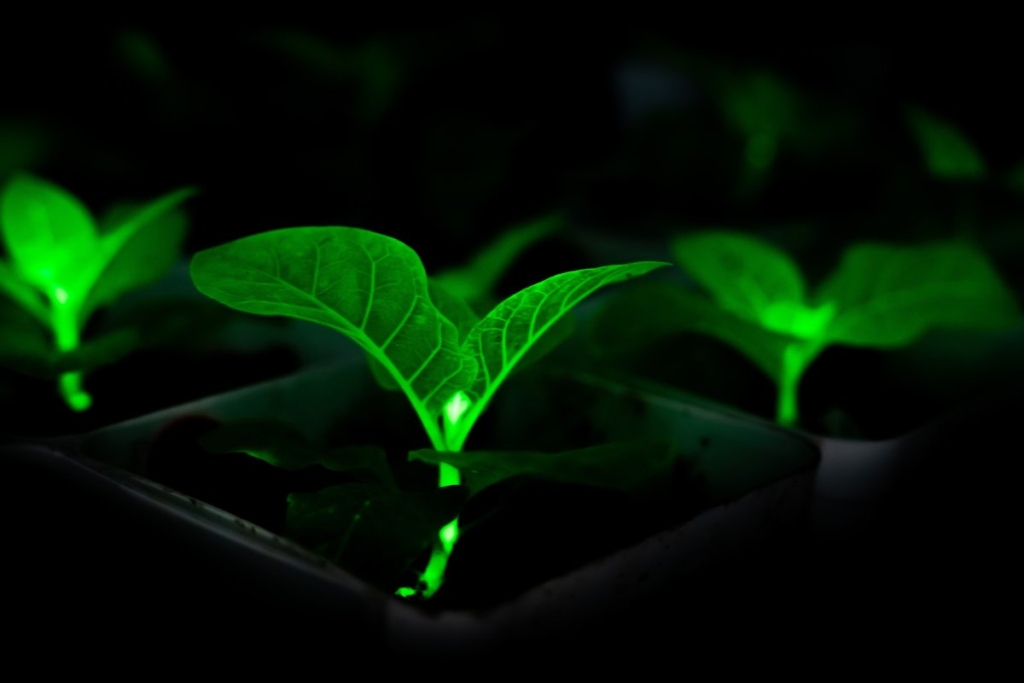
Scientists Create Glowing Plants That Could Light Up Cities and Transform Tourism
In a breakthrough that sounds straight out of science fiction, Chinese scientists have unveiled a new generation of genetically engineered plants that glow in the dark—offering a futuristic twist on urban landscaping and sustainable city lighting.
These bioluminescent marvels, developed by the biotechnology company Magicpen Bio, were created by splicing genes from fireflies and glowing fungi directly into plant cells. The result? Over twenty species of flora that emit a soft, ethereal glow, including orchids, sunflowers, chrysanthemums, and more.
“Imagine a valley filled with glowing plants in the dark—it would be like bringing the ‘Avatar’ world to Earth,” said Li Renhan, founder of Magicpen Bio, in an interview with Euronews. The comparison to James Cameron’s blockbuster sci-fi universe isn’t far-fetched. These plants could transform parks, gardens, and public spaces into luminous, otherworldly landscapes—perfect for attracting tourists and revitalizing nighttime economies.
This innovation builds on the momentum of the “Firefly Petunia,” a glowing household plant released in 2024 by Light Bio. That plant, created by injecting genes from bioluminescent mushrooms, became a viral sensation for its brightness and novelty. But Magicpen Bio’s achievement is on another scale entirely: instead of one glowing species, they’ve engineered over twenty, opening the door to entire glowing gardens, parks, and even urban corridors.
The potential applications go beyond tourism. Li envisions these plants playing a role in sustainable urban planning. “These plants don’t need electricity. They only need water and fertilizer. They save energy, reduce emissions, and can light up cities at night,” he explained.
While they won’t replace streetlights entirely, these glowing plants could illuminate darker sections of cities in a way that’s both enchanting and eco-friendly. Parks and public spaces could remain accessible after dark without the cost and energy consumption of traditional lighting. It’s a small but significant step toward greener, more sustainable cities.
Interestingly, this isn’t the only glowing plant innovation coming out of China. Last year, researchers from South China Agricultural University unveiled their own glowing succulents, but with a completely different approach. Instead of gene-editing, they injected metal nanoparticles—including strontium and aluminum—into the plants’ leaves. These metals were “charged” by sunlight during the day and emitted an afterglow at night. By tweaking the metal mixtures, the researchers could even control the color of the glow.
Together, these breakthroughs signal a new era in bioluminescent plant technology. Whether through genetic engineering or nanotechnology, scientists are finding creative ways to make plants glow—and the possibilities are as endless as they are dazzling.
As cities around the world grapple with energy efficiency and sustainability, innovations like these could offer a glimpse into a future where nature and technology work hand in hand to light up our lives—literally.
Tags: glowing plants, bioluminescent flora, sustainable lighting, urban innovation, gene editing, firefly genes, glowing fungi, Magicpen Bio, Avatar-like plants, eco-friendly cities, tourism, nighttime economy, nanotechnology, strontium, aluminum, urban parks, energy efficiency, futuristic technology, plant biotechnology, glowing orchids, glowing sunflowers, glowing chrysanthemums, sustainable urban planning, glowing succulents, metal nanoparticles, science fiction, urban landscaping, green technology, glowing gardens, bioluminescent mushrooms, Light Bio, Firefly Petunia, South China Agricultural University, energy-saving plants, glowing foliage, nature and technology, glowing cities, bioluminescent innovation, glowing ecosystems, urban design, green energy, futuristic cities, glowing public spaces, bioluminescent tourism, glowing parks, glowing streets, glowing urban corridors, glowing foliage, glowing nature, glowing technology, glowing future, glowing innovation, glowing science, glowing plants for cities, glowing plants for tourism, glowing plants for sustainability, glowing plants for energy efficiency, glowing plants for urban design, glowing plants for green technology, glowing plants for futuristic cities, glowing plants for glowing gardens, glowing plants for glowing parks, glowing plants for glowing streets, glowing plants for glowing urban corridors, glowing plants for glowing foliage, glowing plants for glowing nature, glowing plants for glowing technology, glowing plants for glowing future, glowing plants for glowing innovation, glowing plants for glowing science.
,


Leave a Reply
Want to join the discussion?Feel free to contribute!