
Nose-Picking May Have a Surprise Link With Alzheimer’s, Study in Mice Suggests : ScienceAlert
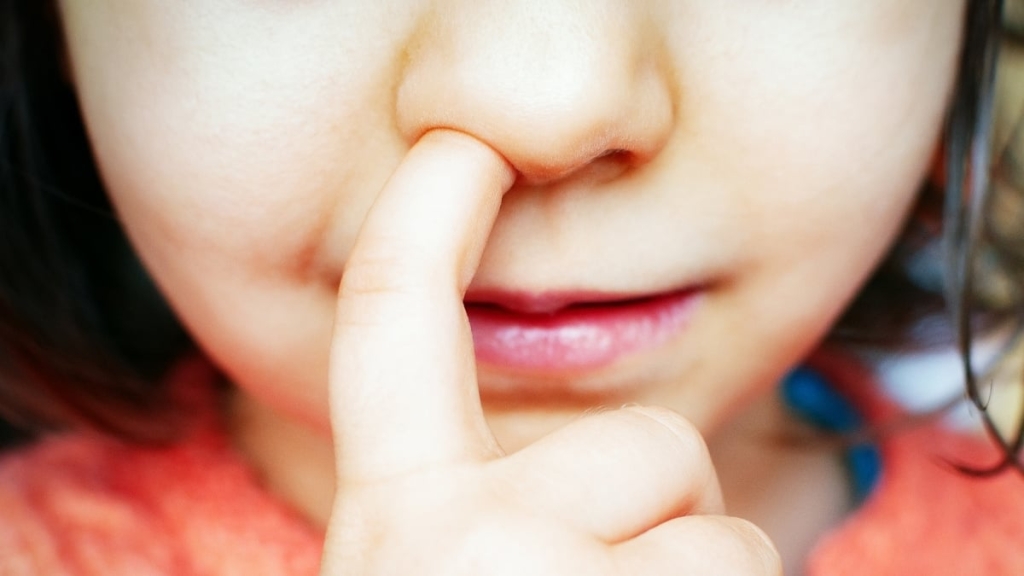
Nose Picking and Dementia Risk: New Study Suggests Shocking Link
A groundbreaking study from Griffith University in Australia has revealed a potential connection between nose picking and an increased risk of developing Alzheimer’s disease and dementia, sending shockwaves through the medical community.
The research, published in Scientific Reports, suggests that when nose picking causes damage to the delicate nasal tissue, it creates a pathway for harmful bacteria to travel directly to the brain via the olfactory nerve. This discovery has scientists urging people to reconsider this common habit.
The Bacterial Highway to Your Brain
The study focused on Chlamydia pneumoniae, a bacterium known to cause pneumonia that has been found in the majority of human brains affected by late-onset dementia. In experiments with mice, researchers observed that this bacterium could travel from the nasal cavity up the olfactory nerve and into the brain within just 24 to 72 hours.
“What’s particularly alarming is the speed at which this occurs,” explains neuroscientist James St John, who led the research. “We saw this happen in a mouse model, and the evidence is potentially scary for humans as well.”
How Nose Picking Creates the Perfect Storm
When the protective nasal epithelium—the thin tissue lining the roof of the nasal cavity—is damaged through picking or plucking nose hairs, it becomes easier for bacteria to access the brain. Once there, the brain responds by depositing amyloid-beta proteins, the same proteins that form characteristic plaques found in Alzheimer’s patients.
The research team was surprised to find that when nasal tissue damage occurred, nerve infections worsened significantly, leading to increased amyloid-beta protein deposits in the mouse brains. These protein clumps are a hallmark of Alzheimer’s disease and are believed to play a crucial role in its development.
From Mice to Humans: The Unanswered Questions
While the study was conducted on mice, the implications for human health are concerning. “We need to do this study in humans and confirm whether the same pathway operates in the same way,” St John emphasizes. “What we do know is that these same bacteria are present in humans, but we haven’t worked out how they get there.”
The olfactory system, which connects the nose directly to the brain, represents “a plausible route for pathogen entry, given its direct anatomical connection to the brain and its involvement in the early stages of AD,” according to a 2023 review from Western Sydney University that further advanced these findings.
The Hygiene Connection
The research draws parallels to lessons learned during the COVID-19 pandemic. “One of the lessons learned from COVID-19 is the value of hand hygiene through frequent hand washing and the use of hand sanitizers,” the researchers note. They suggest that improved hand hygiene could be a simple preventive measure against this potential risk factor.
This recommendation is particularly relevant given that nose picking is an incredibly common habit—studies suggest that up to 91% of people engage in this behavior, often unconsciously.
Beyond Age: Environmental Factors in Alzheimer’s
The findings suggest that Alzheimer’s disease may not be solely an age-related condition but could involve environmental exposure to pathogens. “Once you get over 65 years old, your risk factor goes right up, but we’re looking at other causes as well, because it’s not just age—it is environmental exposure as well,” St John explains.
The researchers believe that bacteria and viruses are critical factors in the development of Alzheimer’s, alongside the more commonly recognized genetic and age-related risk factors.
The Scientific Community’s Response
The study has generated significant interest in the scientific community, with researchers calling for further investigation into this potential pathway. The complexity of Alzheimer’s disease is evident in the sheer number of studies exploring different angles, from genetic factors to environmental triggers.
Some scientists are particularly interested in whether the increased amyloid-beta protein deposits represent a natural immune response that could potentially be reversed once the infection is cleared, rather than a permanent pathological change.
What This Means for You
While more research is needed to confirm these findings in humans, the study provides a compelling reason to break the nose-picking habit. The researchers advise against both picking and plucking nose hairs, as both activities can damage the protective nasal lining.
“If you damage the lining of the nose, you can increase how many bacteria can go up into your brain,” St John warns. This simple behavioral change could potentially reduce your risk of developing neurodegenerative conditions later in life.
The Bigger Picture
This research adds to a growing body of evidence suggesting that Alzheimer’s disease may have infectious or environmental components. It joins other studies exploring various potential causes, from oral bacteria to viral infections, highlighting the complex nature of this devastating disease.
As the global population ages and Alzheimer’s cases continue to rise, understanding all potential risk factors becomes increasingly important. This study represents another piece of the puzzle in our quest to prevent and treat this condition that affects millions of people worldwide.
The research team plans to conduct further studies to confirm these findings in humans and explore potential interventions that could block this bacterial pathway to the brain, offering hope for new preventive strategies against Alzheimer’s disease.
Tags: nose picking, dementia risk, Alzheimer’s disease, brain health, nasal hygiene, bacterial infection, olfactory nerve, Griffith University research, neurodegenerative disease, cognitive decline, hand hygiene, pandemic lessons, medical breakthrough, health warning, preventive medicine
Viral Sentences:
- “Scientists discover shocking link between nose picking and Alzheimer’s disease”
- “The habit 9 out of 10 people have could increase dementia risk”
- “Bacteria can travel from your nose to your brain in just 24 hours”
- “Why picking your nose might be worse than you thought”
- “The COVID-19 hygiene lesson that could prevent Alzheimer’s”
- “Your nose might be the secret pathway to brain disease”
- “Scientists warn: Stop picking your nose immediately”
- “The unexpected habit that could be damaging your brain”
- “New research reveals how common bacteria reach your brain”
- “Could breaking this gross habit save your memory?”
,


Leave a Reply
Want to join the discussion?Feel free to contribute!