
Can India be a player in the computer chip industry?
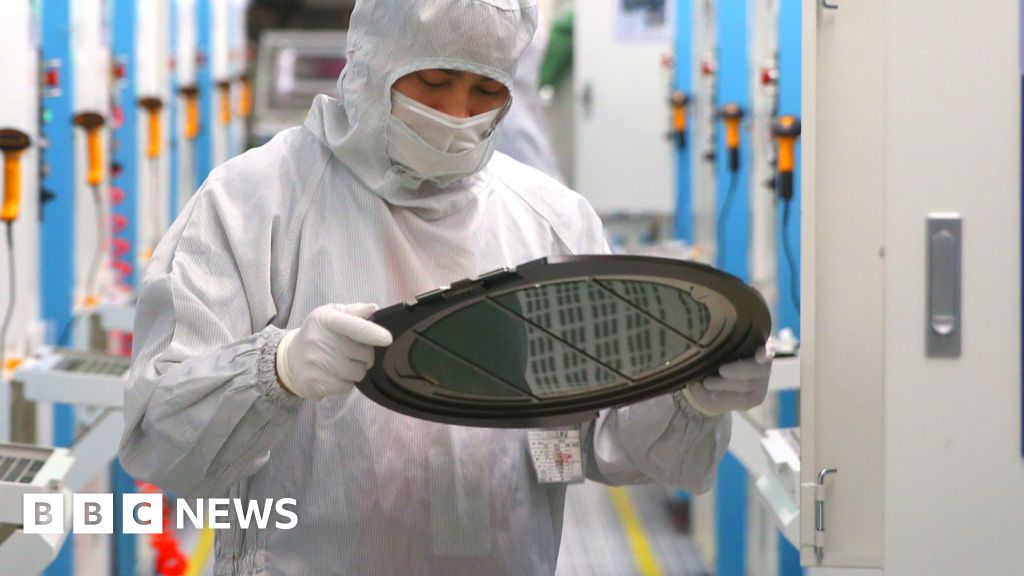
India is making a bold and transformative move in the global technology arena by committing hundreds of millions of dollars to establish itself as a major player in the semiconductor chip industry. This strategic investment is not only a response to the worldwide chip shortage that has disrupted industries across the globe but also a visionary step towards achieving technological self-reliance and economic growth.
Semiconductor chips are the backbone of modern technology, powering everything from smartphones and laptops to automobiles and advanced medical equipment. The COVID-19 pandemic exposed the vulnerabilities of the global supply chain, particularly in the semiconductor sector, where a handful of countries dominate production. India, recognizing the critical importance of chips to its digital economy, has decided to take matters into its own hands.
The Indian government has unveiled a comprehensive plan to attract global semiconductor manufacturers and foster domestic chip design and fabrication capabilities. The initiative includes financial incentives, tax breaks, and the development of state-of-the-art infrastructure to support chip manufacturing. Major global players, including Intel, TSMC, and Samsung, have expressed interest in setting up facilities in India, which could create thousands of high-tech jobs and boost the country’s export potential.
India’s push into the semiconductor industry is also aligned with its broader vision of becoming a global hub for electronics manufacturing. The government’s “Make in India” and “Digital India” initiatives aim to reduce dependency on imports and position the country as a leader in innovation and technology. By investing in chip manufacturing, India is not only addressing immediate supply chain challenges but also laying the foundation for long-term economic resilience.
The semiconductor industry is notoriously capital-intensive and requires cutting-edge technology, skilled workforce, and a robust ecosystem. India is well aware of these challenges and is taking a phased approach to build its capabilities. The government is partnering with academic institutions, research organizations, and private companies to develop a talent pool of engineers and scientists specializing in semiconductor design and manufacturing. Additionally, efforts are underway to establish semiconductor parks with world-class facilities to attract investments.
One of the key drivers of India’s semiconductor ambitions is the growing demand for electronics within the country. With a population of over 1.4 billion and a rapidly expanding middle class, India is one of the largest consumers of electronic devices. By producing chips domestically, India can reduce costs, improve supply chain efficiency, and cater to the needs of its burgeoning tech-savvy population.
Moreover, India’s entry into the semiconductor industry has significant geopolitical implications. As the world grapples with technological competition and trade tensions, India’s move to build a chip industry could enhance its strategic autonomy and reduce its reliance on countries like China and Taiwan, which currently dominate chip production. This shift could also strengthen India’s position in global trade and diplomacy.
The road ahead is not without challenges. Building a semiconductor industry from scratch requires sustained investment, technological expertise, and a supportive regulatory environment. India will need to navigate complex issues such as intellectual property rights, environmental concerns, and global competition. However, the government’s commitment and the enthusiasm of the private sector suggest that India is serious about overcoming these hurdles.
In conclusion, India’s massive investment in the semiconductor chip industry marks a pivotal moment in its technological journey. By taking bold steps to establish a domestic chip manufacturing ecosystem, India is not only addressing immediate supply chain vulnerabilities but also positioning itself as a global leader in the digital economy. This initiative has the potential to transform India’s economic landscape, create high-skilled jobs, and drive innovation across industries. As the world watches closely, India’s semiconductor ambitions could redefine the future of technology and trade.
#IndiaSemiconductorPush #ChipManufacturing #TechRevolution #DigitalIndia #MakeInIndia #GlobalTech #SemiconductorIndustry #Innovation #EconomicGrowth #SelfReliance #TechInvestment #FutureOfTech #ElectronicsManufacturing #GlobalSupplyChain #TechJobs #IndiaTech #SemiconductorBoom #DigitalTransformation #TechEcosystem #StrategicAutonomy #IndiaRising #TechLeadership #SemiconductorParks #HighTechIndustry #IndiaTechVision #GlobalCompetition #TechInnovation #EconomicResilience #TechTalent #IndiaTechFuture,


Leave a Reply
Want to join the discussion?Feel free to contribute!