
How to Choose the Right Backup Generator for Your Home
U.S. Power Grid on the Brink: Why Backup Generators Are the New Must-Have for Every American Home
The American power grid is in crisis. With a staggering 45% of utility customers experiencing outages in the first half of 2025 alone, and the Department of Energy warning that outage risks could increase 100-fold in the coming years, blackouts are no longer rare inconveniences—they’re becoming the new normal. As climate change fuels extreme weather and AI’s insatiable energy appetite strains the system, homeowners are scrambling for solutions. Enter the backup generator: your ticket to uninterrupted power, comfort, and peace of mind.
But before you rush to the hardware store, choosing the right generator is critical. Here’s everything you need to know to make the smartest investment for your home.
How Much Power Do You Really Need?
The first step is calculating your power requirements. Ask yourself:
- How long do outages last in your area? Brief flickers? Multi-day disasters? Your answer determines the generator’s capacity.
- What do you need to power? Lights and phone chargers? Or the whole shebang—fridge, heat, sump pump, Wi-Fi?
- What’s the wattage? Check appliance labels or manuals. Add up the watts, then multiply by 1.5 to account for surges (like when your fridge compressor kicks on).
Example: Running a fridge (600W), sump pump (1,000W), computer, and lights (400W) totals 2,000W. A 3,000W generator ensures you’re covered.
Portable, Inverter, or Standby: Which Generator Is Right for You?
1. Standby Generators
The ultimate luxury. These natural gas or propane-powered giants (up to 20,000W) automatically kick in during outages, powering your entire home. Perfect for frequent, long blackouts.
Cost: $8,000–$16,000 (plus professional installation).
2. Portable Generators
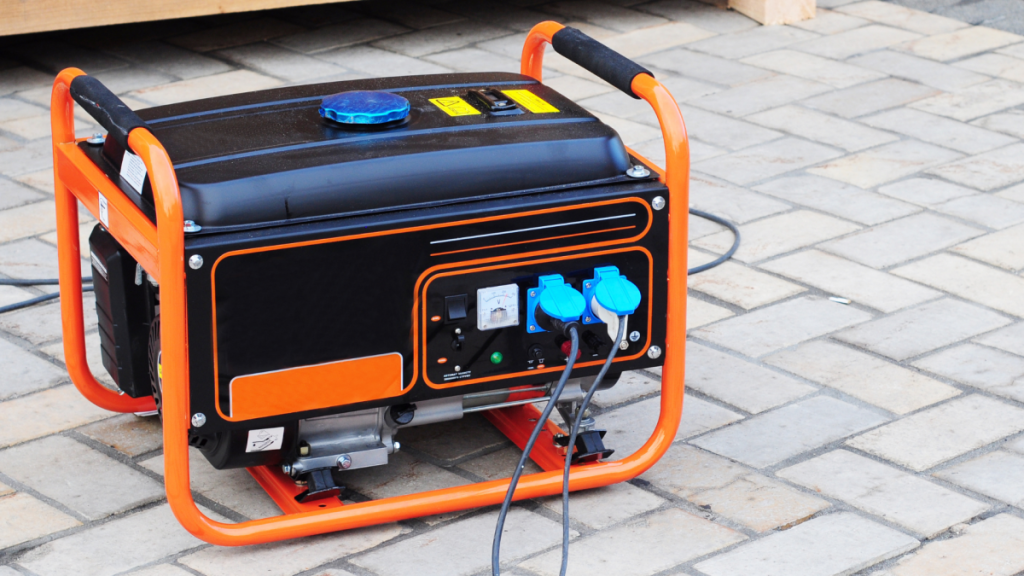
The most popular choice. Ranging from 1,000W to 20,000W, these wheeled units are versatile and affordable. Great for occasional outages or even camping trips.
Cost: $300–$4,000.
3. Inverter Generators
The quiet, efficient upgrade. They adjust power output to match demand, saving fuel and running longer. Ideal for sensitive electronics like computers.
Cost: $350–$4,500.
4. Power Stations
Not technically generators, these rechargeable batteries store power for later use. Solar-compatible but limited by recharge times. Best for short-term backup.
Fuel Types: What’s Best for You?
- Gasoline: Cheap and easy to find, but expires quickly. Store safely and rotate stock.
- Propane: Long shelf life, clean-burning. Ideal if you already use propane at home.
- Diesel: Durable and efficient, but smoky and harder to find.
- Dual/Tri-Fuel: Flexibility to switch between gas, propane, or natural gas. Pay more for versatility.
Must-Have Features
- Electric Start: Say goodbye to pull-cords. Push-button starters are a game-changer for accessibility.
- Automatic Shutdown: Carbon monoxide and low-oil detectors protect your family and generator.
- Ample Receptacles: Ensure you have enough outlets to power everything you need.
The Bottom Line
With the grid crumbling and outages on the rise, a backup generator isn’t just a luxury—it’s a necessity. Whether you opt for a standby powerhouse, a portable workhorse, or a sleek inverter, the right generator will keep your home running smoothly when the lights go out.
Don’t wait for the next blackout to hit. Invest in your peace of mind today.
Tags: #PowerOutage #BackupGenerator #HomePreparedness #EnergyCrisis #ClimateChange #GeneratorGuide #BlackoutSurvival #TechTips #EmergencyPreparedness #SustainableLiving
Viral Phrases:
- “The grid is failing—are you ready?”
- “Don’t be left in the dark—get a generator now!”
- “Power outages are the new normal. Here’s how to beat them.”
- “Your home’s lifeline during a blackout.”
- “The ultimate guide to choosing the perfect generator.”
- “Stay powered, stay safe, stay ahead.”
- “From brief flickers to multi-day disasters—be prepared.”
- “The future of home energy is here.”
- “Don’t just survive—thrive during outages.”
- “The smart homeowner’s secret weapon.”
,


Leave a Reply
Want to join the discussion?Feel free to contribute!