
Even Artemis II Astronauts Have Microsoft Outlook Problems
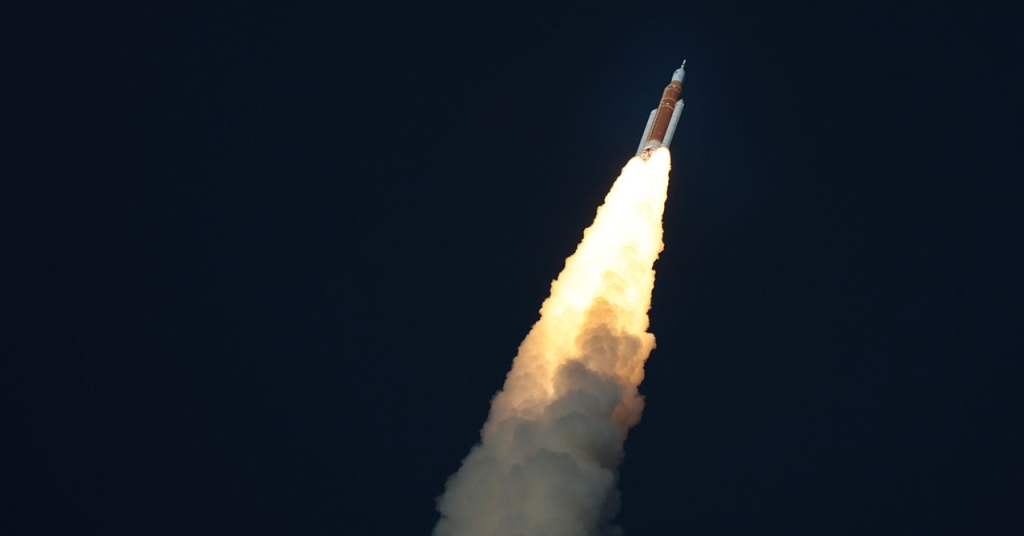
Artemis II Commander Faces Outlook Email Glitch 7 Hours Into Historic Lunar Mission
In a moment that perfectly blends the cutting-edge of human space exploration with the all-too-familiar frustrations of modern digital life, NASA’s Artemis II Commander Reid Wiseman encountered a technical hiccup that millions of office workers know all too well – his Microsoft Outlook email simply stopped working.
Seven hours into the groundbreaking 10-day mission that will carry the four-person crew on a historic lunar flyby, Wiseman radioed mission control in Houston with a problem that instantly resonated with anyone who’s ever stared helplessly at a frozen email client. “I have two Microsoft Outlooks [on my PCD], and neither one of those are working,” the commander reported, his voice carrying the same mix of mild frustration and professional composure that countless professionals have expressed since the dawn of enterprise email.
For those unfamiliar with the technical jargon, PCD stands for Personal Computing Device – specialized laptops or tablets that serve as the astronauts’ primary interface with mission-critical systems and communications. These aren’t your average consumer devices; they’re hardened, radiation-resistant computers designed to function in the harsh environment of space. Yet even these sophisticated machines aren’t immune to the occasional software glitch.
The timing of this particular IT issue adds an extra layer of irony to the situation. Artemis II represents humanity’s return to deep space exploration, with the crew set to travel further from Earth than any humans have gone before – between 6,000 and 9,000 kilometers above the far side of the moon. The mission will test systems and procedures that will eventually enable the first human return to the lunar surface since the Apollo era. And yet, here we are, discussing email troubleshooting protocols.
Wiseman’s request to mission control was both practical and telling: “If you want to remote in and check … those two Outlooks that would be awesome.” This simple statement encapsulates the evolution of space mission support – where once ground control might have needed to physically access hardware, today’s astronauts can receive technical support through remote desktop connections, even while traveling at 17,500 mph or 4.9 miles per second.
Houston’s response was reassuringly competent: they confirmed they would log into Wiseman’s PCD and promised to notify him when the issue was resolved. The audio recording unfortunately ends there, leaving us to wonder about the resolution. Did the IT team discover a simple configuration issue? Was there a network connectivity problem? Or did someone remember to ask the classic troubleshooting question that has become a running joke in IT support circles: “Have you tried turning it off and on again?”
The incident raises fascinating questions about the nature of technology in space exploration. While we often imagine astronauts dealing with complex scientific instruments and life-support systems, the reality is that modern space missions rely heavily on commercial software and familiar computing platforms. The PCDs used on Artemis II likely run specialized versions of Windows, complete with Microsoft Office applications that astronauts use for everything from reviewing mission plans to communicating with family back on Earth.
This isn’t the first time space missions have been affected by what might seem like mundane technical issues. In 2021, the International Space Station experienced problems with its Microsoft Windows-based systems, requiring updates and patches to be sent and installed remotely. The difference, of course, is that the ISS orbits just 400 kilometers above Earth, while Artemis II is venturing into deep space where communication delays and signal strength become significant challenges.
The email outage also highlights the delicate balance between using familiar, user-friendly software and the need for highly specialized, mission-critical systems in space exploration. While Outlook might seem like an odd choice for a lunar mission, its widespread use means that astronauts are already familiar with the interface, reducing training time and potential user errors. Additionally, Microsoft has worked closely with NASA to ensure that their software can function reliably in space environments.
As WIRED reached out to both NASA and Microsoft for comment on the incident, several intriguing possibilities emerged. Could Wiseman have installed third-party add-ins that are notorious for causing conflicts with Outlook? Perhaps a particularly large attachment – maybe even a high-resolution video file of NASA’s own launch coverage, all 6 hours and 22 minutes of it – had exceeded his OneDrive storage limits? Or could this be a reminder that even in space, the age-old debate between Outlook and Gmail continues?
The incident serves as a humbling reminder that no matter how advanced our technology becomes, we’re still bound by the same fundamental challenges that have plagued computer users since the earliest days of personal computing. Whether you’re sitting at a desk in an office building or floating in a spacecraft hurtling toward the moon, sometimes the simplest tasks can become the most challenging.
Looking at the broader context of space mission software failures, Wiseman’s Outlook issue seems almost trivial. In 1962, NASA’s Mariner 1 spacecraft was intentionally destroyed just 293 seconds after launch due to a guidance system failure caused by a single missing hyphen in handwritten code. That single character error cost $18.5 million at the time – equivalent to over $200 million today – and earned the dubious distinction of being “the most expensive hyphen in history.”
As we await further details from NASA and Microsoft about the resolution of this cosmic email crisis, one thing is clear: the future of space exploration will continue to be shaped by both the extraordinary and the everyday. While Artemis II represents a giant leap for human spaceflight, it also reminds us that even as we reach for the stars, we’re still human beings dealing with very human problems – like email that just won’t cooperate.
ArtemisII #NASA #SpaceTech #Outlook #EmailProblems #SpaceMission #TechGlitch #HoustonWeHaveAProblem #Microsoft #PCD #LunarMission #DeepSpace #ITSupport #SpaceExploration #Wiseman #MissionControl #SoftwareIssues #SpaceComputing #EnterpriseSoftware #NASAProblems #EmailOutage #SpaceIT #TechSupport #AstronautLife #DigitalAge #SpaceAge #TechHumor #MissionCritical #SoftwareBugs #SpaceCommunications
Would Gmail have been better (especially now you can change your name)? How will he receive one of WIRED’s out-of-this-world newsletters if this sticky situation continues? Vital questions, all of them.
,


Leave a Reply
Want to join the discussion?Feel free to contribute!