
Nipah Virus Outbreak Has Asia on High Alert Amid Deaths in India : ScienceAlert
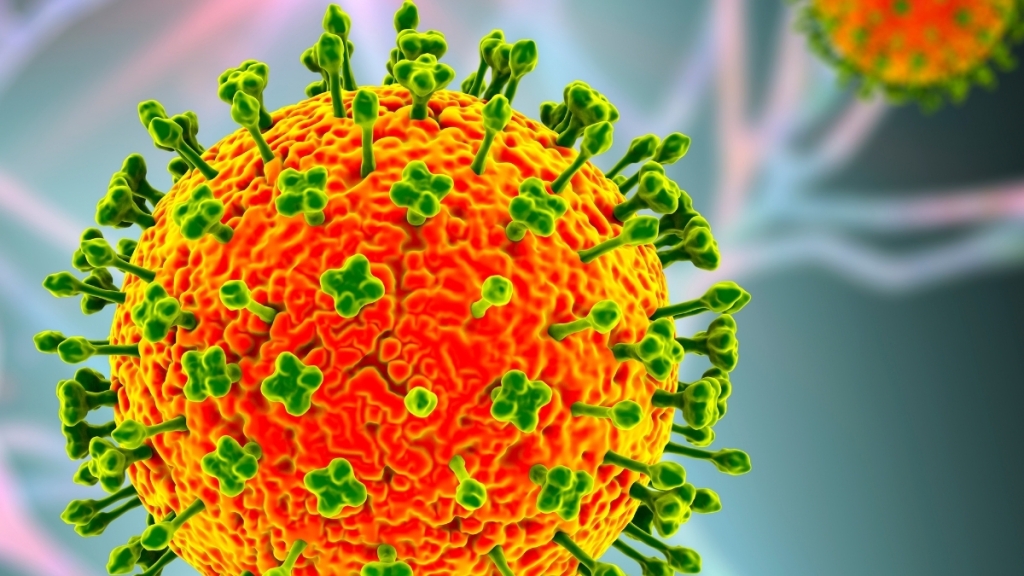
Deadly Nipah Virus Outbreak in India Triggers Global Health Alert
A deadly outbreak of the Nipah virus in India has sent shockwaves through the global health community, with experts warning of the virus’s alarming 40-75% fatality rate. The recent surge in cases has prompted neighboring countries to implement urgent screening measures, as fears grow over the potential for wider regional spread.
The Crisis Unfolds
At least two people have died in West Bengal, India, with several others under quarantine. The outbreak has triggered immediate responses from Thailand, Malaysia, and Singapore, all of which have ramped up border screenings and testing protocols. Health officials are racing against time to contain the virus before it can establish a foothold beyond India’s borders.
What Makes Nipah Virus So Dangerous?
Nipah virus belongs to the deadly family of henipaviruses, alongside the notorious Hendra virus. First identified in Malaysia in 1998, this zoonotic disease has demonstrated its capacity for devastation through multiple outbreaks across Asia.
The virus operates through three primary transmission pathways:
Animal-to-Human Transmission: Direct contact with infected bats—through saliva, urine, or feces—poses the greatest risk. Pigs have also served as intermediate hosts in past outbreaks.
Food Contamination: Consumption of date palm products contaminated with infected bat secretions has been a documented source of infection.
Human-to-Human Spread: While less common, person-to-person transmission occurs through close contact with infected bodily fluids, particularly in household and healthcare settings.
Symptoms That Strike Fear
The incubation period is deceptively short—just four days to three weeks from exposure to symptom onset. What follows is a rapid and terrifying progression of illness.
Patients typically experience:
- High fever and severe headaches
- Respiratory distress and pneumonia
- Neurological complications including seizures and encephalitis
- Personality changes and psychotic behavior
- Potential paralysis of limbs
- Unconsciousness in severe cases
The neurological impact is particularly devastating. Encephalitis—inflammation of the brain—is the primary cause of the virus’s staggering mortality rate, which claims approximately 50% of those who develop severe infections.
The Long Shadow of Relapse
Adding to the horror, survivors aren’t necessarily safe. Some patients experience relapsed encephalitis years after their initial recovery—sometimes more than a decade later—making Nipah a lifelong threat even for those who survive the initial infection.
The Race for Treatment and Prevention
Currently, there is no approved vaccine for Nipah virus, and treatment options remain limited. However, hope exists in the form of m102.4, an experimental antibody treatment developed in Australia.
Phase 1 trials conducted in 2020 demonstrated that m102.4 was well-tolerated in healthy volunteers, but the treatment remains far from widespread availability. While theoretically possible as a preventative measure, its current development focuses on treating active infections.
Should You Be Worried?
For most of the world, the immediate risk remains low. The virus’s inefficient person-to-person transmission means it lacks the wildfire spread potential of COVID-19. Primary transmission occurs through animal contact and contaminated food sources rather than airborne spread.
However, health authorities emphasize vigilance. Travelers returning from affected areas who develop fever should seek immediate medical attention and disclose their travel history. In outbreak zones, public health measures are being implemented aggressively to prevent wider transmission.
Expert Perspective
“The risk to people living outside current outbreak areas is minimal at this stage,” notes infectious disease expert Allen Cheng from Monash University. “While Nipah is an important disease that requires close monitoring, it’s unlikely to become a pandemic-level threat due to its transmission characteristics.”
The outbreak serves as a stark reminder of the ongoing threat posed by zoonotic diseases and the importance of robust global surveillance systems. As climate change and human encroachment into wildlife habitats increase, the risk of spillover events from animal reservoirs to human populations continues to grow.
For now, the international community watches anxiously as Indian health authorities work to contain this deadly outbreak, hoping that swift action will prevent Nipah from claiming more lives and spreading beyond its current borders.
Tags: Nipah virus outbreak, India health crisis, deadly virus, zoonotic disease, encephalitis outbreak, bat-borne illness, emerging infectious diseases, global health alert, m102.4 treatment, henipavirus family, date palm contamination, neurological symptoms, high fatality rate, Asia disease surveillance, pandemic prevention
Viral Phrases: “40-75% fatality rate,” “brain inflammation,” “no vaccine available,” “relapsed encephalitis,” “race against time,” “global health alert,” “zoonotic spillover,” “deadly outbreak,” “containment efforts,” “experimental treatment,” “border screenings,” “animal-to-human transmission,” “contaminated food sources,” “severe neurological symptoms,” “international health community”
,


Leave a Reply
Want to join the discussion?Feel free to contribute!