
Cybertruck Attempts to Fling Baby Onto Highway
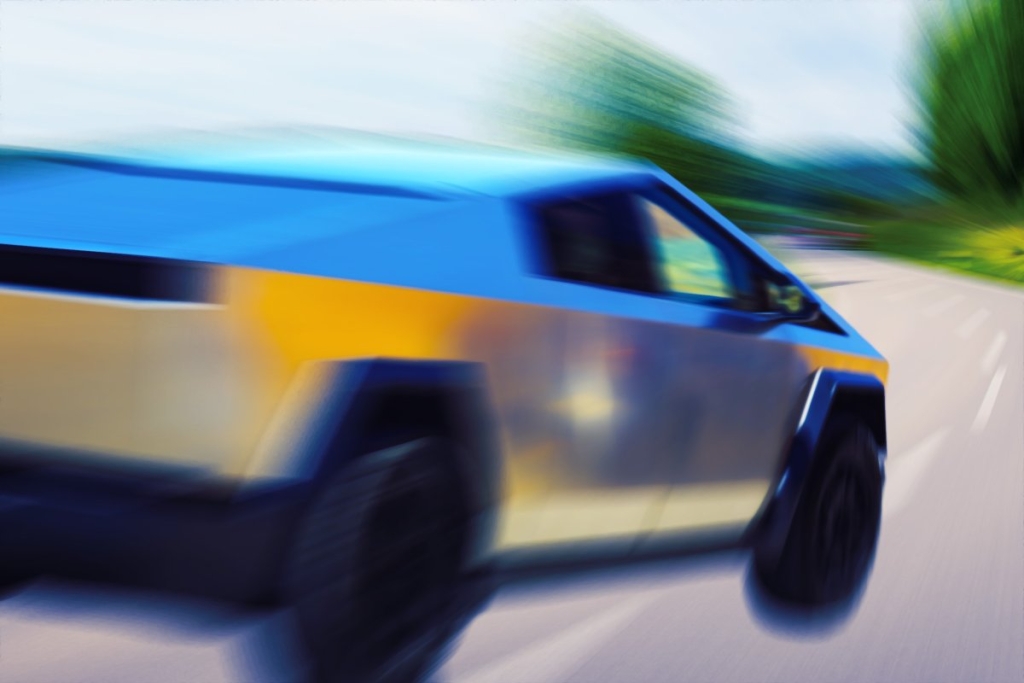
Tesla Cybertruck Door Latch Failure Sparks Safety Concerns After Near-Tragedy
In a chilling incident that has sent shockwaves through the automotive safety community, a Tesla Cybertruck nearly became the scene of a devastating tragedy when its rear passenger door latch failed, nearly ejecting a one-year-old child onto a busy highway.
Oakland resident Viral Shah and his wife were driving their Cybertruck up a highway on-ramp when the unthinkable happened. Without warning, the rear passenger door swung open violently, exposing their infant child to grave danger. “If anyone had been sitting back there without a seatbelt, they would’ve been mush on the street,” Shah told The Oaklandside, his voice still trembling with the memory of those heart-stopping moments.
The stainless steel-clad door, weighing approximately 60 pounds, could have easily caused catastrophic injury had it swung back and crushed the child’s limbs. The couple immediately pulled over, their hearts racing as they checked on their baby. Miraculously, the car seat had prevented the child from being thrown from the vehicle, but the incident exposed a potentially fatal design flaw that could affect thousands of vehicles already on the road.
Upon closer inspection, Shah discovered the root cause: the metal striker loop that secures the door latch was missing one of its two screws and had become completely loose. Even more alarming, he found that the driver’s door also had a screw that had worked itself loose. “This wasn’t a simple defect,” Shah explained. “This was a systemic design flaw affecting those two doors because they were the most heavily used.”
The incident has raised serious questions about Tesla’s quality control and the fundamental safety of the Cybertruck’s door mechanisms. An automotive engineering expert who reviewed photos and videos of the damaged vehicle pointed to potentially improper welding of the “weld-nuts” on the backside of the door’s steel pillar. These components, crucial for maintaining door integrity, may have gradually dislodged through normal use due to manufacturing defects.
Sam Abuelsamid, a car engineer and vice president of market research at Telemetry, explained the gravity of the situation: “This should never, ever happen, but weld-nuts do occasionally break free if there is a process or setup error in the welding equipment or if protective coatings that are used to limit corrosion during shipping of parts are not properly cleaned.”
This incident is far from isolated in the Cybertruck’s troubled history. The vehicle has been recalled an unprecedented ten times since its release, with each recall revealing increasingly concerning safety issues. Previous recalls have addressed problems ranging from accelerator pedals getting stuck in the down position to the vehicle losing power while driving. In one particularly bizarre incident, the Cybertruck’s stainless steel panels were literally flying off because they were adhered with substandard glue.
The door latch failure adds to a growing list of concerns about the Cybertruck’s unique door design. Unlike traditional vehicles, the Cybertruck features electric doors without conventional handles, operated by push buttons from both inside and outside the vehicle. While this design choice aligns with Tesla’s futuristic aesthetic, safety experts argue it creates multiple failure points. In the event of an accident, these electric systems can easily malfunction, potentially trapping occupants inside a damaged vehicle.
The dangers of this design became tragically apparent in 2024 when three recent high school graduates died after being trapped in a burning Cybertruck following a crash. Bystanders at the scene desperately tried to rescue the trapped teens but were unable to open the electric doors after the control systems failed. The incident highlighted the critical importance of reliable emergency release mechanisms, which critics argue are too hidden and impractical in the Cybertruck’s design.
Following the incident, Shah took his vehicle to a Tesla service center, where technicians confirmed the problem in writing, noting on an invoice that the rear passenger door was “damaged due to a loose striker.” Tesla’s response to the potentially deadly defect was to offer to buy back the vehicle for nearly its full purchase price, but only if Shah agreed not to sue the automaker. Faced with the choice between financial compensation and holding Tesla accountable, Shah ultimately accepted the buyback offer.
The incident has reignited debates about electric vehicle safety standards and the rapid pace of innovation in the automotive industry. While Tesla has revolutionized electric vehicle technology, critics argue that the company’s aggressive rollout schedule may be compromising basic safety protocols. The Cybertruck, with its radical design and numerous documented issues, has become a lightning rod for these concerns.
Automotive safety advocates are now calling for more stringent testing requirements for electric vehicles, particularly those with unconventional designs like the Cybertruck. They argue that traditional safety testing protocols may not adequately address the unique failure modes of electric vehicles with complex electronic systems.
As Tesla continues to push the boundaries of automotive design, incidents like this serve as sobering reminders that innovation must never come at the cost of passenger safety. The Cybertruck’s door latch failure isn’t just a manufacturing defect—it’s a wake-up call for the entire electric vehicle industry to prioritize safety over style and speed to market.
Tags: #Tesla #Cybertruck #SafetyHazard #DoorLatchFailure #BabySafety #AutomotiveRecall #EVSafety #TeslaScandal #HighwayHorror #DesignFlaw #ElectricVehicle #AutomotiveEngineering #ConsumerSafety #ViralNews #BreakingNews #TechNews #AutomotiveIndustry #SafetyFirst #TeslaProblems #CarSafety #ViralStory #TrendingNews #TechUpdate #AutomotiveSafety #ElectricCars #TeslaRecall #SafetyConcerns #NearMiss #AutomotiveNews #ViralContent #TrendingTopic #BreakingStory #TechAlert #CarRecall #SafetyIssue #TeslaTrouble #AutomotiveFail #EVConcerns #ViralIncident #SafetyAlert #CarDesign #TeslaControversy #AutomotiveUpdate #ViralReport #TechSafety #CarSafetyIssue #TeslaNews #AutomotiveRecall #EVUpdate #SafetyScandal #TeslaFail #CarIncident #ViralStory #TechNewsAlert #AutomotiveSafetyNews #EVSafetyConcerns #TeslaSafety #CarSafetyAlert #ViralAutomotiveNews #TechSafetyNews #AutomotiveBreakingNews #EVSafetyAlert #TeslaBreakingNews #CarSafetyUpdate #ViralTechNews #AutomotiveSafetyUpdate #EVBreakingNews #TeslaSafetyUpdate #CarSafetyBreakingNews #ViralAutomotiveUpdate #TechSafetyUpdate #AutomotiveSafetyAlert #EVSafetyUpdate #TeslaSafetyAlert #CarSafetyNews #ViralTechUpdate #AutomotiveSafetyNewsUpdate #EVSafetyNews #TeslaSafetyNews #CarSafetyBreakingUpdate #ViralAutomotiveSafetyNews #TechSafetyBreakingNews #AutomotiveSafetyBreakingUpdate #EVSafetyBreakingUpdate #TeslaSafetyBreakingUpdate #CarSafetyViralNews #ViralAutomotiveSafetyUpdate #TechSafetyViralNews #AutomotiveSafetyViralUpdate #EVSafetyViralUpdate #TeslaSafetyViralUpdate #CarSafetyViralUpdate #ViralAutomotiveSafetyBreakingNews #TechSafetyViralBreakingNews #AutomotiveSafetyViralBreakingUpdate #EVSafetyViralBreakingUpdate #TeslaSafetyViralBreakingUpdate #CarSafetyViralBreakingUpdate
,


Leave a Reply
Want to join the discussion?Feel free to contribute!