
A self-driving car in Texas hit and killed a mother duck, sparking neighborhood outrage
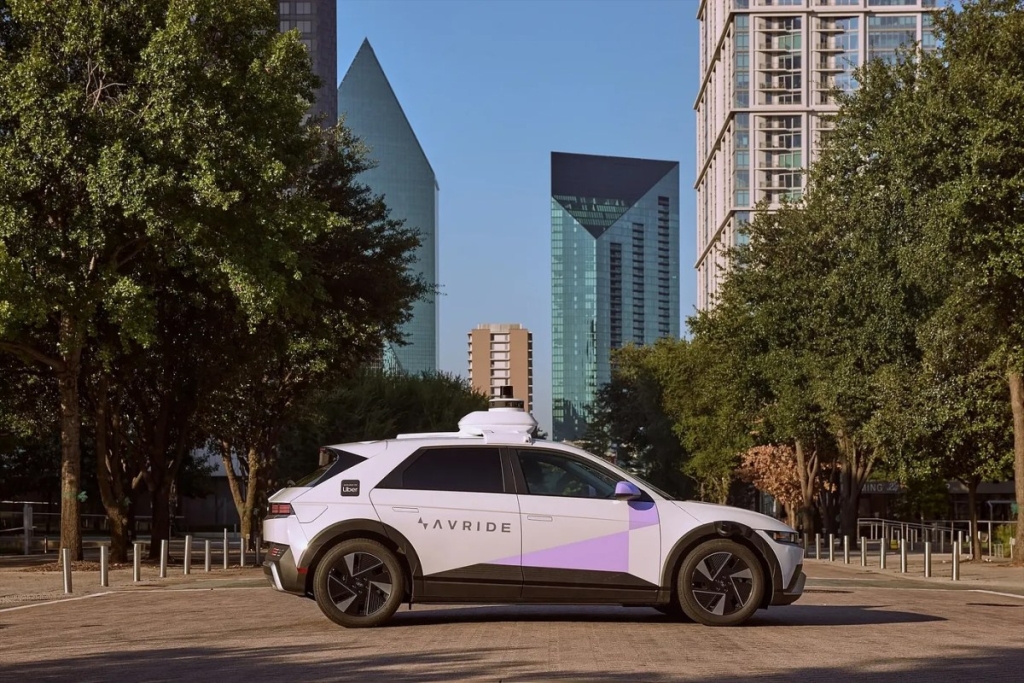
A Duck’s Death Sparks Controversy: Autonomous Vehicles Under Fire in Austin
In a bizarre and heartbreaking incident that has sent shockwaves through the tech world, an autonomous vehicle has been accused of running over and killing a beloved duck in the Austin, Texas neighborhood of Mueller Lake. The incident, which occurred last week, has ignited a fierce debate about the safety and ethics of self-driving technology, with local residents and tech enthusiasts alike weighing in on the controversial topic.
The unfortunate victim was a duck that had become something of a local celebrity in Mueller Lake. Known for its friendly demeanor and regular appearances near a popular Italian restaurant, the duck had captured the hearts of many in the community. It was nesting in a pot outside the eatery when tragedy struck.
According to a post in a Mueller neighborhood Facebook group, an Avride autonomous vehicle, operated by a human safety driver, struck the duck and failed to stop. The post, which quickly went viral, claimed that the vehicle “didn’t slow down or hesitate at all, just steamrolled through.” Local media outlets, including KXAN, picked up on the story, bringing national attention to the incident.
The death of this particular duck has struck a chord with residents, many of whom had grown fond of the feathered local. This emotional connection has amplified the outrage and mistrust surrounding autonomous vehicle technology. Adding to the community’s distress, the duck’s eggs were also in danger. However, in a heartwarming turn of events, local residents have taken it upon themselves to care for the eggs, placing them in an incubator in hopes of saving the unhatched ducklings.
Avride, the company behind the autonomous vehicle, has confirmed that the car was indeed in autonomous mode at the time of the incident. However, they maintain that the vehicle’s actions were in line with its programming and safety protocols. The company has not suspended its testing on public roads entirely but has made adjustments to its operational area, excluding certain streets around Mueller Lake where the incident occurred.
In response to the incident, Avride has conducted a thorough review of the vehicle’s data and behavior. The company has even recreated the scene multiple times in simulation to better understand what happened. Yulia Shveyko, an Avride spokesperson, stated that the team is now evaluating potential improvements to the technology to help avoid similar situations in the future. This includes running a series of controlled experiments in simulation to ensure that any changes do not negatively impact the vehicle’s safety performance in other scenarios.
Interestingly, the resident who posted about the incident also claimed that the autonomous vehicle failed to stop at a stop sign. However, Avride disputes this claim, stating that they found no evidence to support it. According to the company, the vehicle came to complete and appropriate stops at all relevant stop signs.
This incident has reignited discussions about the readiness of autonomous vehicle technology for widespread deployment. While proponents argue that self-driving cars have the potential to significantly reduce accidents caused by human error, critics point to incidents like this as evidence that the technology is not yet mature enough for public roads.
It’s worth noting that Avride is not the only company testing or commercially deploying autonomous vehicles in Austin. Other major players in the self-driving car industry, including Zoox, Tesla, and Waymo (in partnership with Uber), also operate in the city. This raises questions about the consistency of safety protocols across different autonomous vehicle platforms and the potential for similar incidents to occur with other companies’ vehicles.
The incident has also sparked a broader conversation about the ethical implications of autonomous vehicles. As these cars become more prevalent on our roads, how should they be programmed to respond in situations where harm is unavoidable? Should they prioritize the safety of their passengers, pedestrians, or animals? These are complex questions that society will need to grapple with as this technology continues to evolve.
As the debate rages on, one thing is clear: the death of this duck has become a symbol for many of the potential pitfalls of autonomous vehicle technology. Whether this incident will lead to meaningful changes in how these vehicles are developed and deployed remains to be seen. What is certain, however, is that the tech industry, regulators, and the public at large will be watching closely as companies like Avride continue to push the boundaries of what’s possible in the world of self-driving cars.
In the meantime, the residents of Mueller Lake continue to mourn the loss of their feathered friend while holding out hope for the duck’s soon-to-be-born ducklings. As for Avride and other autonomous vehicle companies, they face the challenge of convincing a skeptical public that their technology can coexist safely with both humans and animals in our increasingly complex urban environments.
This incident serves as a poignant reminder that as we race towards a future filled with autonomous vehicles, we must not lose sight of the potential consequences – both intended and unintended – of this revolutionary technology. The road ahead may be paved with good intentions, but as this duck’s untimely demise has shown us, it’s not without its obstacles and ethical quandaries.
Tags and Viral Phrases:
- Duck vs. Robot: The Battle for Mueller Lake
- Autonomous vehicle ethics under scrutiny
- When AI meets wildlife: A cautionary tale
- The duck that stopped a tech revolution
- Self-driving cars: Savior or threat to local fauna?
- From Silicon Valley to the duck pond: The unexpected challenges of AI
- The quacking point: How one duck’s death could change the future of autonomous vehicles
- Feathers vs. Fenders: The great autonomous vehicle debate
- When technology goes fowl: The Mueller Lake incident
- The duck heard ’round the world: How local wildlife is shaping the future of tech
- AI’s Achilles heel: Why self-driving cars still have a lot to learn from Mother Nature
- The unintended consequences of innovation: A duck’s perspective
- From Silicon Valley to the duck pond: The unexpected challenges of AI
- The great duck debate: Ethics, technology, and the future of our roads
- When algorithms go awry: The Mueller Lake incident and the limits of AI
- The duck that launched a thousand think pieces: How one incident is shaping the conversation on autonomous vehicles
- Feathers, fur, and the future: How wildlife is challenging the autonomous vehicle industry
- The duck that dared to cross the road: How one bird’s misfortune is changing the tech landscape
- From Silicon Valley to the duck pond: The unexpected challenges of AI
- The quacking question: Are autonomous vehicles ready for the real world?
,


Leave a Reply
Want to join the discussion?Feel free to contribute!