
Will Intel’s Core 3 Replicate the N100’s Budget Mini-PC Success?
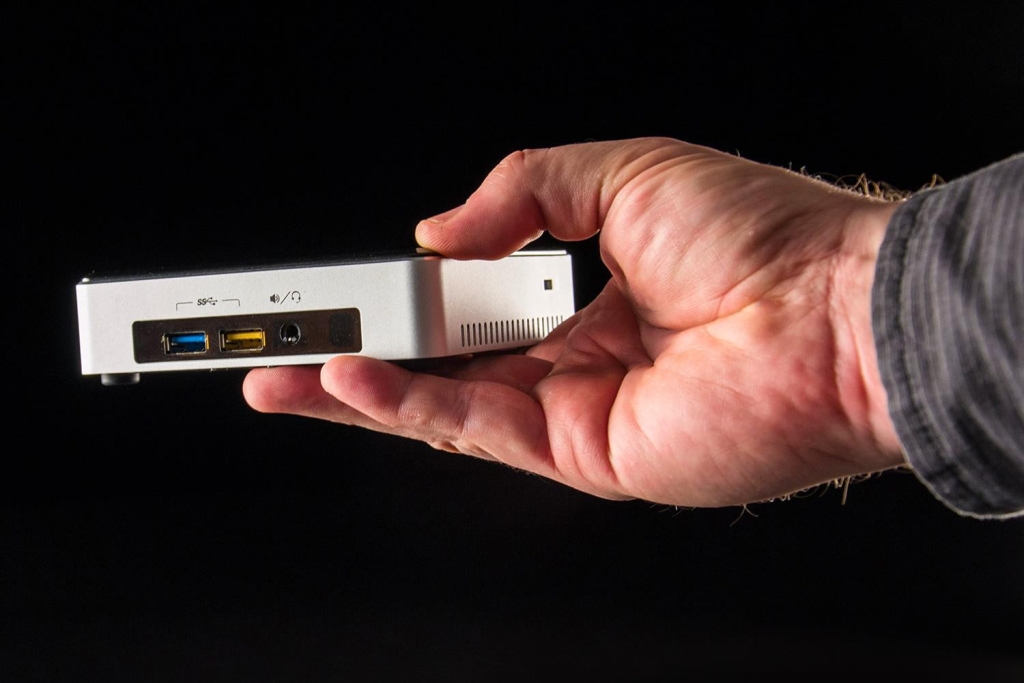
Intel’s Core 3 (Wildcat Lake) Chips: The Next Budget Computing Champion or Just Another Contender?
In the ever-evolving landscape of budget computing, Intel has just dropped a bombshell that’s sending ripples through the tech community: the upcoming Core 3 (Wildcat Lake) chips, poised to replace the wildly popular Intel N100. But here’s the million-dollar question—can these new chips truly capture the magic that made their predecessor the darling of home servers, Proxmox enthusiasts, and mini-PC aficionados worldwide?
The N100’s Unexpected Reign
Let’s rewind to CES 2025, where Intel strategically chose to spotlight its premium “Panther Lake” offerings rather than its budget lineup. The company’s decision to keep the Core 3 under wraps wasn’t accidental—it was calculated. After all, why would Intel want to draw attention to “good enough” chips when they could be pushing their flagship, high-margin products?
The N100’s journey to stardom was nothing short of serendipitous. Originally designed for budget education laptops, this unassuming chip found itself thrust into the spotlight, becoming the unexpected hero of the low-cost computing revolution. Its appeal wasn’t just about performance—it was about delivering exceptional value that resonated with cost-conscious consumers and professionals alike.
Core 3: Breaking Down the Technical Marvel
Architectural Evolution
The Intel Core 3 represents a significant leap forward from its predecessor. While the N100 relied on an efficiency-core-only design, the Core 3 introduces a hybrid architecture that pairs two high-performance cores with four efficiency cores. This six-core configuration promises to address one of the N100’s most significant limitations: single-thread responsiveness.
Manufacturing Innovation
Perhaps the most intriguing aspect of the Core 3 is its fabrication process. Intel is building these chips on its cutting-edge 18A process node (1.8nm)—an unusual choice for budget processors. This decision isn’t just about bragging rights; it’s about leveraging advanced manufacturing techniques to solve real-world problems.
The 18A process offers substantial improvements in power routing through the wafer, potentially resolving the thermal throttling issues that have plagued the N100 in fanless configurations. For mini-PC enthusiasts and laptop users who demand silent operation, this could be a game-changer.
Memory and Graphics Enhancements
Memory bandwidth has always been a bottleneck for budget processors, and Intel seems determined to address this with the Core 3. While the N100 was limited to single-channel LPDDR5-4800 memory, the Core 3 bumps this up to LPDDR5X-6800. This upgrade isn’t just a spec sheet improvement—it translates to tangible performance gains in memory-intensive tasks and better utilization of the integrated Xe3 graphics.
Speaking of graphics, the Core 3’s integrated GPU represents another significant upgrade. The Xe3 graphics should provide better performance for everyday computing tasks, light gaming, and multimedia consumption.
AI Capabilities: A Double-Edged Sword
Intel is touting an impressive 40 TOPS (trillion operations per second) for AI workloads on the Core 3, though this figure combines CPU, GPU, and NPU performance. The NPU itself delivers 18 TOPS, which falls short of Microsoft’s 40-NPU-TOPS requirement for “Copilot+” status.
For Linux users and those skeptical of AI’s encroachment into everyday computing, this might not be a significant concern. However, it’s worth noting that Linux support for Wildcat Lake is already progressing rapidly, with kernel 6.18 including support, Mesa 25.3 handling Xe3 graphics, and GCC 16 providing optimized binaries.
The Price Factor: Where the Rubber Meets the Road
Here’s where things get interesting—and potentially problematic for Intel. The N100’s success wasn’t primarily about raw performance; it was about delivering exceptional value. The chip became popular not because it was the fastest option available, but because it offered the best performance-per-dollar ratio in its category.
Consider the Radxa X4 single-board computer, powered by an N100 and available for as low as $60. This wasn’t just a cheap board; it was a full-fledged Intel PC capable of running standard x86 software without ARM compatibility headaches. Try convincing someone a decade ago that you could get a capable Intel PC for $60!
The N100’s pricing strategy made it competitive even against ARM alternatives like the Raspberry Pi. A fully tricked-out N100 mini-PC often came in cheaper than a mid-tier Raspberry Pi 5, making it an attractive option for hobbyists, educators, and professionals alike.
The Challenge Ahead
Intel faces a delicate balancing act with the Core 3. The chip undoubtedly offers superior specifications on paper, but specifications alone don’t win markets—value does. The company needs to price the Core 3 aggressively enough to maintain the value proposition that made the N100 so successful.
As of now, Intel hasn’t revealed pricing for the Core 3 chips, only vaguely stating that they “look cost-effective” according to industry analysts. The release timeline is equally nebulous, with Intel suggesting that Wildcat Lake devices are “expected” sometime during 2026.
Linux Support: A Critical Advantage
One area where Intel seems to be getting things right is Linux support. The rapid development of kernel support, graphics drivers, and compiler optimizations suggests that the Core 3 will be well-supported in the Linux ecosystem from day one. This is crucial for the DIY community, Proxmox users, and anyone looking to build custom solutions.
The ongoing development of NPU support in Linux also indicates that Intel is serious about providing comprehensive support for all of the Core 3’s features, even those that might not be immediately relevant to all users.
The Verdict: Potential Meets Uncertainty
The Intel Core 3 (Wildcat Lake) chips represent a significant technical advancement over the N100, addressing many of its limitations while introducing new capabilities. The hybrid architecture, improved manufacturing process, enhanced memory support, and better graphics all point to a chip that could genuinely outperform its predecessor.
However, the ultimate success of the Core 3 will depend on pricing and real-world performance. If Intel can maintain the value proposition that made the N100 so successful while delivering the performance improvements promised by the Core 3’s specifications, we could be looking at the next budget computing champion.
But if the Core 3 comes with a significant price premium or fails to deliver on its performance promises in real-world scenarios, it risks falling into the trap that has ensnared so many follow-up products: being a technical improvement that fails to capture the magic of its predecessor.
The next few months will be crucial as more details emerge about pricing, availability, and real-world performance. One thing is certain: the budget computing landscape is about to get a lot more interesting.
Tags: Intel Core 3, Wildcat Lake, budget computing, N100 successor, hybrid architecture, 18A process, LPDDR5X memory, Xe3 graphics, Linux support, mini-PC, home server, Proxmox, single-board computer, value computing, performance-per-dollar, AI capabilities, NPU, thermal management
Viral Phrases: “The N100’s unexpected reign,” “budget computing champion,” “technical marvel,” “value proposition,” “real-world performance,” “DIY community,” “cost-conscious consumers,” “performance-per-dollar ratio,” “next budget computing champion,” “technical improvement,” “magic of its predecessor,” “budget computing landscape,” “game-changer,” “million-dollar question,” “sending ripples through the tech community,” “delicate balancing act,” “crucial advantage,” “potential meets uncertainty”
,

Leave a Reply
Want to join the discussion?Feel free to contribute!