
The Brain May Be Wired for Drinking Before the First Sip
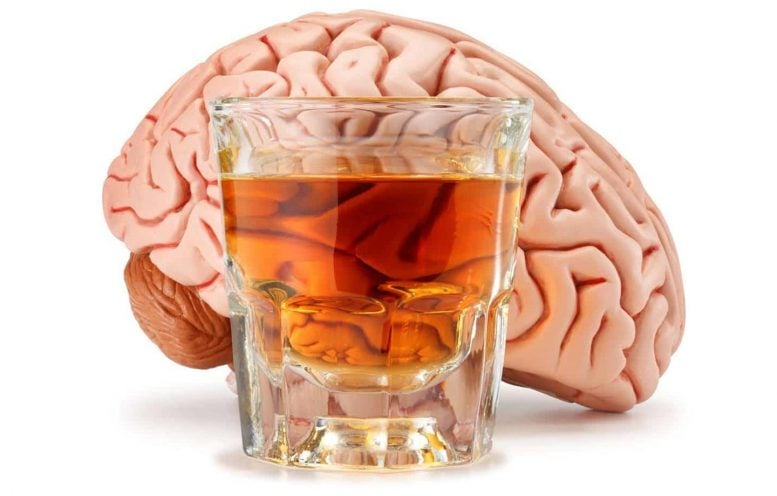
A new study published today in JNeurosci suggests that the brain’s relationship with alcohol may begin long before the first sip. According to the research, prenatal exposure to alcohol and stress could quietly shape neural circuits in ways that influence drinking behavior decades later. The work, led by Mary Schneider and Alexander Converse at the University of Minnesota, offers a striking look at how early-life conditions may hardwire vulnerability to risky alcohol use.
The team used a rat model to examine the long-term effects of fetal alcohol exposure. Pregnant rats were exposed to either alcohol, stress, or both during gestation. Once the offspring reached adulthood, the researchers assessed their drinking behaviors and brain activity. The results were striking: rats exposed to alcohol in the womb showed increased preference for alcohol in adulthood, even when they had never consumed it themselves before. This suggests that the brain’s reward and stress systems may be altered in ways that predispose individuals to alcohol use—long before they ever encounter it directly.
Brain imaging revealed that prenatal alcohol exposure disrupted the function of the hippocampus, a region crucial for memory and emotional regulation. The disruption was particularly pronounced in rats that also experienced prenatal stress, pointing to a compounding effect. These changes in brain activity were associated with altered responses to stress and a heightened drive to seek alcohol when faced with challenging situations.
What makes this study especially significant is its implication that the roots of alcohol use disorder may lie in the earliest stages of brain development. While much research has focused on environmental and social factors in adulthood, this work highlights how prenatal conditions—often beyond an individual’s control—can set the stage for future vulnerability.
The findings also raise important questions about public health and prevention. If early-life exposure can shape the brain’s response to alcohol, then efforts to reduce prenatal alcohol exposure could have long-lasting benefits. The researchers emphasize that this is not about assigning blame, but about understanding the biological pathways that contribute to addiction risk.
The study adds to a growing body of evidence that the origins of many mental health and substance use disorders can be traced back to the womb. It also underscores the importance of supporting maternal health and reducing stress during pregnancy—not just for the immediate wellbeing of the child, but for their long-term resilience.
As the science of early-life influences on the brain continues to advance, studies like this one remind us that the story of addiction is often written long before the first drink. And while the brain may be wired for drinking before the first sip, understanding these early influences could help rewrite the ending.
Alcohol #BrainDevelopment #FetalAlcoholExposure #Neuroscience #Addiction #PrenatalHealth #Stress #JNeurosci #MentalHealth #PublicHealth #BrainWiring #EarlyLifeInfluences #AlcoholUseDisorder #MaternalHealth #BrainScience #Research #ScienceNews #HealthNews #ViralScience #Neurobiology
,


Leave a Reply
Want to join the discussion?Feel free to contribute!