
F1 moves a step closer to fixing its 2026 hybrid problem
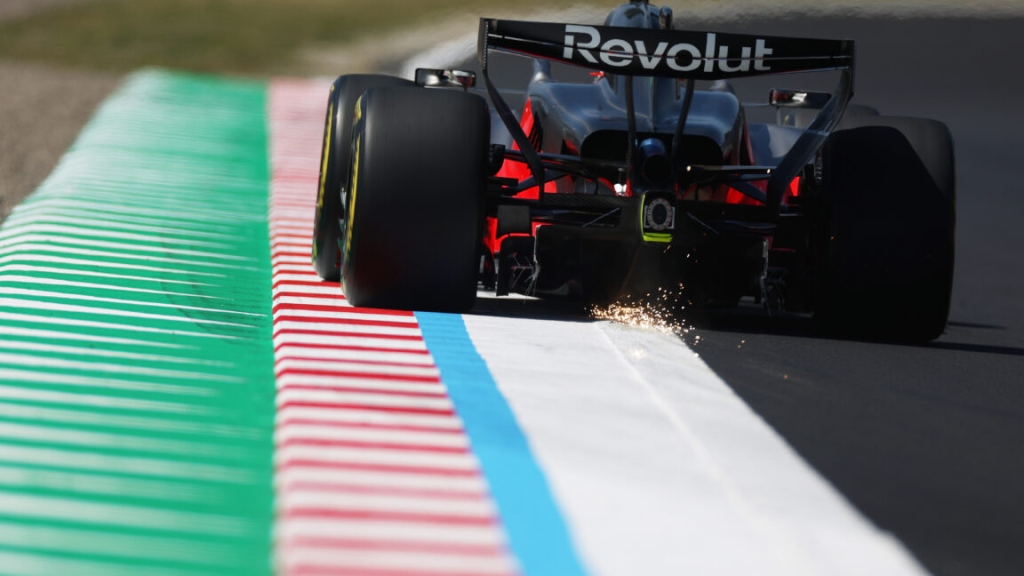
Formula 1’s 2026 Power Units Are Making the Sport Boring, and Nobody Knows How to Fix It
The 2026 Formula 1 season was supposed to be a revolution—a bold new era designed to lure more automakers into the sport with cutting-edge hybrid technology and a greener image. Instead, the cars are delivering a spectacle that’s leaving fans and drivers alike wondering if the soul of F1 has been sacrificed at the altar of efficiency.
At the heart of the problem is the sport’s new power unit formula, which blends a 1.6-liter V6 internal combustion engine with a sophisticated hybrid system. Under the new rules, these cars can produce up to 1,005 horsepower (750 kW) when everything is firing on all cylinders. But here’s the catch: they can’t sustain that kind of power output for long.
During a typical lap, the hybrid system constantly juggles energy between the battery and the wheels. When a driver lifts off the throttle or coasts into a corner, the car’s “brain” tells the V6 to keep revving, siphoning up to 350 kW back into the battery. But there’s another, more controversial trick in the playbook: “super clipping.”
Super clipping happens when the driver’s foot is still flat on the throttle, yet the system decides to divert a massive chunk of power to recharge the battery instead of sending it to the rear wheels. With the V6 capped at 400 kW and super clipping limited to 200 kW, that leaves only 200 kW (about 268 horsepower) to actually push the car forward. So, depending on what the software decides, an F1 car might have 750 kW, 400 kW, or just 200 kW at any given moment.
And here’s where it gets really weird: the 20 cars on track aren’t doing this in any coordinated way. The software that governs these hybrid systems is notoriously unpredictable, deciding on its own when to initiate super clipping, when to ramp up or down power from the Motor Generator Unit (MGU), and how much energy it thinks it will need for the rest of the lap. It’s like watching 20 different chess games being played simultaneously, with the pieces moving according to an algorithm only the cars understand.
The new engine regulations were crafted to make F1 more attractive to automakers, back before the industry’s sudden pivot away from EVs. The strategy worked—Audi, Cadillac, and Honda all signed on to join Ferrari and Mercedes for the 2026 season. But the unintended consequence is that the cars are now “energy-starved” during a lap, especially in qualifying, where drivers are pushing the car to its absolute limit.
This was painfully obvious at the Japanese Grand Prix in Suzuka, where fans watched in disbelief as cars lifted and coasted through the legendary 130R corner—one of the fastest and most iconic turns in motorsport. Instead of attacking the corner flat out, drivers were forced to lift off the throttle to conserve energy, neutering one of F1’s most thrilling moments. The result? Lap times that are shorter overall, but a spectacle that feels hollow.
During a race, lift and coast is already a common tactic in other series like IndyCar and endurance racing, so it’s not as big of a deal. But in qualifying, where every millisecond counts and drivers are supposed to be pushing the absolute limit, it’s a different story. McLaren’s Lando Norris called the experience “soul destroying,” and he’s not alone. Virtually every fan and insider this author has spoken to shares the same sentiment: something is broken.
The irony is that F1’s push for efficiency and sustainability has made the racing less exciting, not more. The sport is caught between its desire to be at the cutting edge of automotive technology and its need to deliver the kind of visceral, edge-of-your-seat action that has defined it for decades. Right now, it’s struggling to balance both.
So, what’s the solution? So far, nobody seems to have a clear answer. The hybrid systems are here to stay, and the new manufacturers have invested too much to walk away. But unless F1 can find a way to make these power units deliver consistent, predictable performance—without neutering the sport’s most iconic moments—the 2026 season risks becoming a cautionary tale about the dangers of over-engineering the spectacle out of sport.
As the teams head into the next race, all eyes will be on how they adapt to these new challenges. Will they find a way to make the hybrid systems work for the show, or will F1’s quest for efficiency continue to sap the excitement from the world’s premier motorsport? One thing is certain: the fans are watching, and they’re not happy.
Tags: F1, Formula 1, 2026, power units, hybrid, super clipping, lift and coast, Suzuka, 130R, Lando Norris, Audi, Cadillac, Honda, Ferrari, Mercedes, motorsport, racing, efficiency, sustainability, qualifying, energy management, automotive technology
Viral Phrases:
- “soul destroying”
- “energy-starved”
- “the cars are energy-starved during a lap”
- “neutered all of F1’s fast corners”
- “the software that governs the hybrid systems is capricious”
- “the cars lifting and coasting through the 130R corner”
- “watching 20 different chess games being played simultaneously”
- “the sport’s most iconic moments”
- “over-engineering the spectacle out of sport”
- “a cautionary tale”
- “the quest for efficiency continue to sap the excitement”
- “the fans are watching, and they’re not happy”
,


Leave a Reply
Want to join the discussion?Feel free to contribute!