
Tweaking the smell of cat food can encourage fussy felines to eat
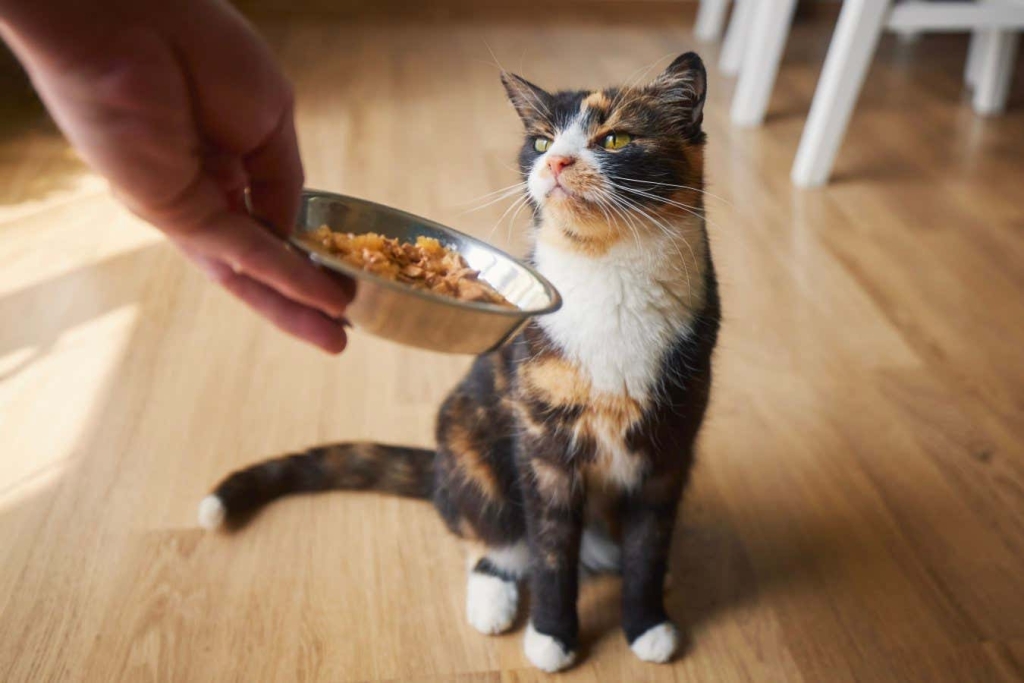
Feline Finickiness Solved? Scientists Discover Cats’ Appetite is Driven by Smell, Not Taste
In a breakthrough that’s got cat owners everywhere saying “finally, some answers,” researchers have uncovered the real reason behind our feline friends’ notoriously picky eating habits. Spoiler alert: it’s not about being spoiled—it’s about their extraordinary sense of smell.
For years, pet parents have watched in frustration as their beloved cats enthusiastically devour a new brand of kibble, only to turn up their noses at the same food days later. This baffling behavior has led many to believe cats are simply “too good” for consistent meals, but groundbreaking new research from Japan suggests the truth is far more fascinating.
A team led by Masao Miyazaki at Iwate University conducted a series of meticulous experiments with 12 cats (six males, six females, all intact) to crack the code of feline food preferences. The setup was simple yet revealing: cats were given 10-minute access to various commercial dry foods, followed by a break, then offered either the same food or something new. This cycle repeated six times over 110 minutes.
The results? Cats consistently ate less with each successive serving of the same food—but when researchers switched to a new variety, consumption nearly doubled. It wasn’t about taste at all; it was about olfactory novelty.
To confirm smell was the driving factor, the researchers got creative. They placed the same food in the upper compartment of a double-bowl setup with a perforated divider, while putting different food in the lower, inaccessible compartment. The cats could smell but not touch this hidden food. When the researchers changed the aroma in the lower compartment during the final round, the cats’ eating behavior dramatically rebounded—just from smelling something different.
“This might include adding a topper, slightly varying the food or refreshing the feeding environment,” Miyazaki explains. “Cats may not be ‘picky’ in the human sense, but instead may lose interest when the smell becomes familiar.”
The implications are massive for the $100+ billion global pet food industry. Those endless varieties of cat food on supermarket shelves? They’re not catering to feline vanity—they’re responding to a biological imperative. As Katherine Houpt from Cornell University puts it, “This phenomenon certainly accounts for the many, many cans of cat food in the supermarket.”
But here’s where it gets really interesting: this research might explain more than just mealtime drama. Scott McGrane from the Waltham Petcare Science Institute notes that “feeding different wet food flavours and also a mixed wet and dry food feeding regime can help to provide flavour variety and maintain food intake for cats.”
However, there’s a potential downside. David Thomas from Massey University suggests this olfactory-driven eating behavior could be contributing to the feline obesity epidemic. “This also partly explains why modern feeding strategies with greater variety of flavours—like variety packs of pouches—may result in weight gain in cats,” he warns.
The solution isn’t to limit variety entirely, experts say, but to manage it thoughtfully. Mikel Delgado, an independent cat behavior expert, recommends offering multiple smells and flavors while carefully monitoring overall food intake. She also emphasizes a crucial detail many owners miss: washing food bowls between meals to eliminate residual odors that could turn cats off their next serving.
For cat owners, this research is a game-changer. No more feeling guilty about “spoiling” your cat with different foods or wondering if you’ve purchased a defective bag of kibble. Your cat isn’t being difficult—they’re following their highly-evolved olfactory instincts.
The findings also raise fascinating questions about wild cats. As Houpt muses, “do cats switch from mice to birds after eating a mouse or two?” It appears our domestic felines’ food preferences may be deeply rooted in their evolutionary past, where dietary variety wasn’t just preferred—it was essential for survival.
So next time your cat turns up their nose at breakfast, remember: it’s not personal. They’re not judging your shopping choices or plotting to drive you to bankruptcy with their demands. They’re simply sophisticated creatures with a nose that knows what it wants—and what it doesn’t.
Tags: cat food preferences, feline appetite, pet nutrition, cat behavior science, picky eaters, animal psychology, pet health, obesity in cats, evolutionary biology, pet industry trends, cat feeding strategies, smell vs taste, domestic cats, animal cognition, pet care innovations
Viral Sentences: Cats aren’t picky—they’re just bored with the smell! The real reason your cat refuses food isn’t attitude, it’s biology. Science finally explains why cats need 47 different food varieties. Your cat’s nose knows: variety isn’t spoiling, it’s survival. The $100 billion question: why cats really need all those food options. Breaking: cats’ food fussiness is actually sophisticated, not spoiled. Pet food industry shaken as science reveals the truth about feline appetites. The evolutionary secret behind your cat’s mealtime drama. Why washing your cat’s bowl might be the key to ending food strikes. The surprising link between cat food variety and the feline obesity crisis.
,


Leave a Reply
Want to join the discussion?Feel free to contribute!